
Terzan 5 Observations Reveal Milky Way Bulge Evolution
New infrared data from the James Webb Space Telescope suggests a massive star cluster acts as a fossilized remnant of the early galaxy.
No. 178
Charting the observable universe — and the capital, instruments, and institutions racing to measure it.
New infrared data from the James Webb Space Telescope suggests a massive star cluster acts as a fossilized remnant of the early galaxy.

New observational data confirms the presence of spacetime vortices around merging black holes, providing a new method for testing general relativity.
New high-resolution simulations reveal that chaotic gas dynamics in the early universe led to a more diverse range of stellar masses than previously theorized.
A re-evaluation of Type Ia supernova data suggests that cosmic expansion may be decelerating, challenging the existence of dark energy.
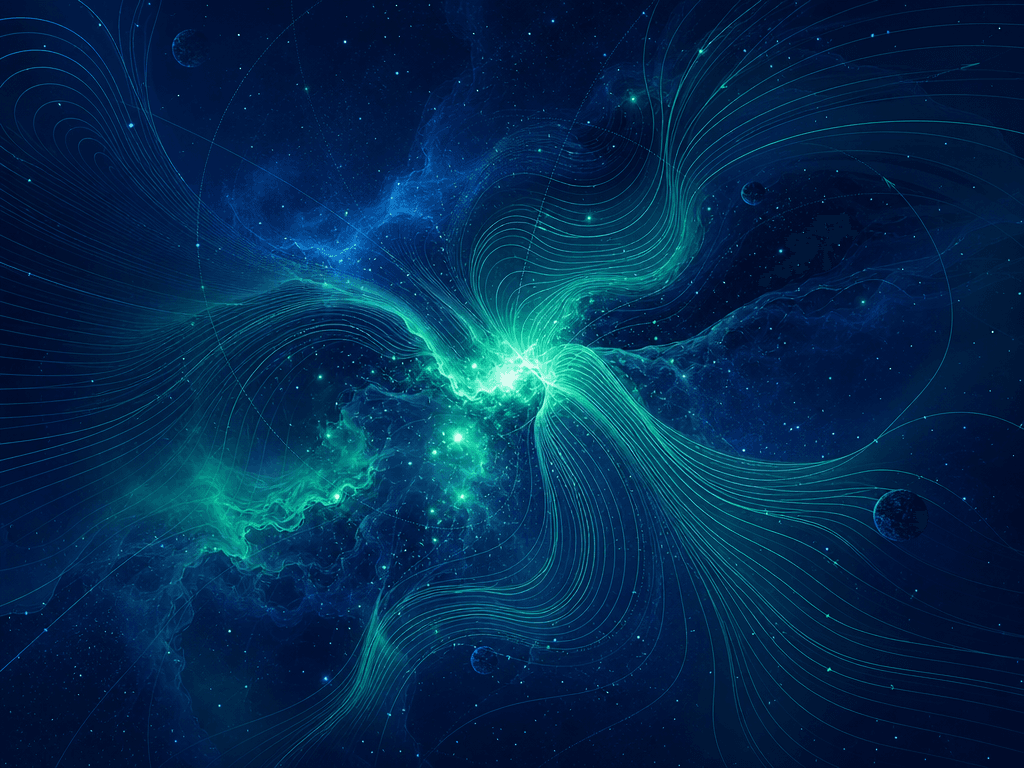
Researchers have mapped the invisible magnetic forces guiding gas into the DR21 stellar nursery, providing new insights into the formation of high-mass stars.
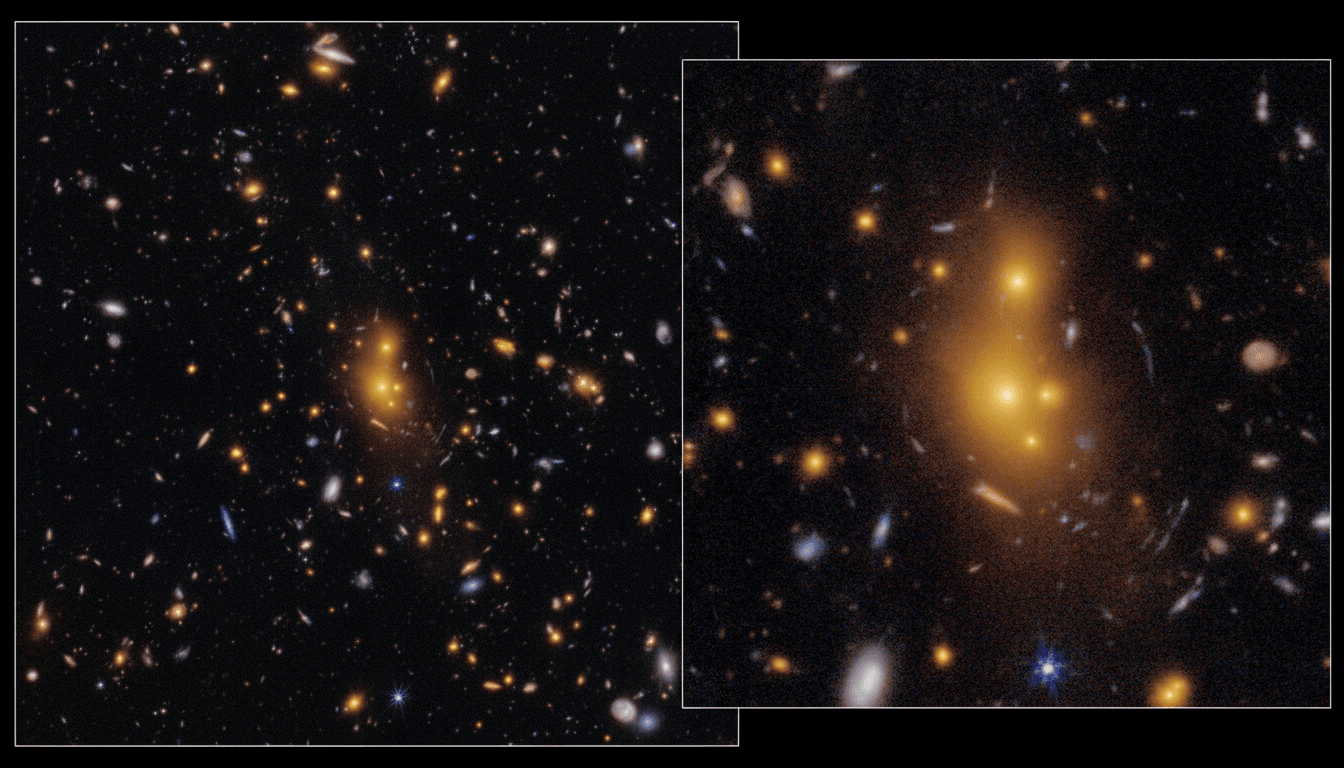
New observations from the James Webb Space Telescope reveal an unexpectedly mature galaxy cluster, forcing a reexamination of how massive structures formed in the early universe.
A collaborative international team has traced a mysterious, short-lived X-ray flash to a massive stellar explosion, providing new evidence for orphan afterglows.
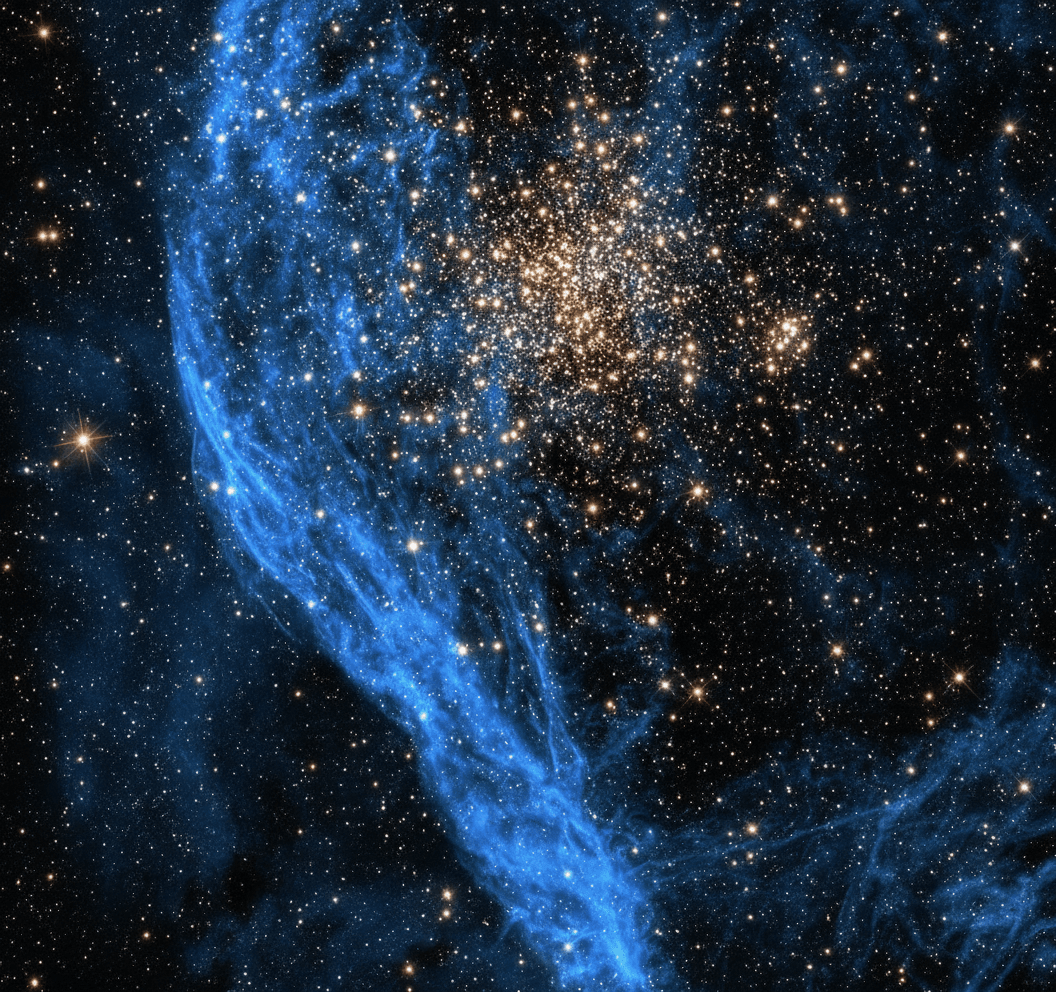
New X-ray observations of galaxy clusters align with early-universe predictions, providing a more precise understanding of the matter density and clumpiness of the cosmos.
Researchers have mapped pre-supernova pressure across 1,600 star clusters, providing a new template for understanding galaxy evolution.
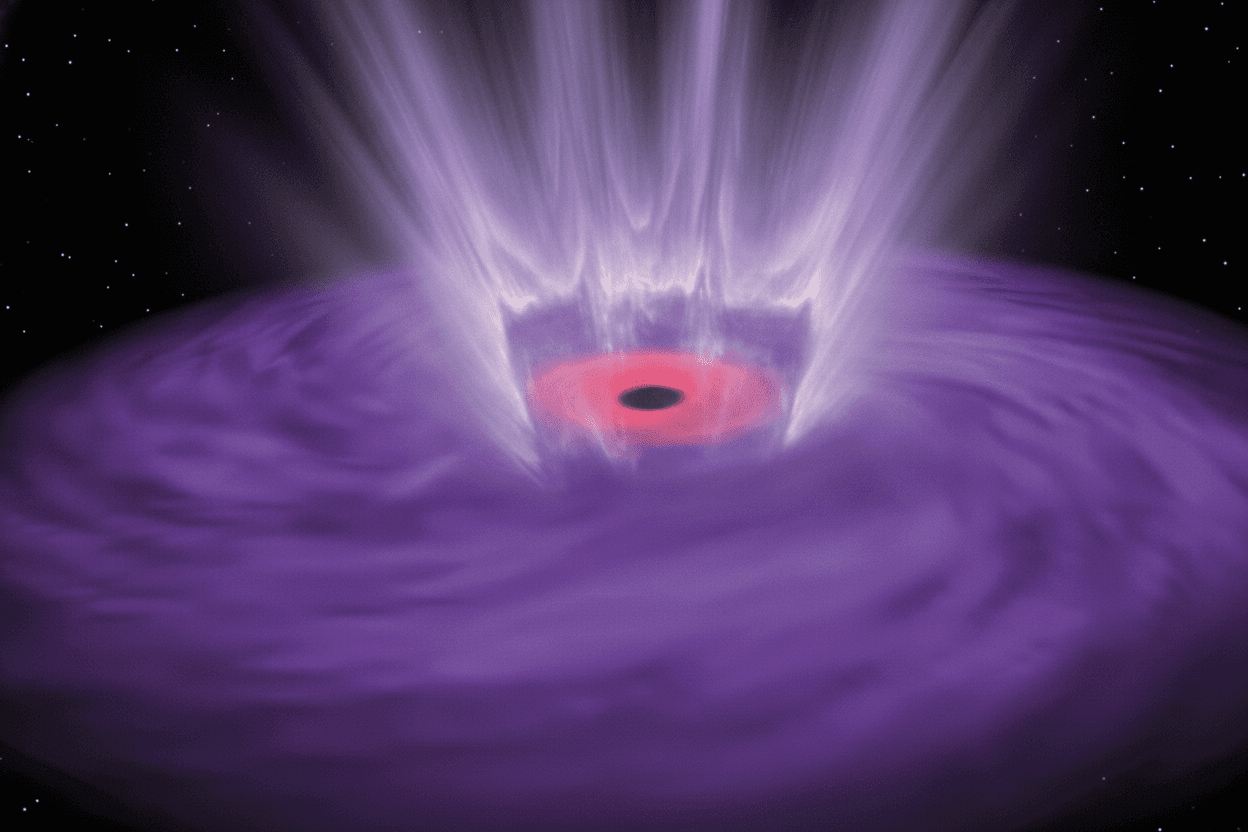
New observations of a hyper-luminous quasar reveal a complex, stratified wind structure that challenges existing models of black hole feedback.