Ancient Starlight Mystery of Theta Eridani Resolved by Orbital Mechanics
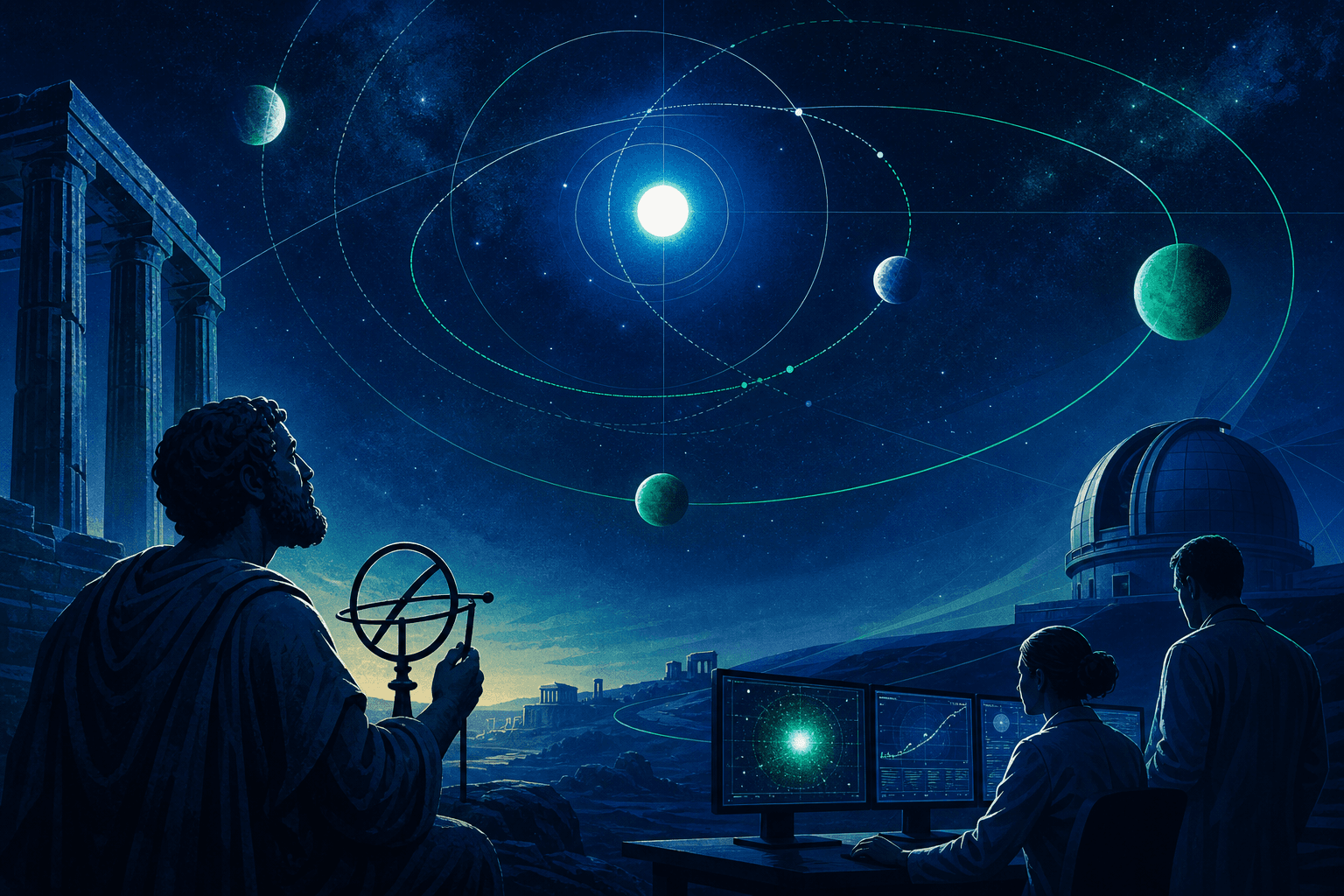
Astrophysicists have identified a millenary transient phase in a triple-star system that explains why ancient observers recorded it as one of the brightest stars in the sky.
Charting the observable universe — and the capital, instruments, and institutions racing to measure it.

Astrophysicists have identified a millenary transient phase in a triple-star system that explains why ancient observers recorded it as one of the brightest stars in the sky.

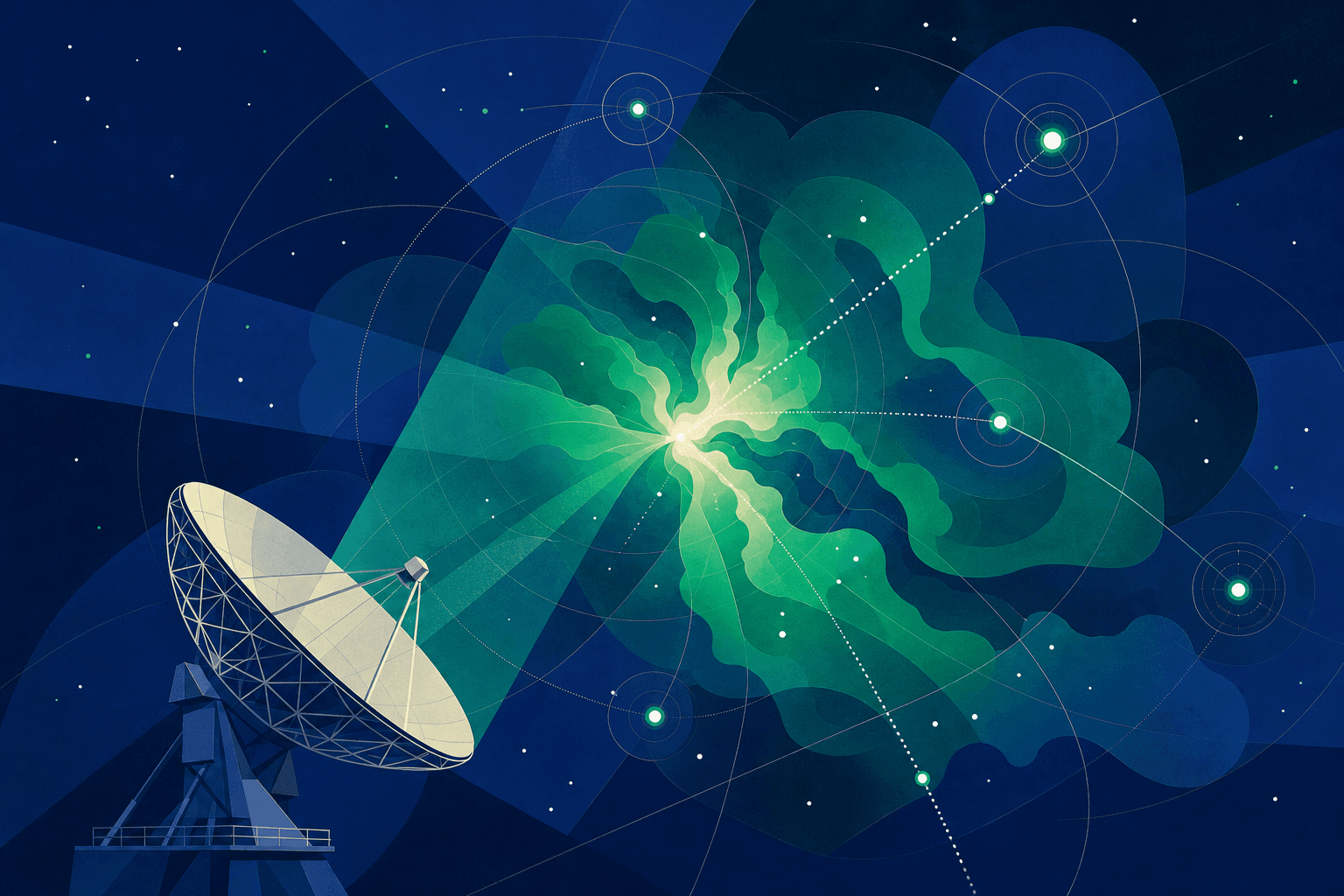
New radio telescope observations challenge the single-bubble model of stellar formation by identifying multiple distinct feedback events.

New high-resolution radio observations indicate that the Orion Nebula was shaped by multiple episodes of stellar feedback rather than a single expansion event.

Researchers have achieved a new level of precision in confirming general relativity by isolating the frame-dragging effect from complex orbital perturbations.

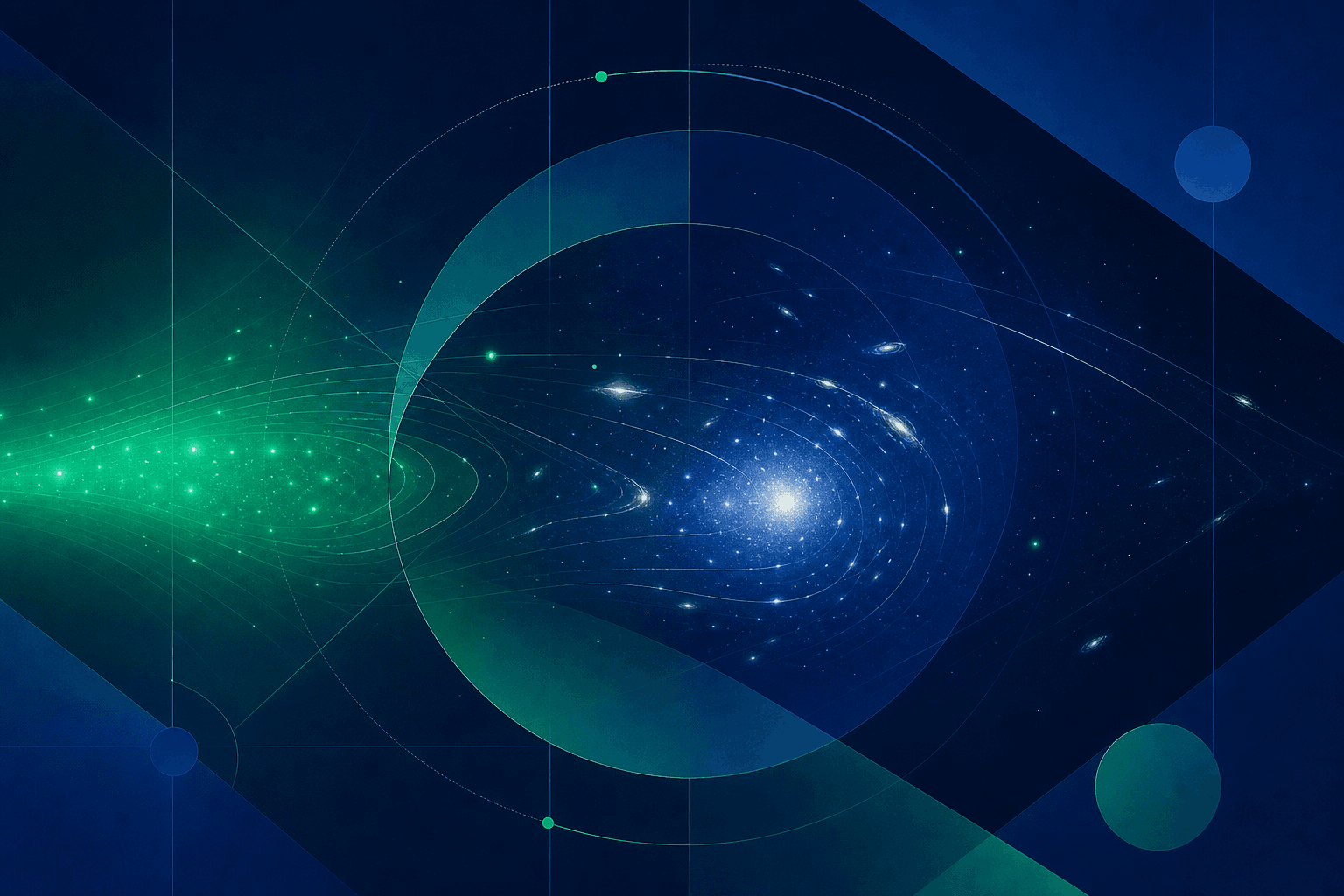
New gravitational lensing data confirms a 10:1 minor merger, aligning observational evidence with long-standing dark matter simulations.

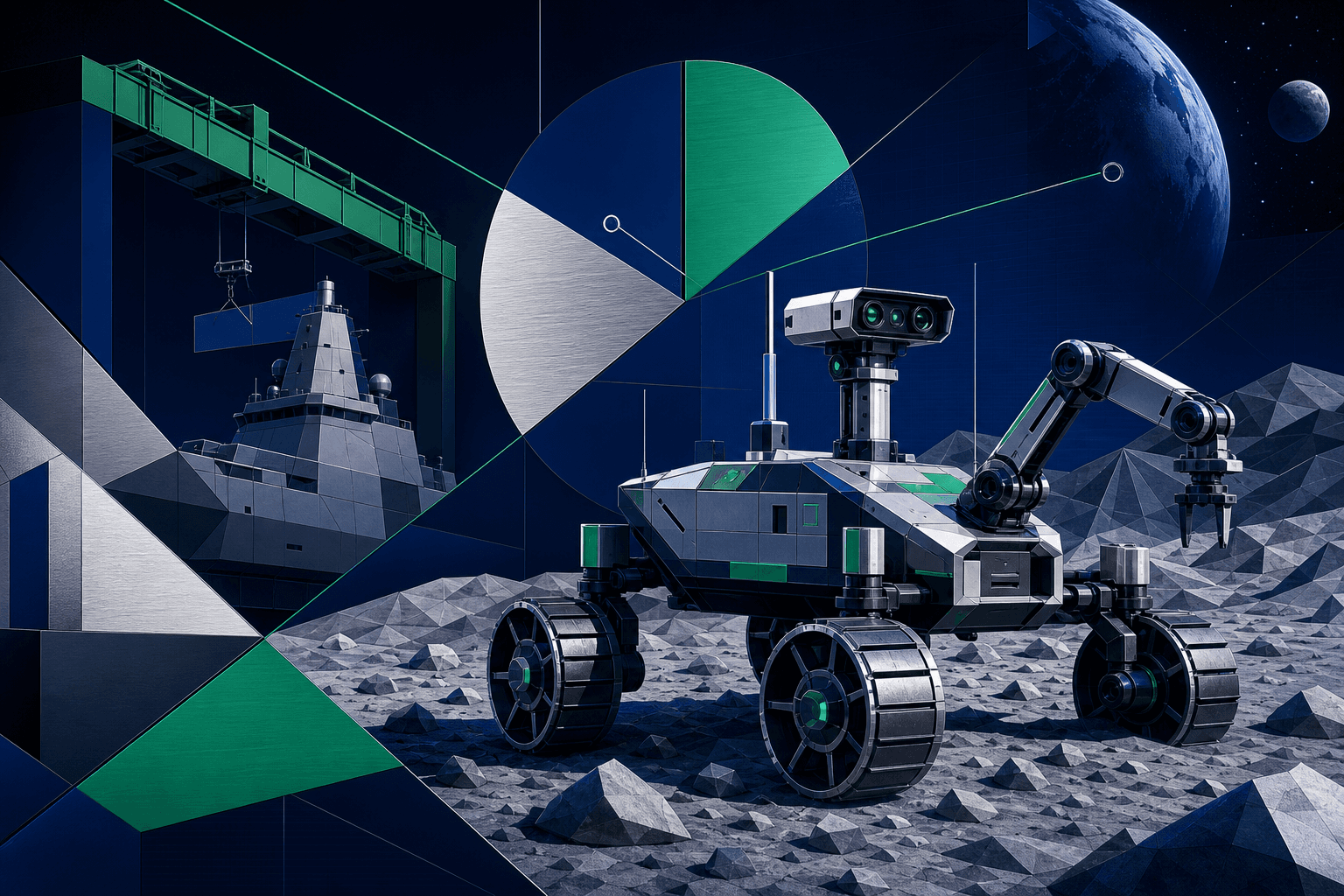
The German defense conglomerate is diversifying its autonomous systems portfolio into lunar exploration while navigating significant revenue volatility from domestic procurement shifts.

A commercial robotic spacecraft has launched to save NASA’s Swift Observatory from orbital decay, marking a milestone in space maintenance.

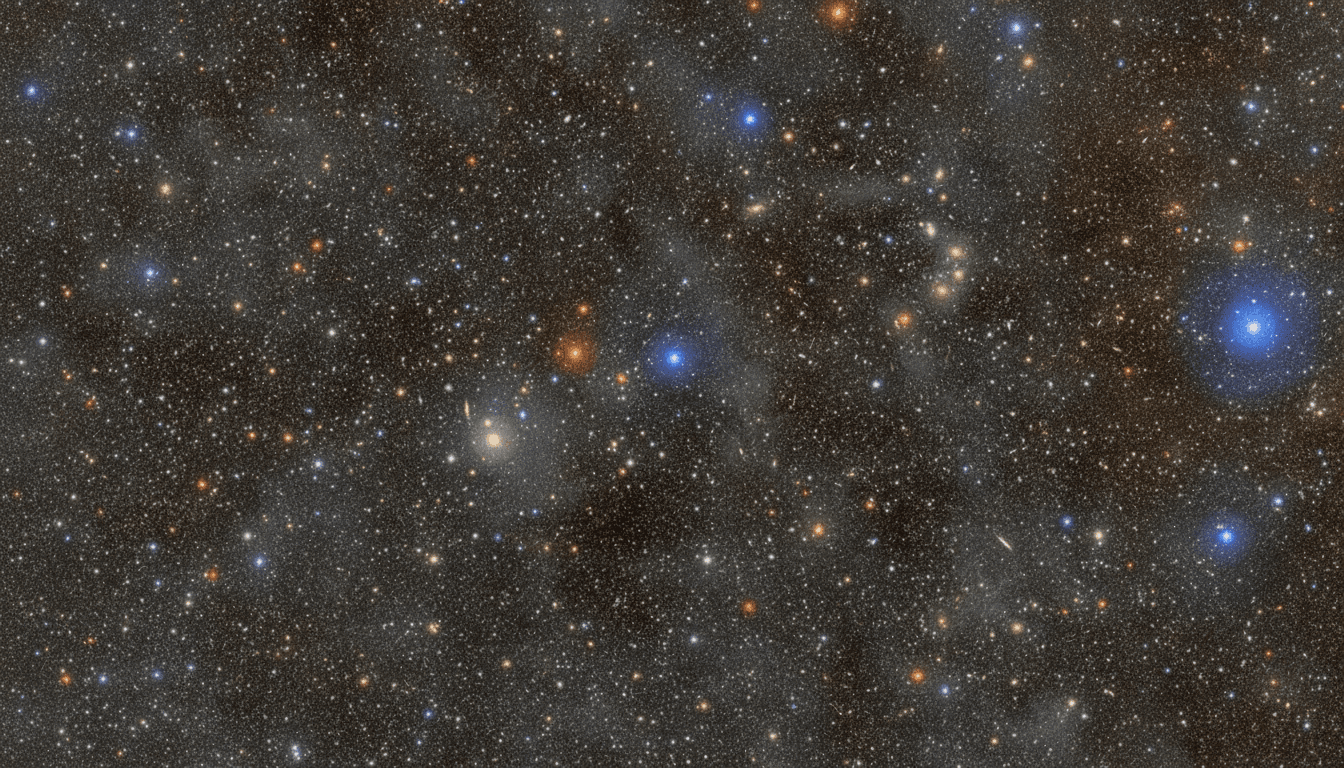
The Vera C. Rubin Observatory has officially commenced its ten-year mission to map the southern sky, leveraging advanced imaging technology to unlock cosmic mysteries.

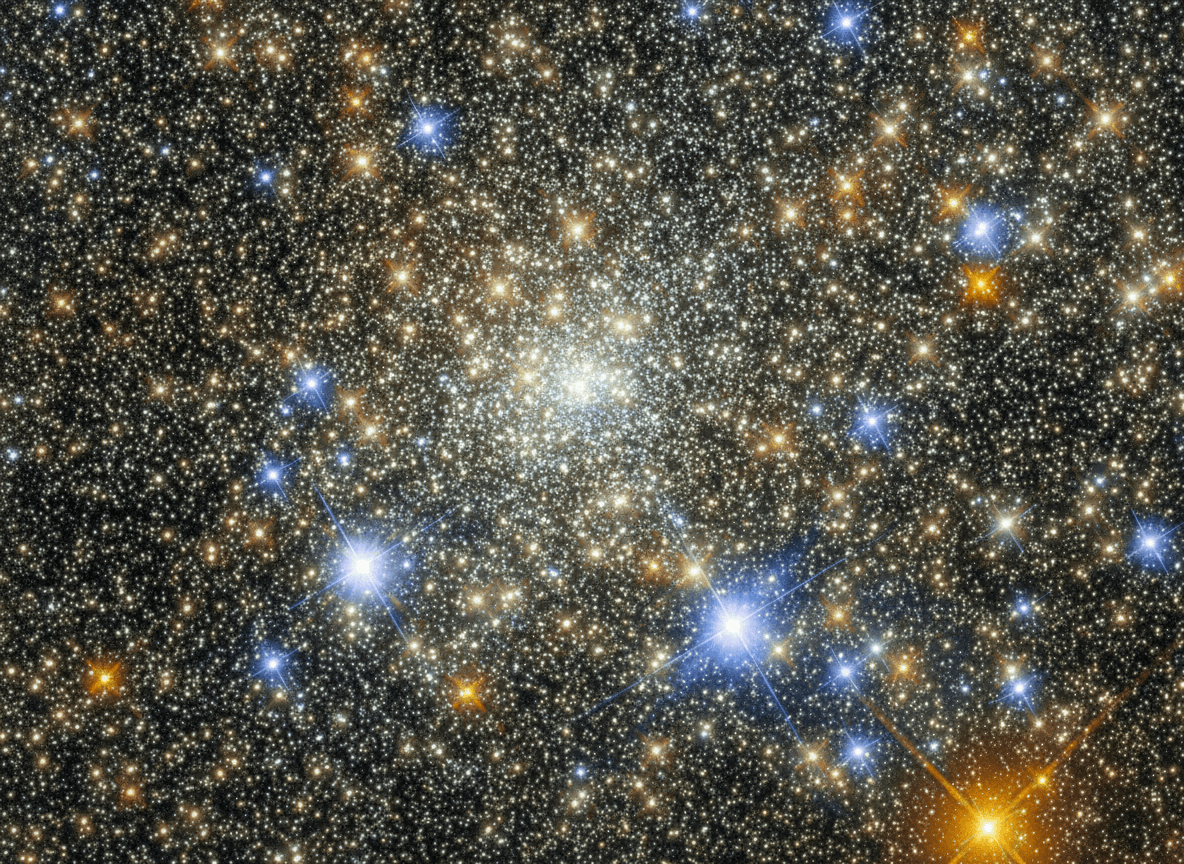
New observations from the James Webb Space Telescope reveal that the system contains four distinct stellar generations, confirming its role as a relic of galactic assembly.
The Vera C. Rubin Observatory has commenced its ten-year Legacy Survey of Space and Time, utilizing the world’s largest digital camera to map the southern sky.