Webb Telescope Reveals Hidden Giant Planet in Beta Pictoris System
Astronomers have identified a third giant planet orbiting the young star Beta Pictoris by isolating its unique atmospheric chemical signature from dense surrounding debris.
No. 204
Charting the observable universe — and the capital, instruments, and institutions racing to measure it.
Astronomers have identified a third giant planet orbiting the young star Beta Pictoris by isolating its unique atmospheric chemical signature from dense surrounding debris.
Researchers have identified a maximum entropy rule that accurately forecasts the mass and spin of remnant black holes following cosmic collisions.
New kinematic data from the James Webb Space Telescope confirms the mechanism that sustains active galactic nuclei by funneling cold gas into circumnuclear disks.
Researchers have successfully demonstrated a laboratory-based method to replicate the Penrose-Zel’dovich process, using synthetic rotation to extract energy from electromagnetic waves.
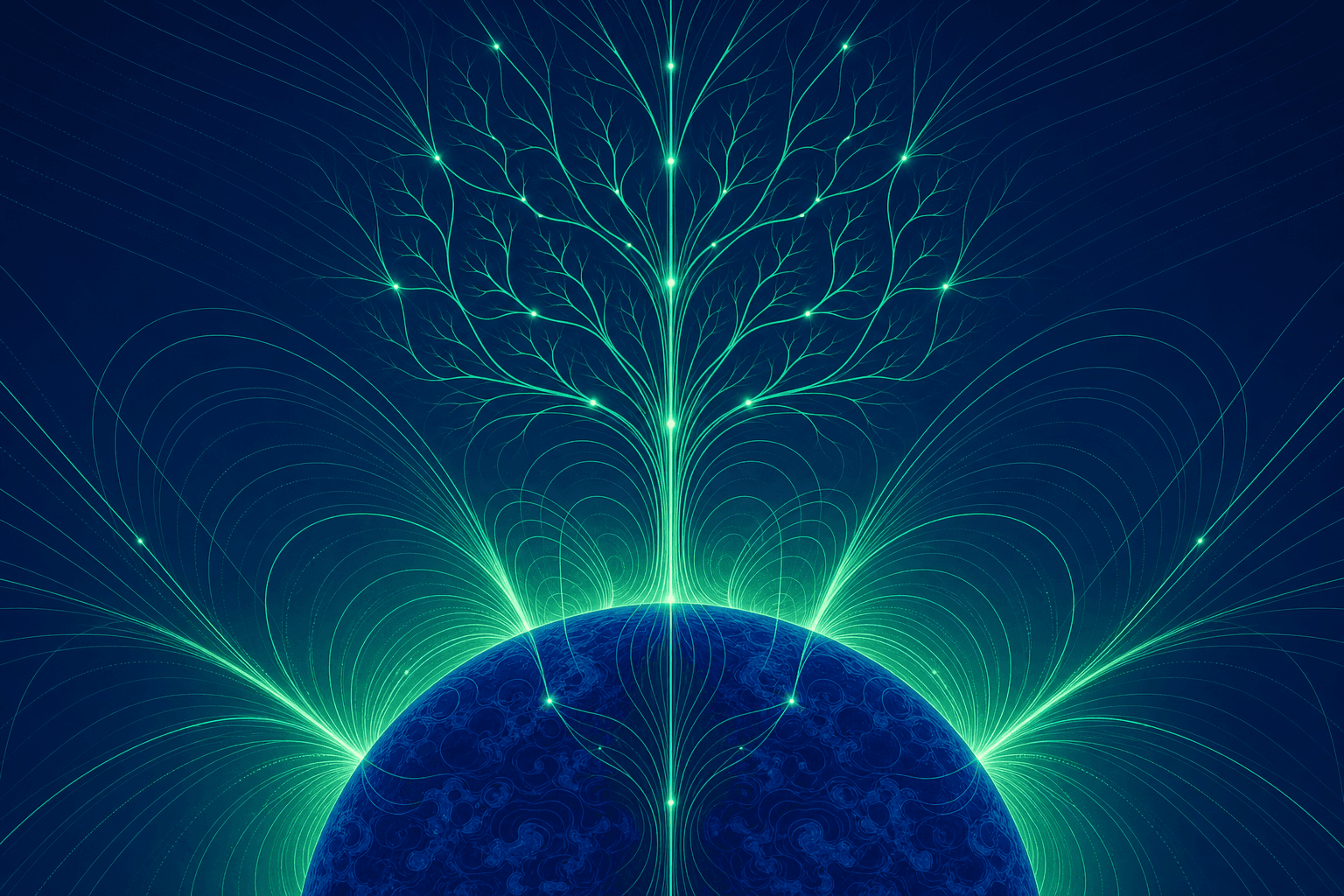
Indian researchers have identified a persistent plasma flow extending into the Sun’s upper chromosphere, confirming the long-theorised magnetic tree model of solar dynamics.
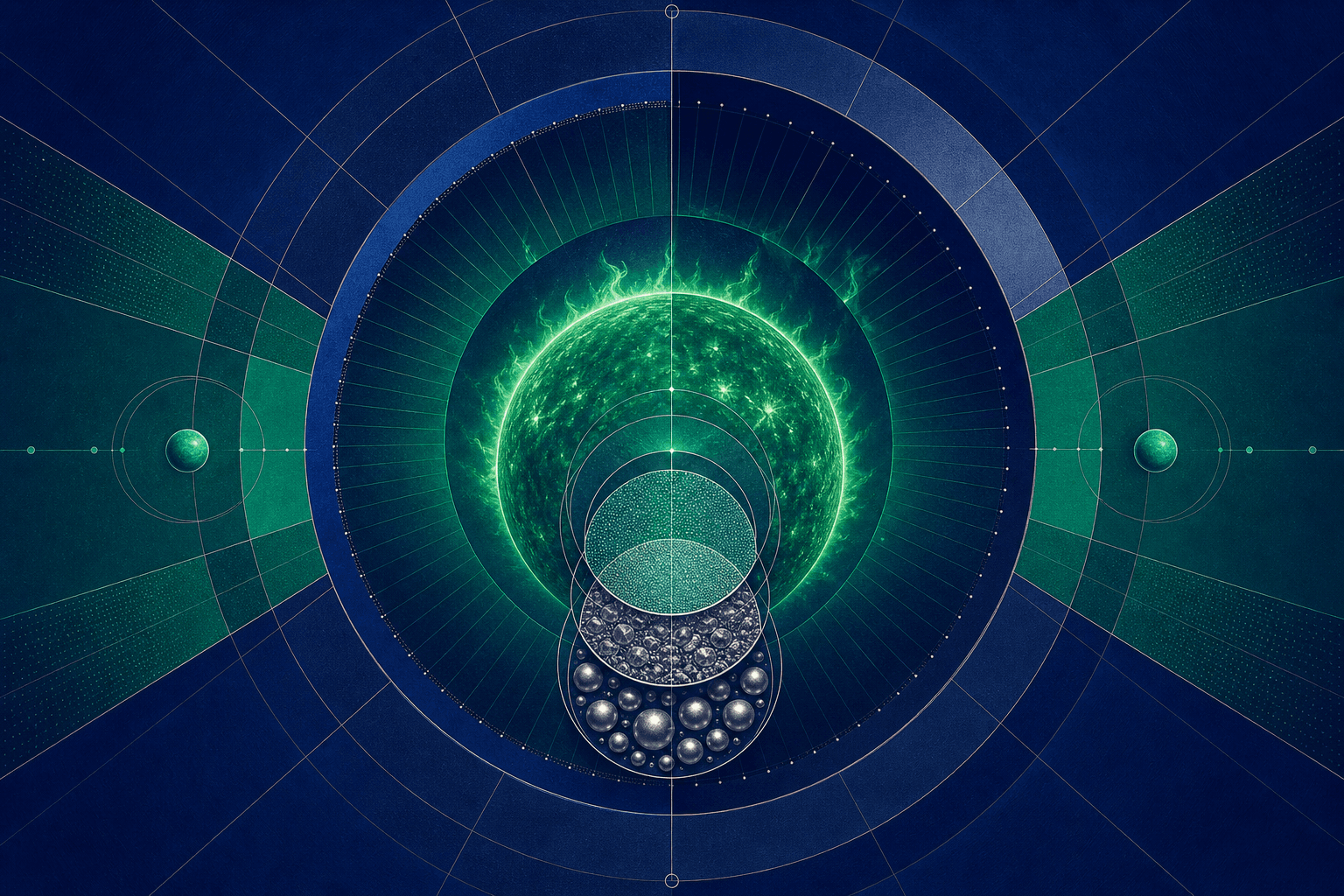
New spectroscopic modeling from Uppsala University resolves a long-standing discrepancy in solar chemistry by identifying significantly higher silver levels.
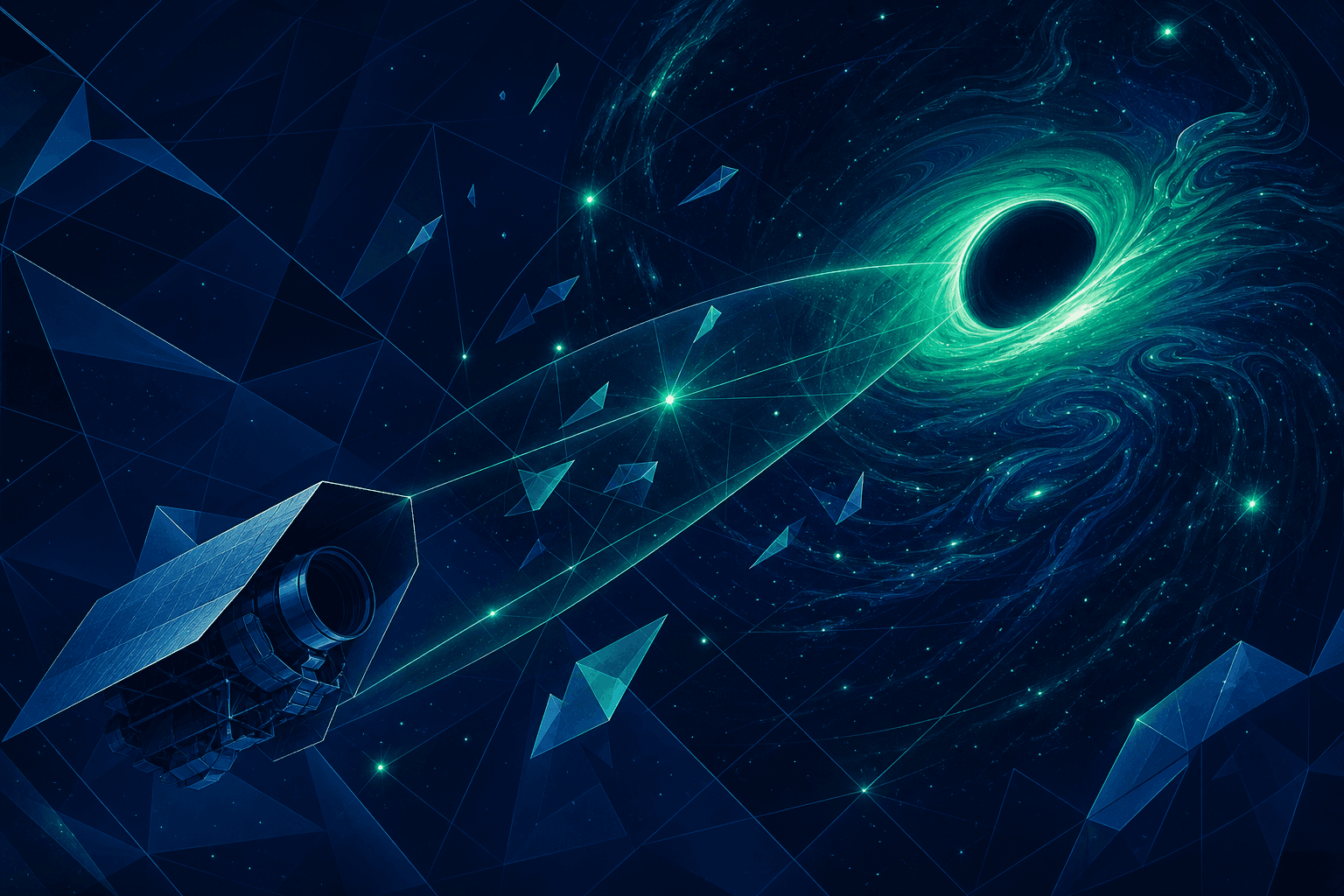
New research indicates the upcoming observatory will identify tidal disruption events from billions of years ago to resolve long-standing debates over supermassive black hole formation.
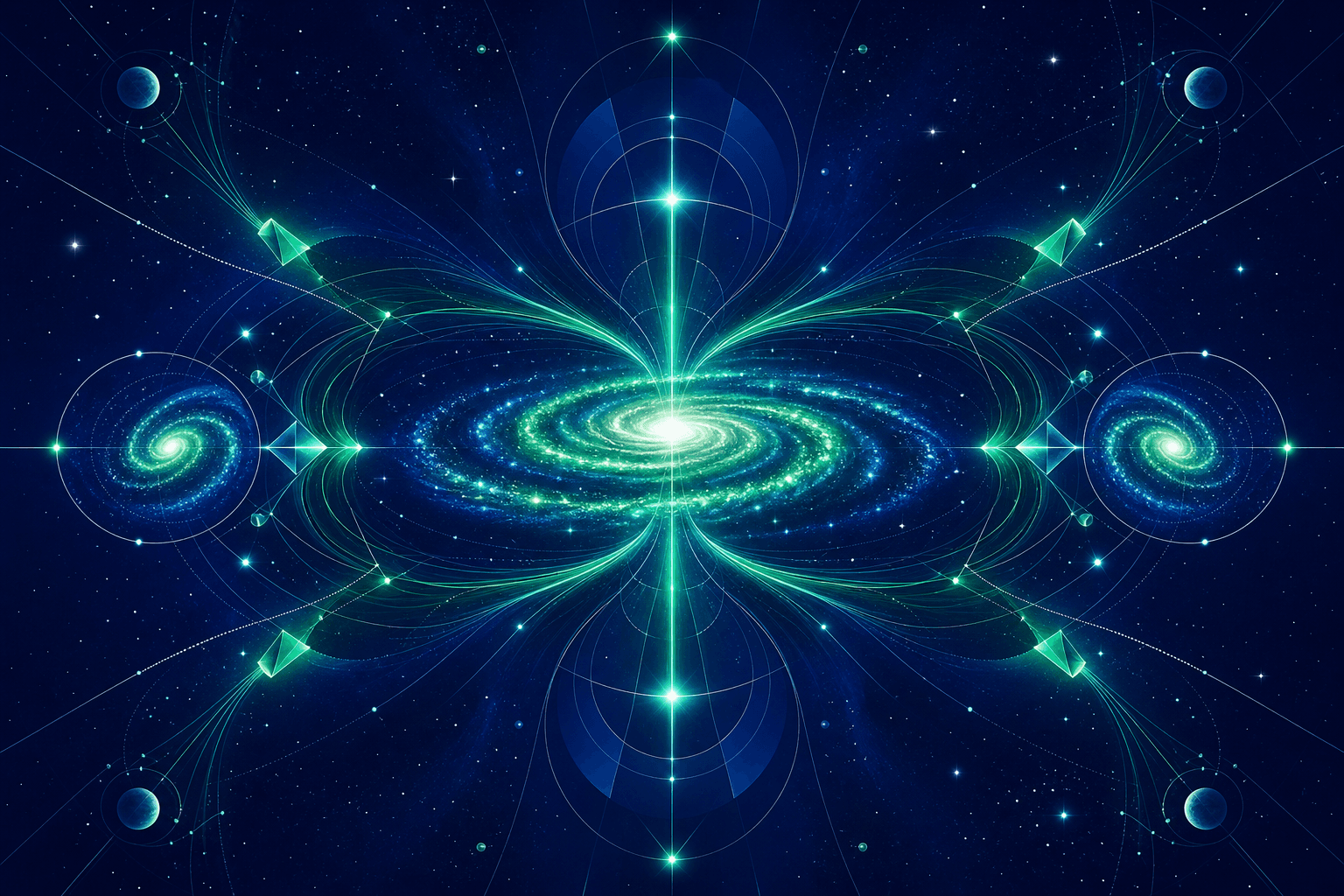
New observations reveal that early galaxies utilized organized structures to channel cold gas, challenging long-held theories about chaotic star formation.
Archaeologists have identified the name of a Maya astronomer linked to a complex astronomical formula, providing new evidence of a structured scientific tradition.
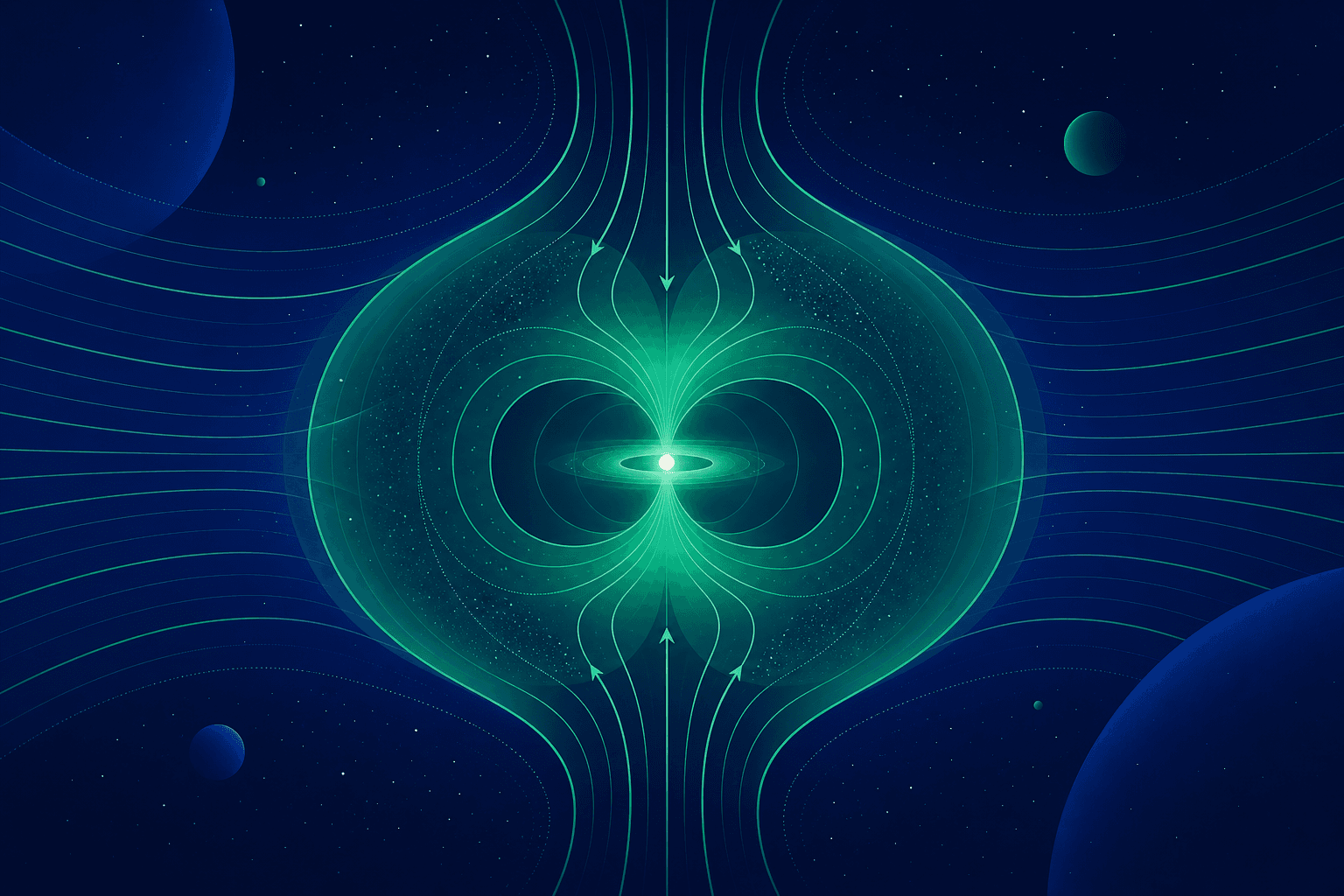
New observations of the L1544 prestellar core reveal how neutral gas slips past magnetic fields to initiate gravitational collapse.