Latest in Topic
Astronomers Identify Hybrid Black Hole Star Challenging Early Universe Models
The discovery of MoM-BH*-1 provides a new explanation for the rapid growth of supermassive black holes in the early universe.
By Auto News4 min read
Reporting and analysis tagged james webb space telescope.
The discovery of MoM-BH*-1 provides a new explanation for the rapid growth of supermassive black holes in the early universe.
New infrared observations reveal that aging stars can sustain water and dust production despite the extreme radiation environment near Sagittarius A*.
Researchers have discovered a unique celestial entity that combines the characteristics of a massive star with the immense energy output of a black hole.
New findings suggest that enigmatic compact objects in the early universe are massive, short-lived stars that may have seeded the first supermassive black holes.
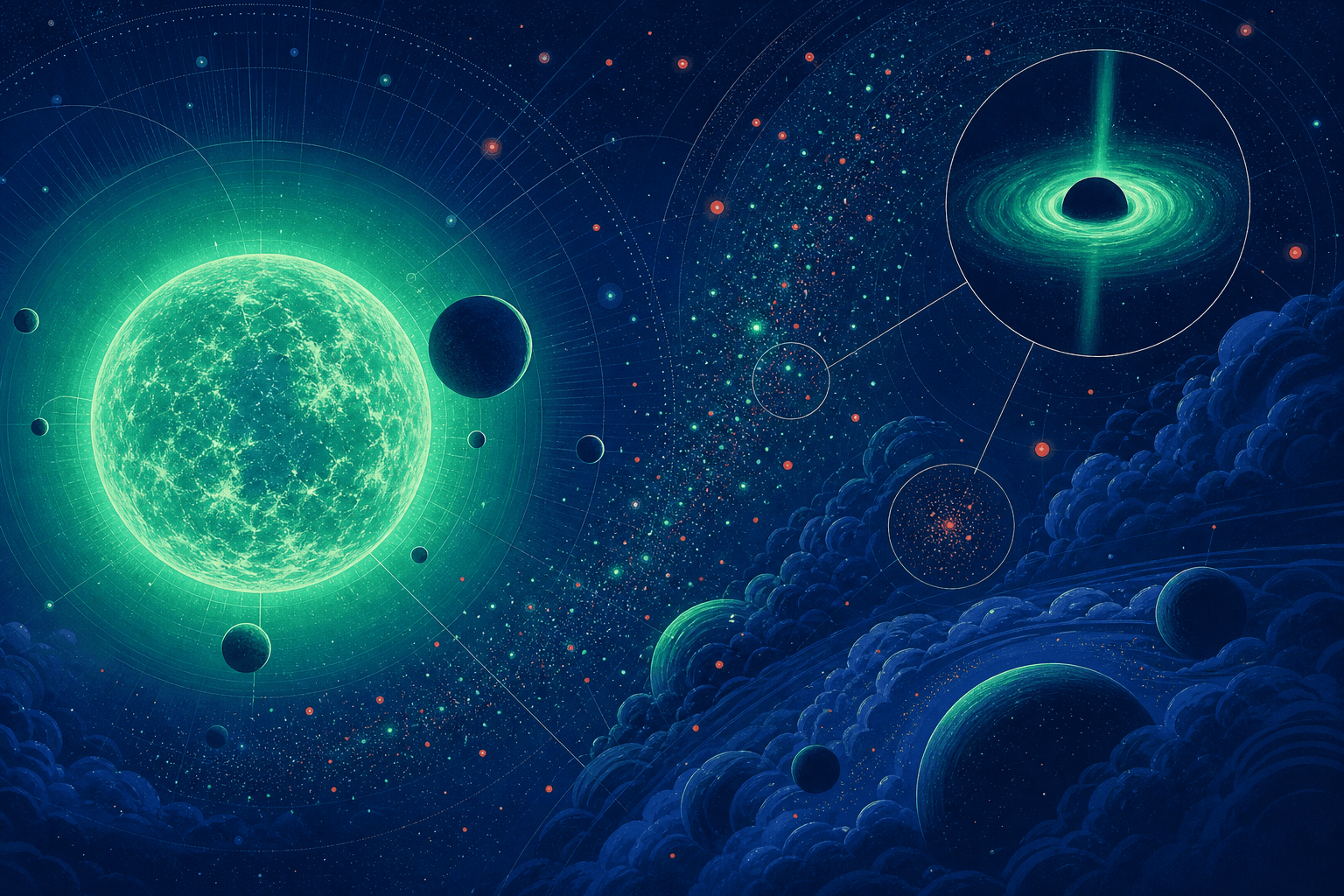
New research suggests that massive stellar objects could be the missing link in understanding both mysterious infrared signatures and the rapid formation of primordial black holes.
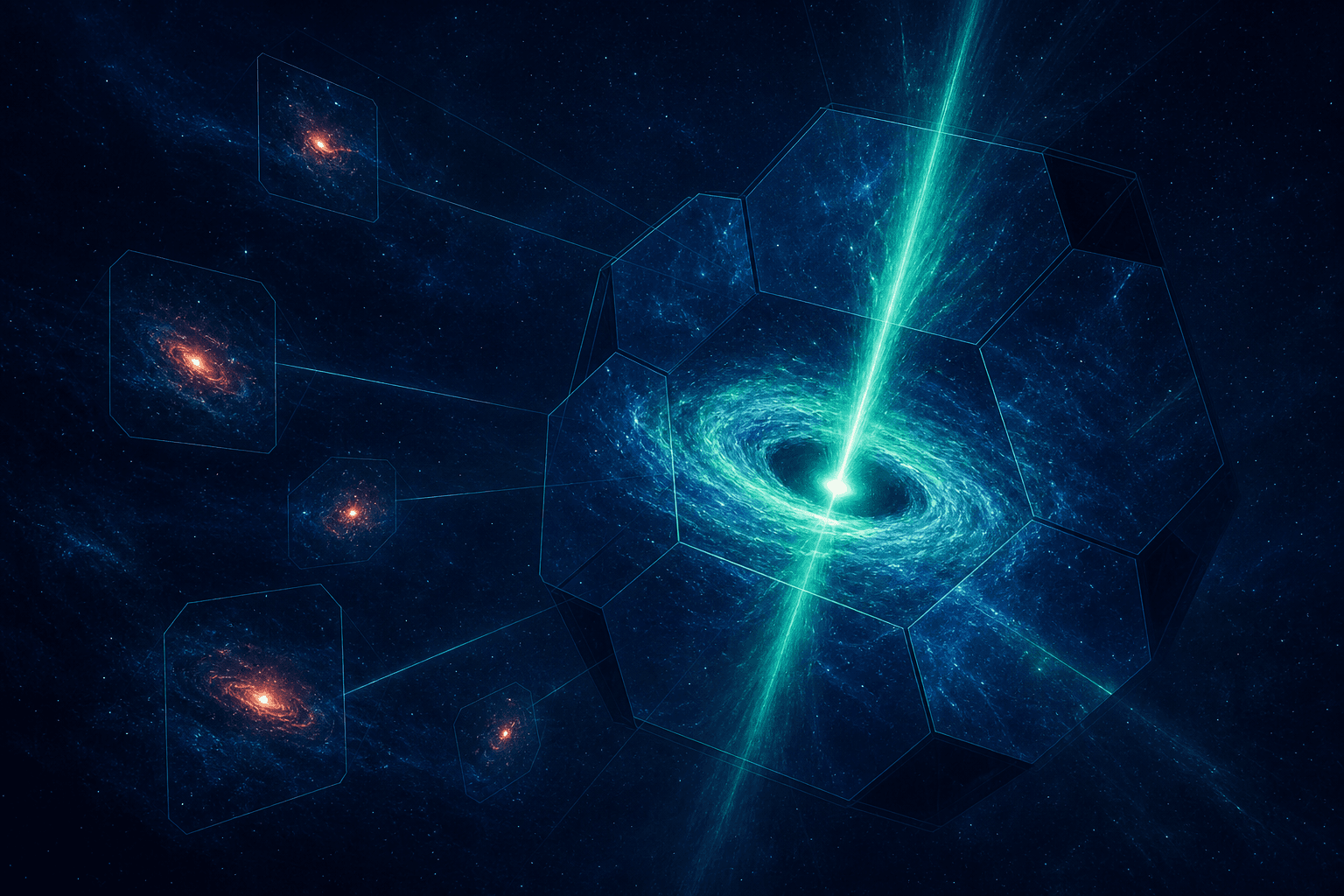
New research confirms that the enigmatic objects observed in the early universe are supermassive black holes in a phase of rapid growth, rather than evidence of new physics.
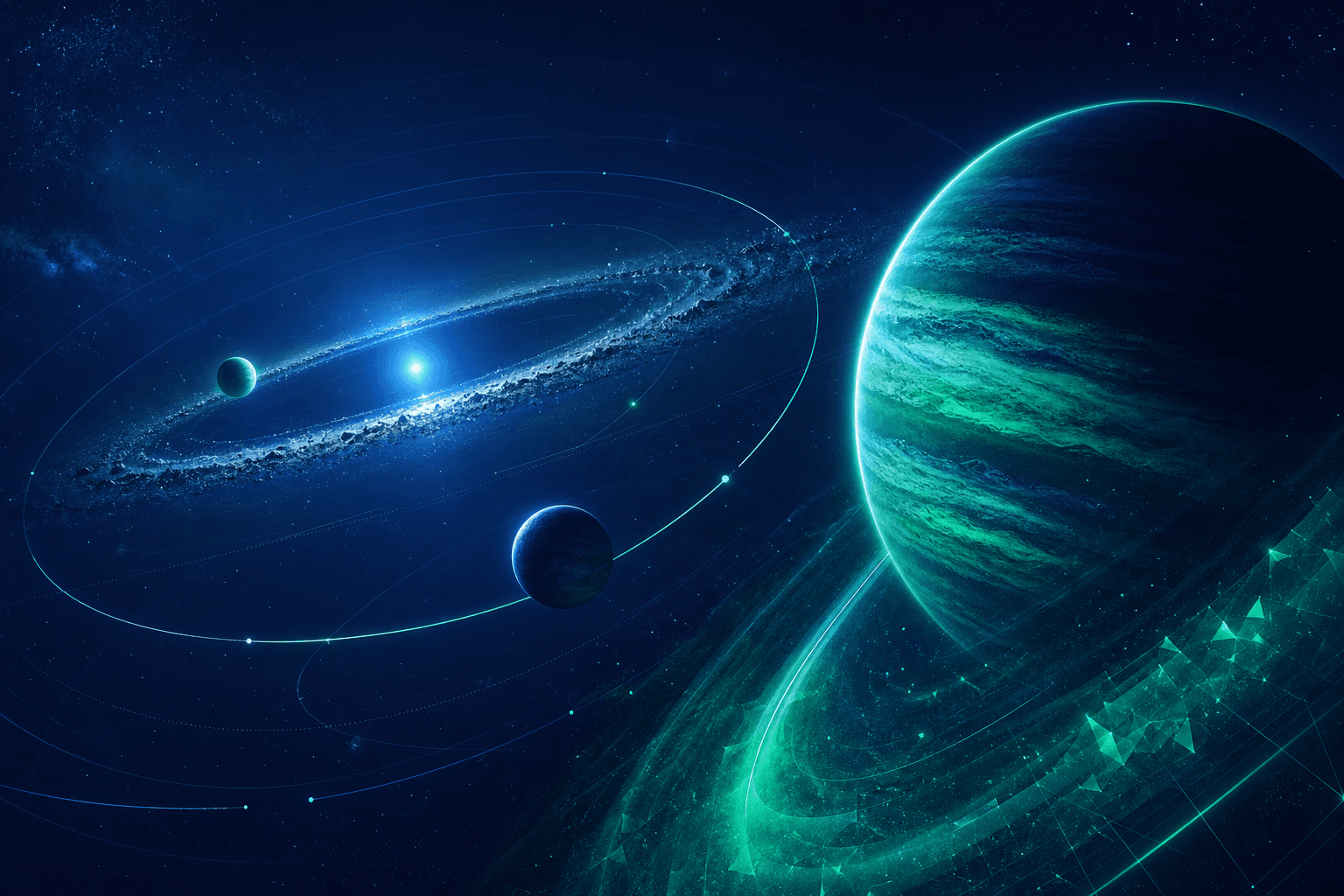
Astronomers have identified a third giant planet orbiting the young star Beta Pictoris by isolating its unique atmospheric chemical signature from dense surrounding debris.
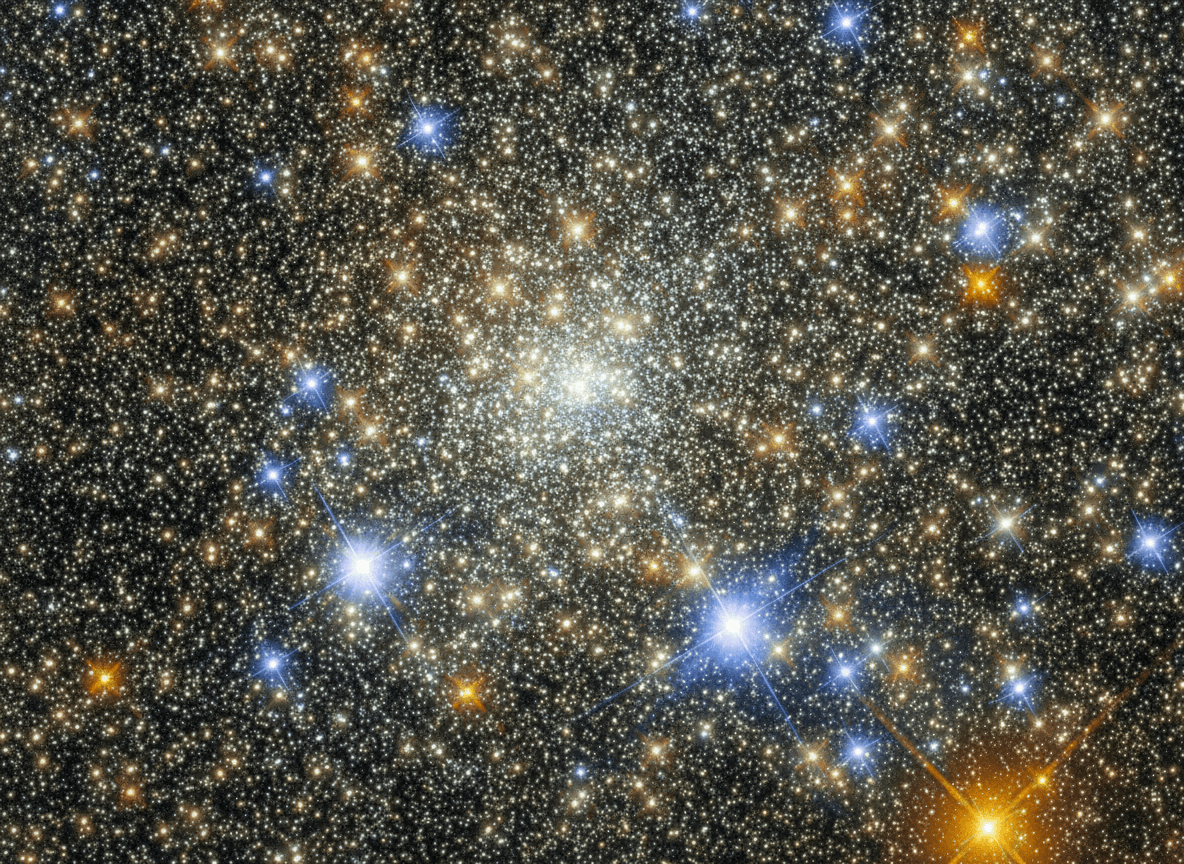
New observations from the James Webb Space Telescope reveal that the system contains four distinct stellar generations, confirming its role as a relic of galactic assembly.
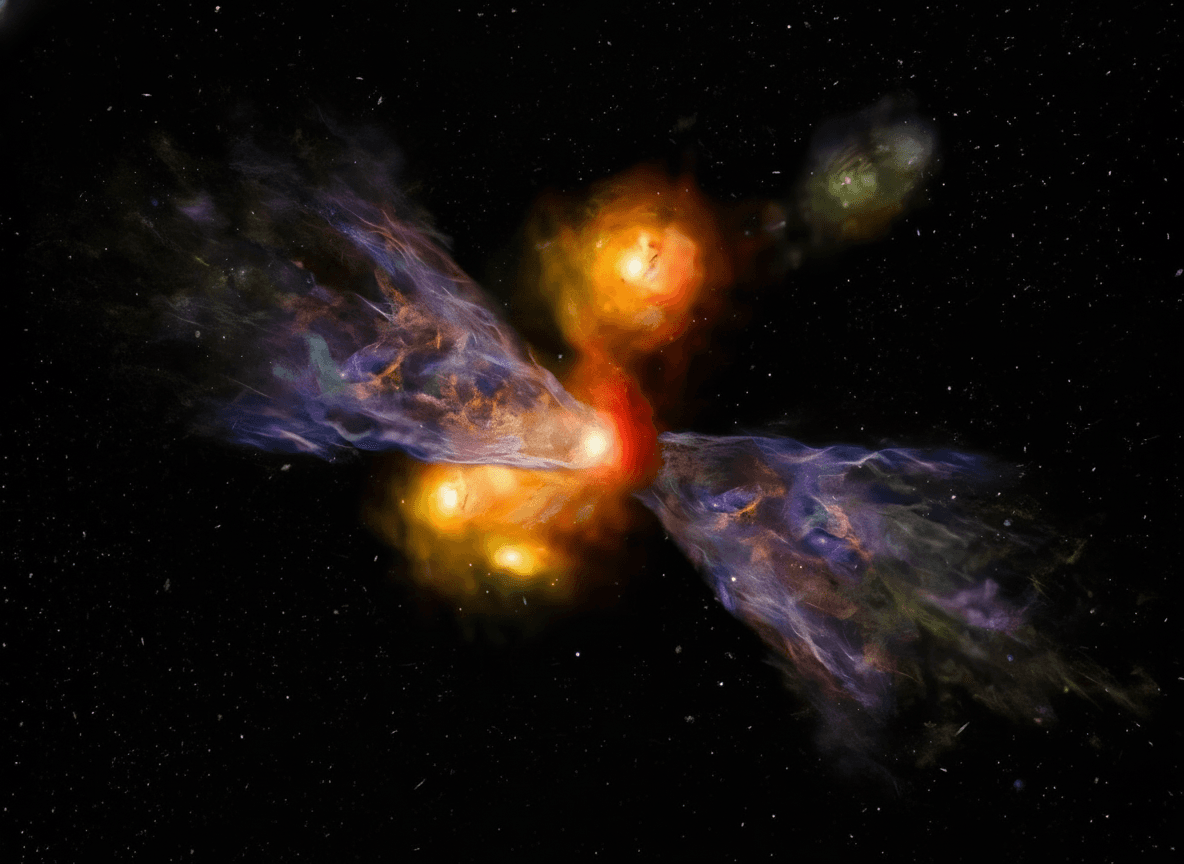
New observations reveal how intense star formation and galactic collisions trigger powerful gas outflows that rapidly deplete fuel for future stellar growth.