James Webb Space Telescope detects water near Milky Way supermassive black hole
New infrared observations reveal that aging stars can sustain water and dust production despite the extreme radiation environment near Sagittarius A*.
Reporting and analysis tagged milky way.

New infrared observations reveal that aging stars can sustain water and dust production despite the extreme radiation environment near Sagittarius A*.

The second eROSITA data release provides a comprehensive census of the X-ray sky, finally identifying the stellar populations responsible for the Milky Way’s mysterious ridge glow.

New research suggests that invisible primordial black holes could be responsible for triggering certain white dwarf explosions, leaving distinct chemical signatures in the Milky Way.

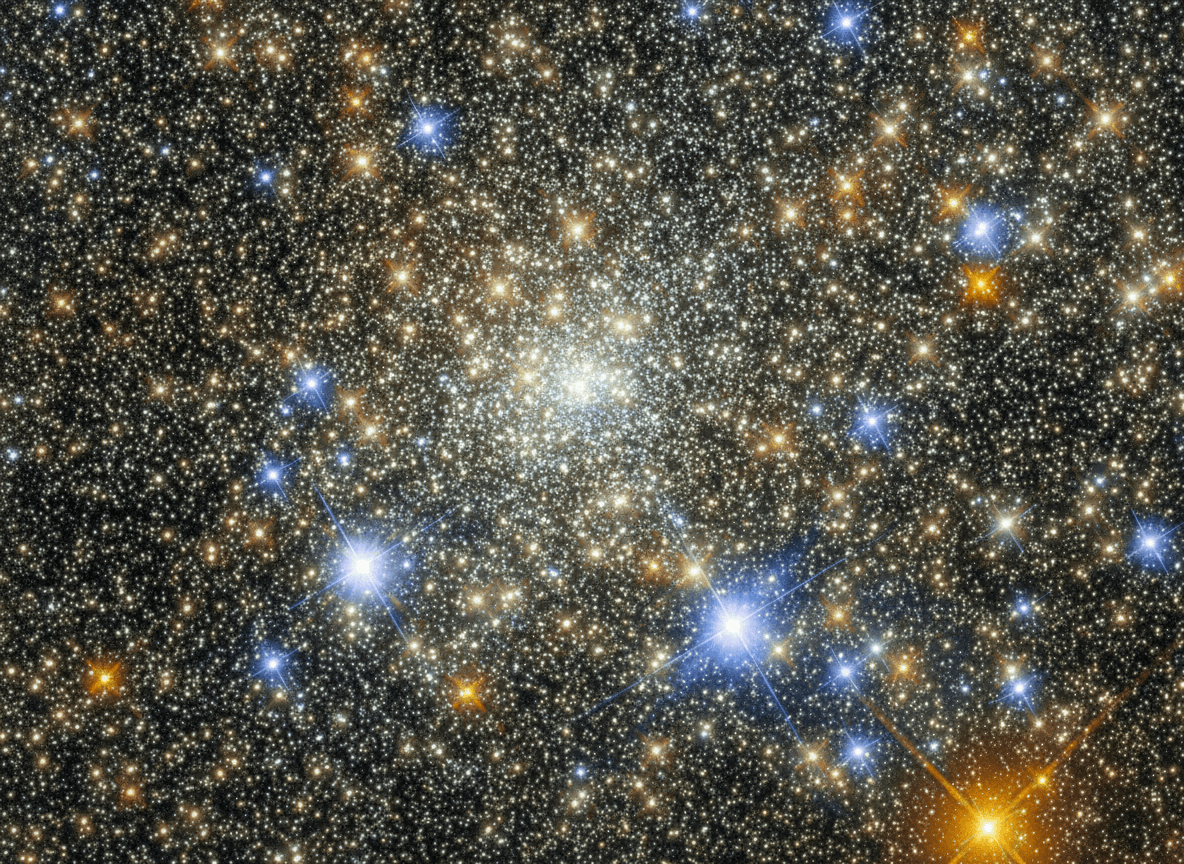
New observations from the James Webb Space Telescope reveal that the system contains four distinct stellar generations, confirming its role as a relic of galactic assembly.

New infrared data from the James Webb Space Telescope suggests a massive star cluster acts as a fossilized remnant of the early galaxy.

Researchers have identified a long-sought cone-shaped void in the galactic center, confirming that Sagittarius A* generates a continuous wind despite its quiescent state.