
Latest in Topic
Astronomers Identify Hybrid Black Hole Star Challenging Early Universe Models
The discovery of MoM-BH*-1 provides a new explanation for the rapid growth of supermassive black holes in the early universe.
By Auto News4 min read
Reporting and analysis tagged astronomy.
The discovery of MoM-BH*-1 provides a new explanation for the rapid growth of supermassive black holes in the early universe.

New infrared observations reveal that aging stars can sustain water and dust production despite the extreme radiation environment near Sagittarius A*.
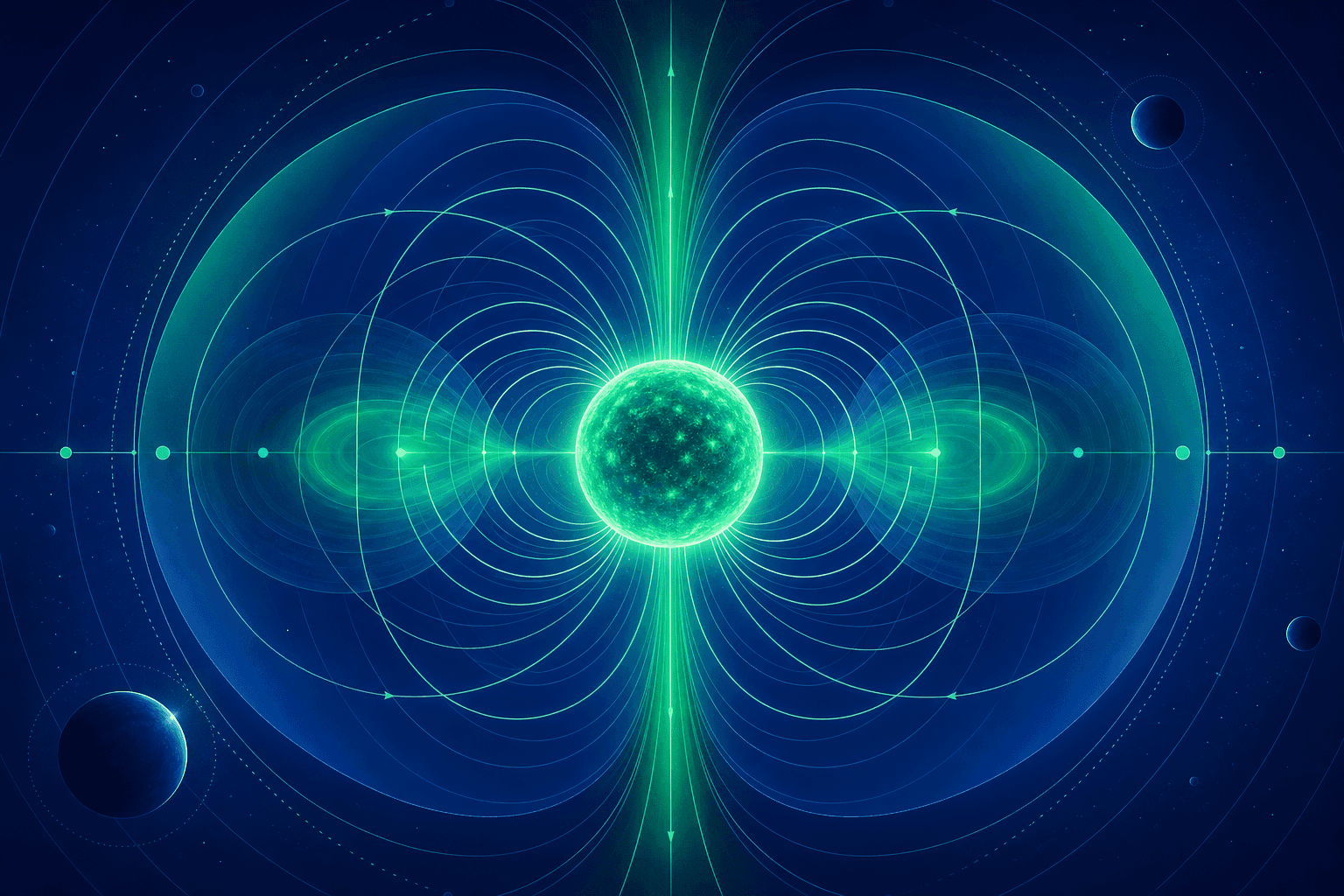
Laboratory experiments suggest that intense magnetic fields can trap plasma streams, potentially explaining why coronal mass ejections are rarely observed on active stars.

Researchers have discovered a unique celestial entity that combines the characteristics of a massive star with the immense energy output of a black hole.

The massive new 2D atlas provides a critical foundation for upcoming space missions and ongoing dark energy research.
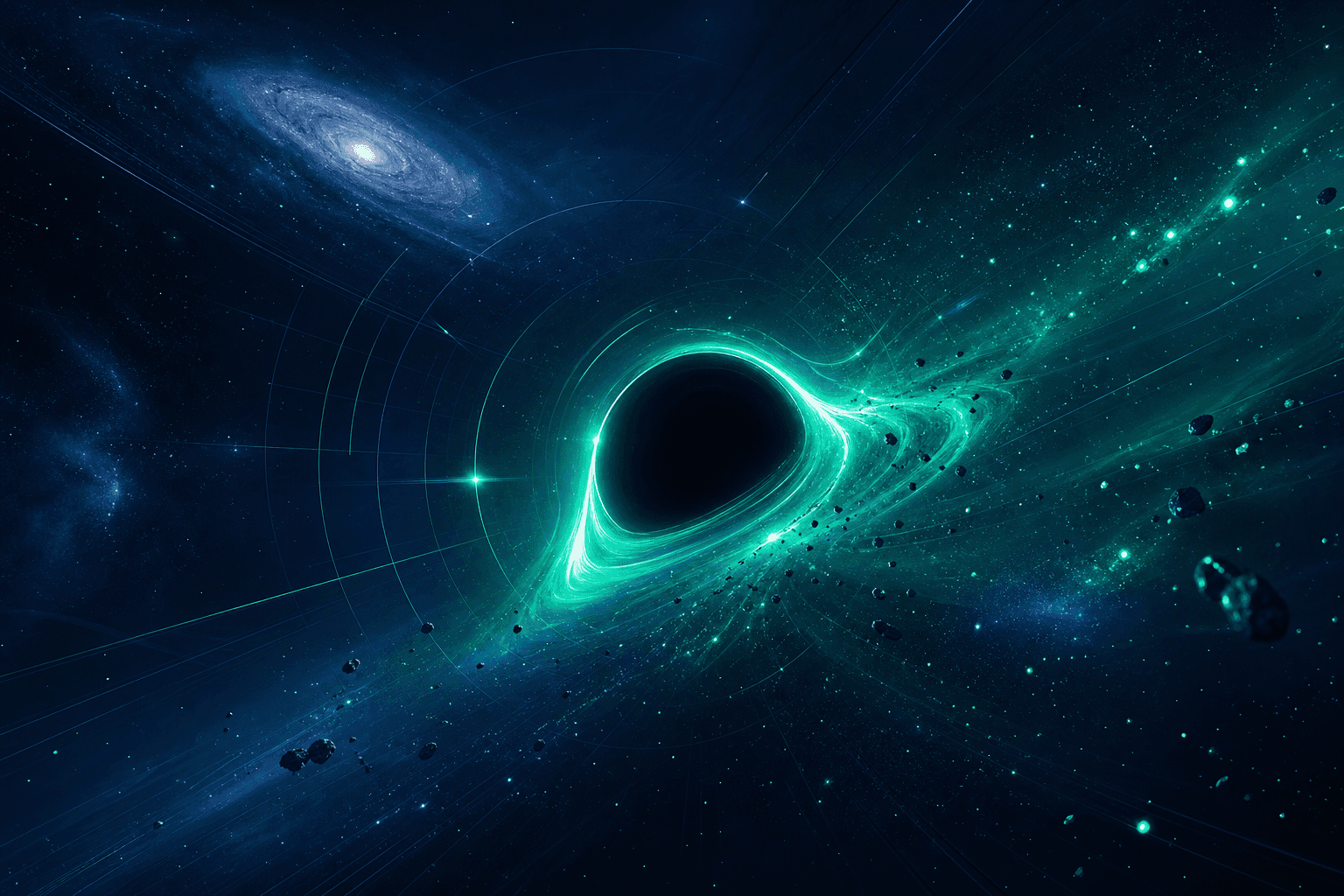
Astronomers have detected a massive black hole far from the center of its galaxy, providing new insights into the movement of these objects after galactic collisions.

Researchers have observed the complete lifecycle of a massive star’s death, providing new insights into the mechanics of high-energy stellar explosions.

New research suggests that massive stellar objects could be the missing link in understanding both mysterious infrared signatures and the rapid formation of primordial black holes.

High-resolution observations of the sun reveal previously unseen vortex structures that may explain the mechanics of solar heating.

New observations from the LHAASO observatory reveal that a binary star system accelerates particles to energies thirty times higher than previously thought possible.