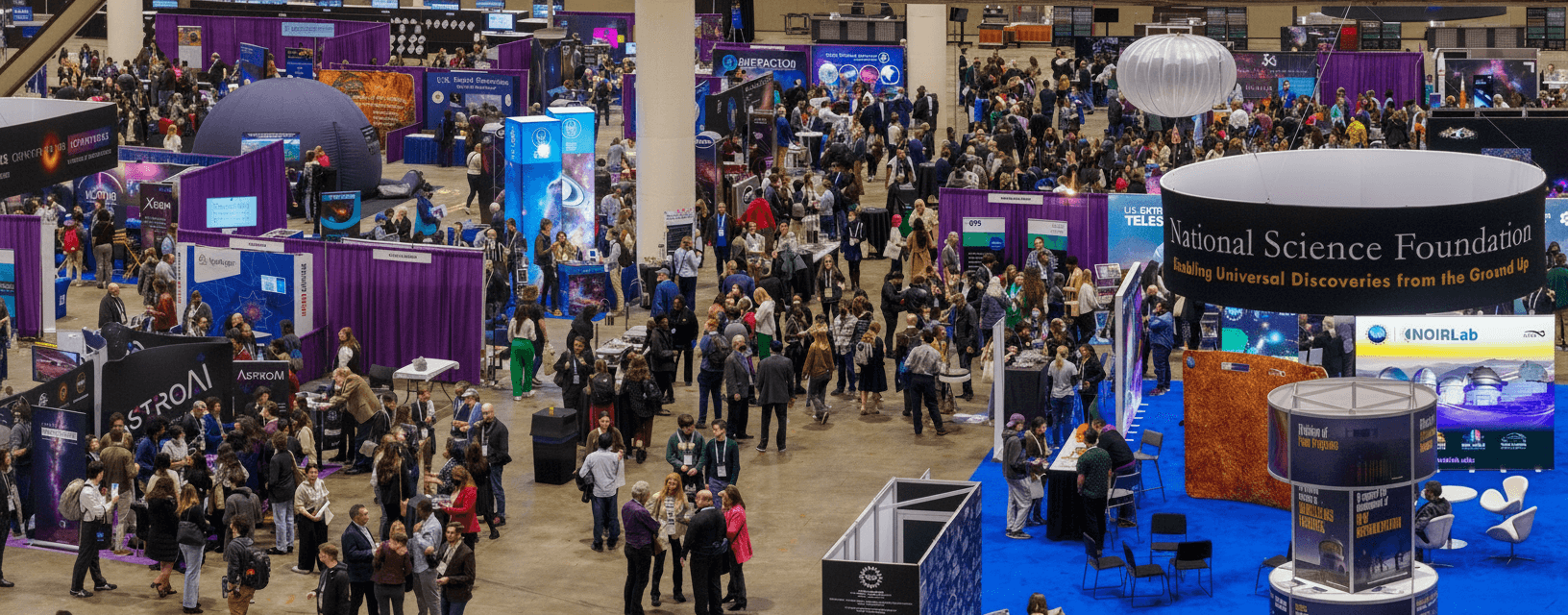
AAS 248 Sets Strategic Course for Next Decade of Astrophysics
The 248th meeting of the American Astronomical Society gathers researchers in Pasadena to define the scientific priorities and data infrastructure for the 2030s.
No. 164
Charting the observable universe — and the capital, instruments, and institutions racing to measure it.
The 248th meeting of the American Astronomical Society gathers researchers in Pasadena to define the scientific priorities and data infrastructure for the 2030s.
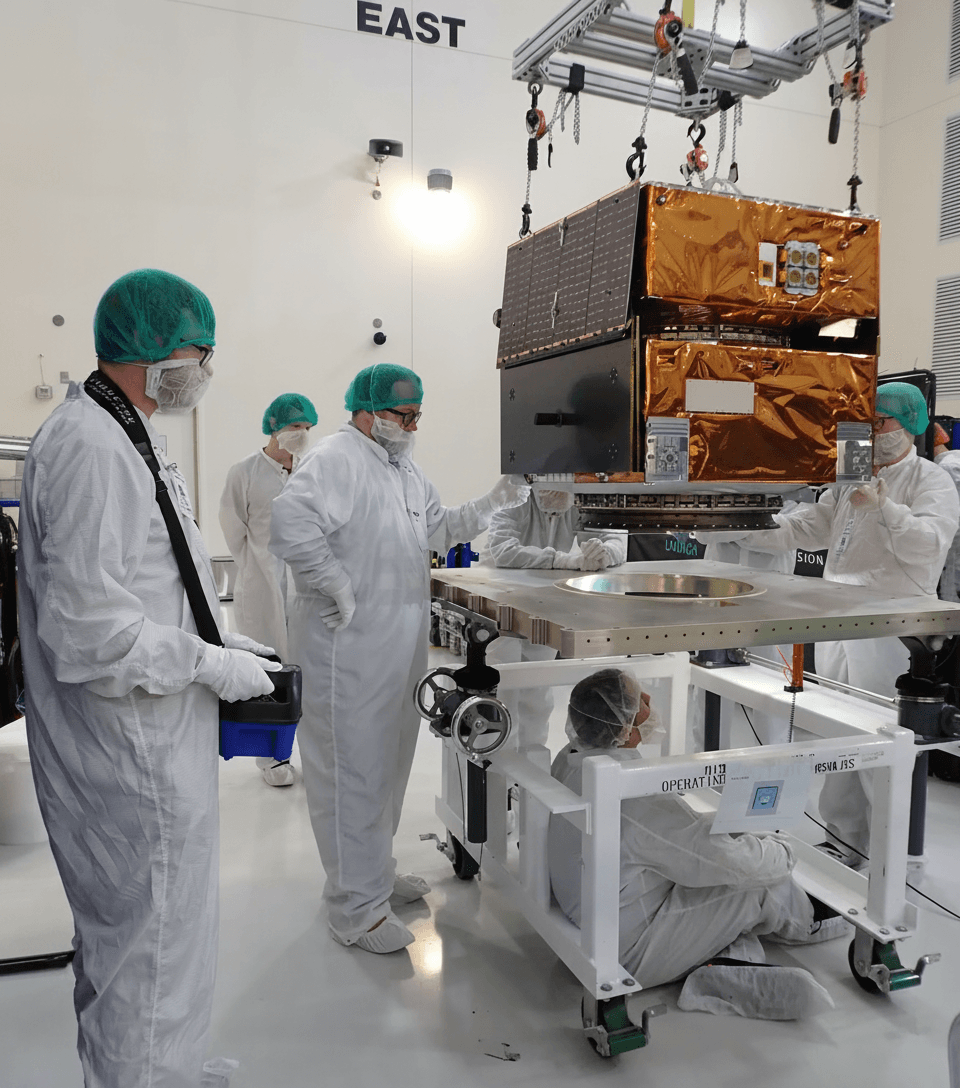
A commercial robotic spacecraft is set to launch in late June to extend the life of a critical gamma-ray burst telescope facing orbital decay.
New infrared data from the Centaurus cluster demonstrate how large-scale filamentary networks directly fuel the growth of central black holes.
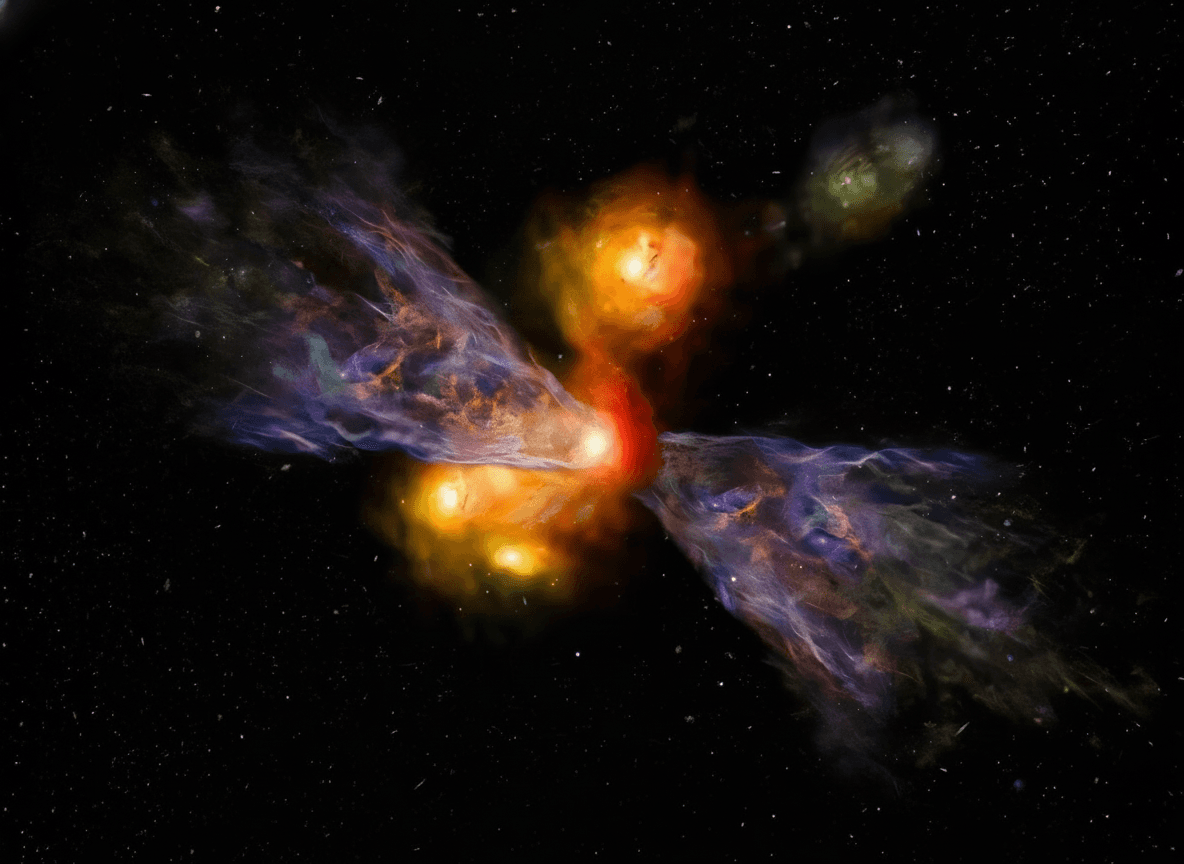
New observations reveal how intense star formation and galactic collisions trigger powerful gas outflows that rapidly deplete fuel for future stellar growth.
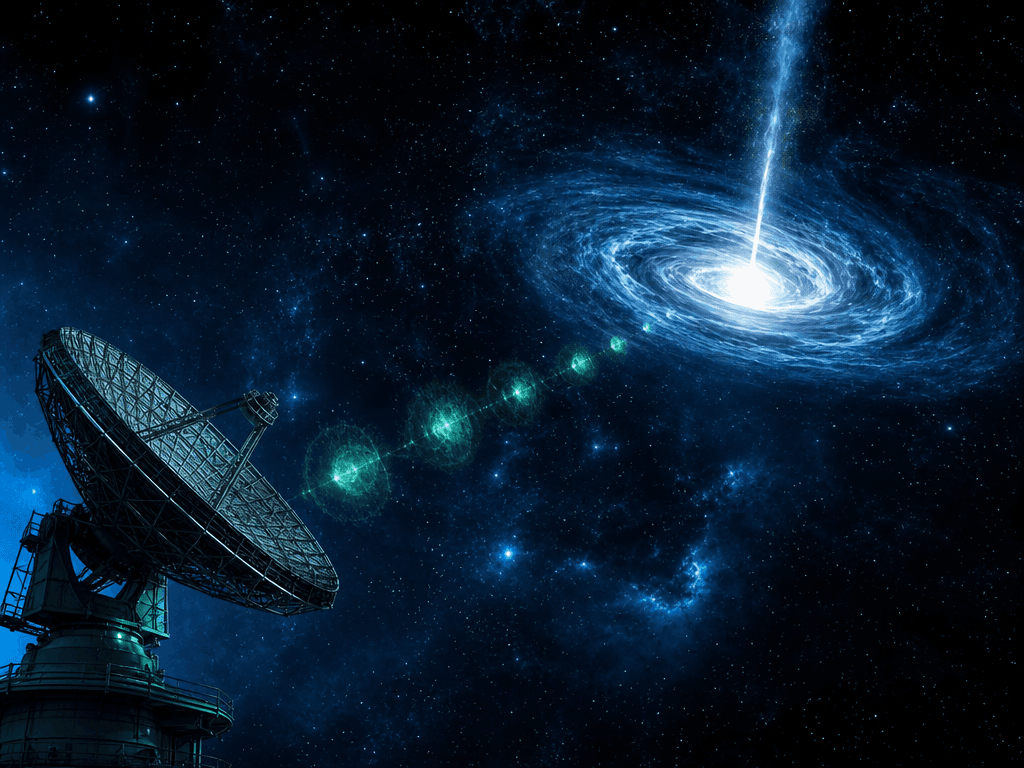
New research reveals a surprisingly mature supermassive black hole existing just 850 million years after the Big Bang.
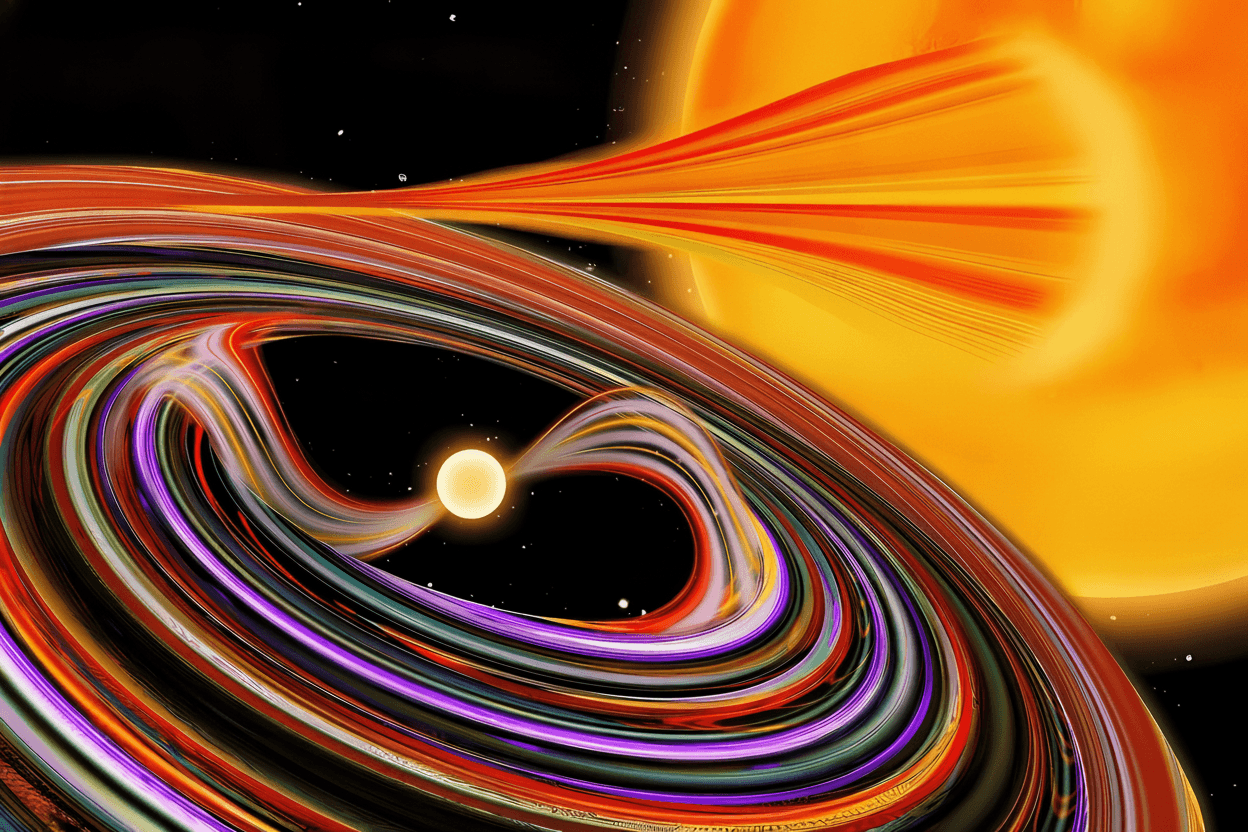
New supercomputer simulations reveal how interstellar magnetic fields strip rotational energy from protostars, explaining the compact orbits observed in binary systems.
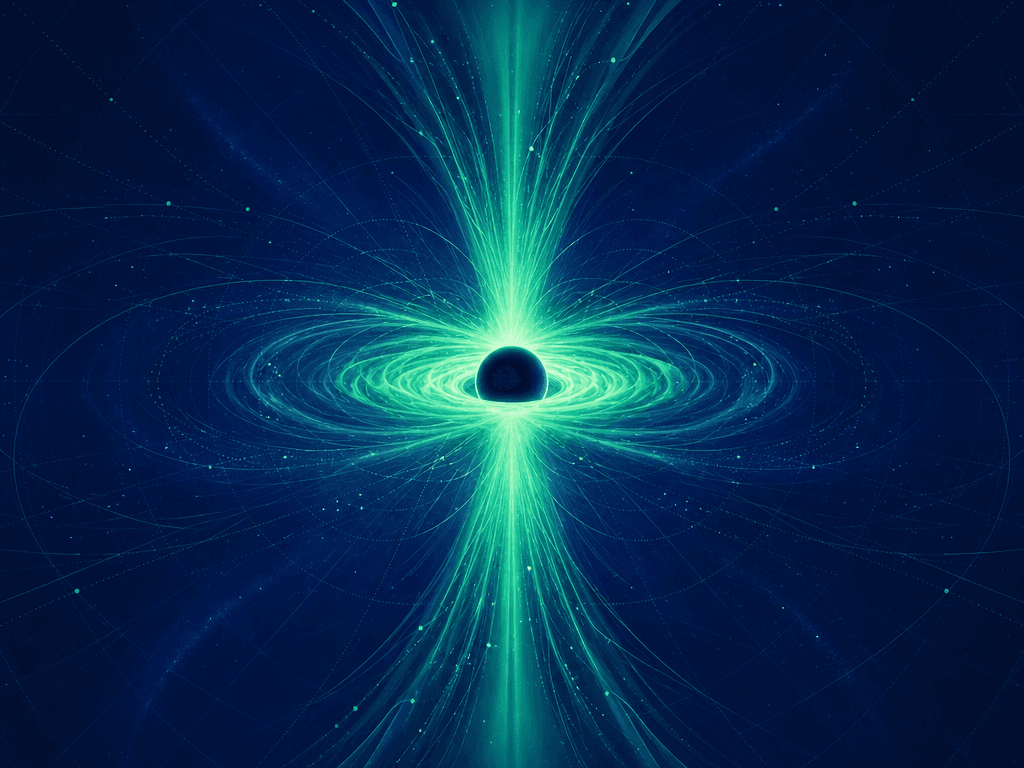
Researchers have identified a long-sought cone-shaped void in the galactic center, confirming that Sagittarius A* generates a continuous wind despite its quiescent state.
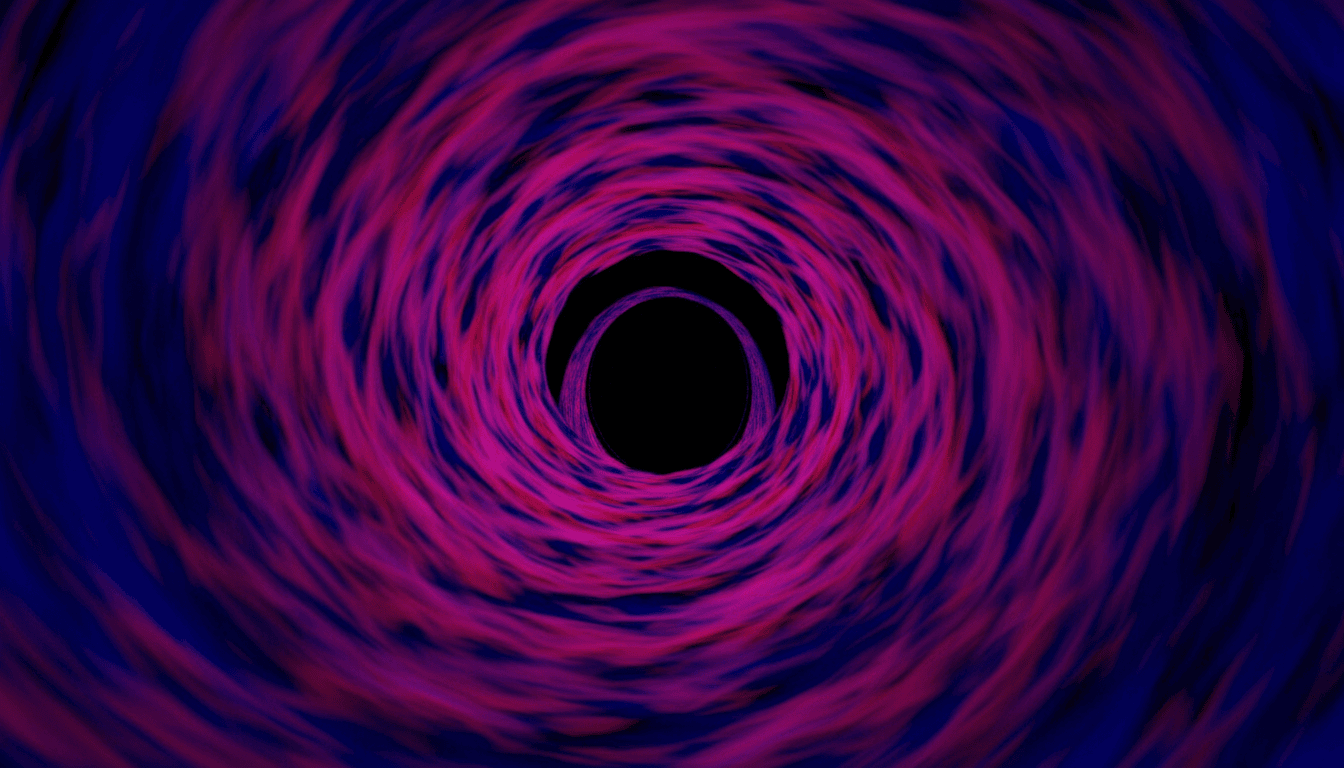
New data from the James Webb Space Telescope reveals black holes that predate their host galaxies, forcing a re-evaluation of early universe cosmic evolution.

The Institute for Artificial Intelligence and Fundamental Interactions enters a second phase of operations with increased federal support and a focus on cross-disciplinary discovery.
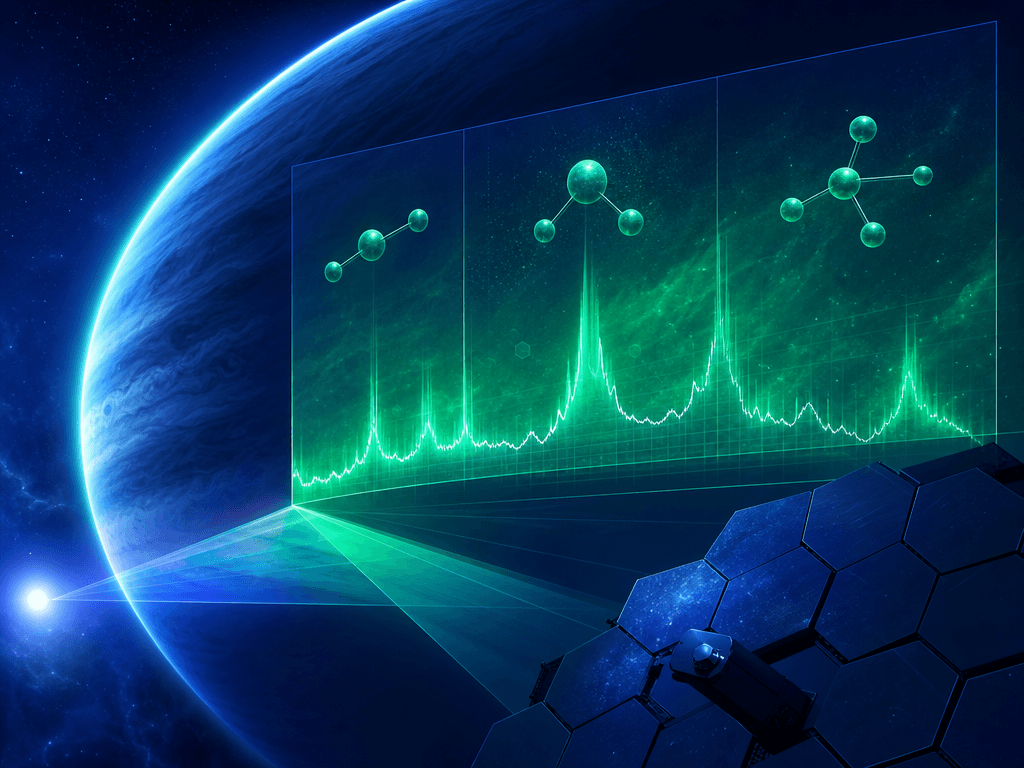
Researchers have identified carbon monoxide, water, and hydroxyl in the atmosphere of a hot Jupiter by applying advanced signal processing to archival telescope data.