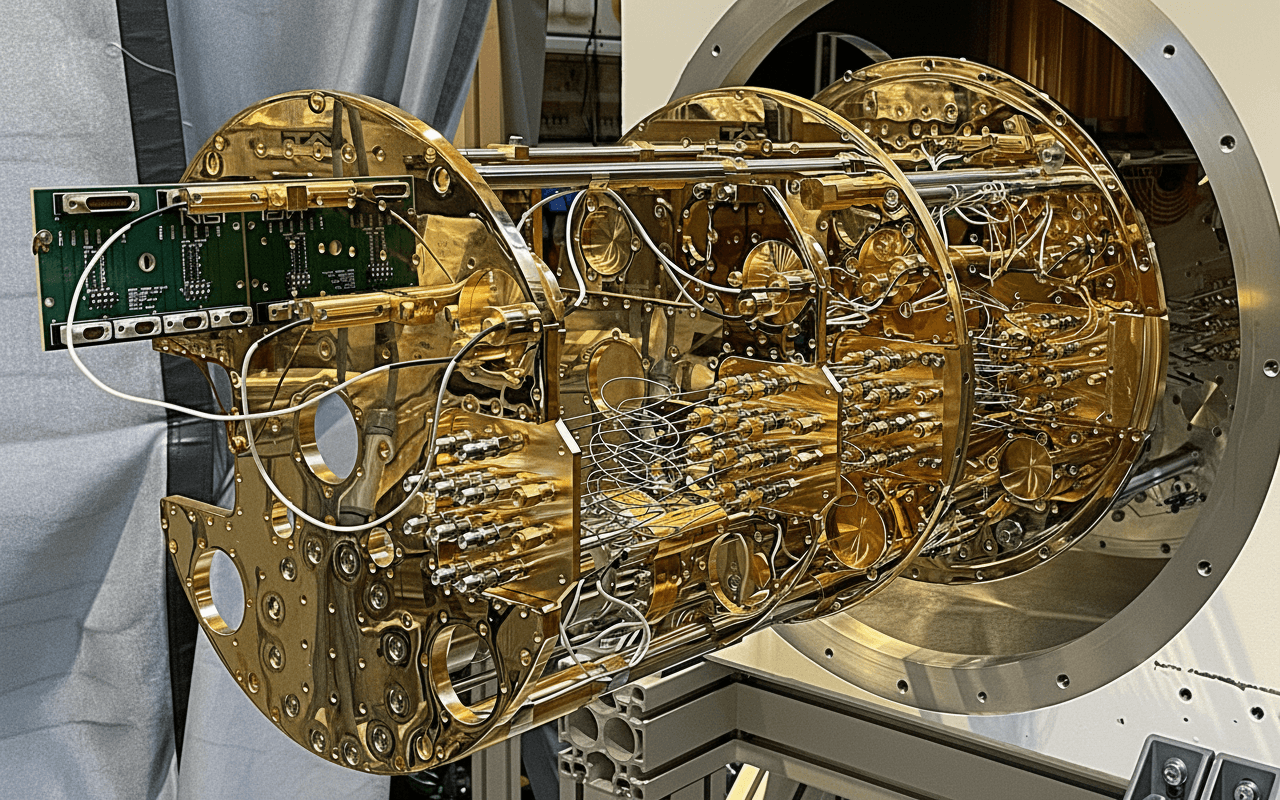
New TES Spectrometer at BESSY II Expands X-Ray Research Capabilities
The installation of Europe’s first Transition Edge Sensor spectrometer at BESSY II enables high-sensitivity analysis of atomic-scale materials and dilute molecular systems.
No. 177
Every dispatch from the technical front lines, newest first.
The installation of Europe’s first Transition Edge Sensor spectrometer at BESSY II enables high-sensitivity analysis of atomic-scale materials and dilute molecular systems.
New observational data confirms the presence of spacetime vortices around merging black holes, providing a new method for testing general relativity.
New high-resolution simulations reveal that chaotic gas dynamics in the early universe led to a more diverse range of stellar masses than previously theorized.
Researchers have developed a modified silk fabric that reflects nearly 95% of sunlight to lower skin temperatures without synthetic polymers.

A re-evaluation of Type Ia supernova data suggests that cosmic expansion may be decelerating, challenging the existence of dark energy.

Researchers have mapped the invisible magnetic forces guiding gas into the DR21 stellar nursery, providing new insights into the formation of high-mass stars.

A new study from IIT Roorkee identifies specific bioactive compounds in cow urine distillate that demonstrate significant antiviral efficacy against the Chikungunya virus.
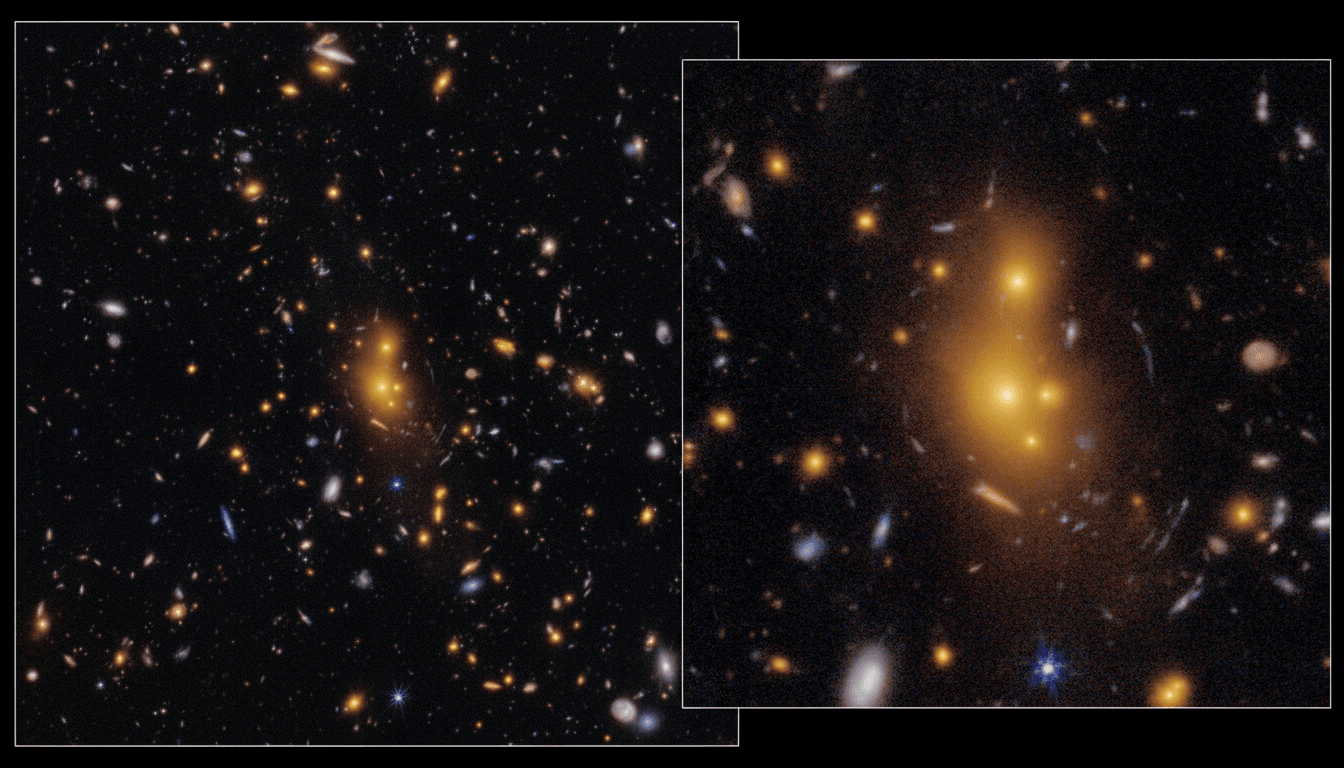
New observations from the James Webb Space Telescope reveal an unexpectedly mature galaxy cluster, forcing a reexamination of how massive structures formed in the early universe.

A collaborative international team has traced a mysterious, short-lived X-ray flash to a massive stellar explosion, providing new evidence for orphan afterglows.
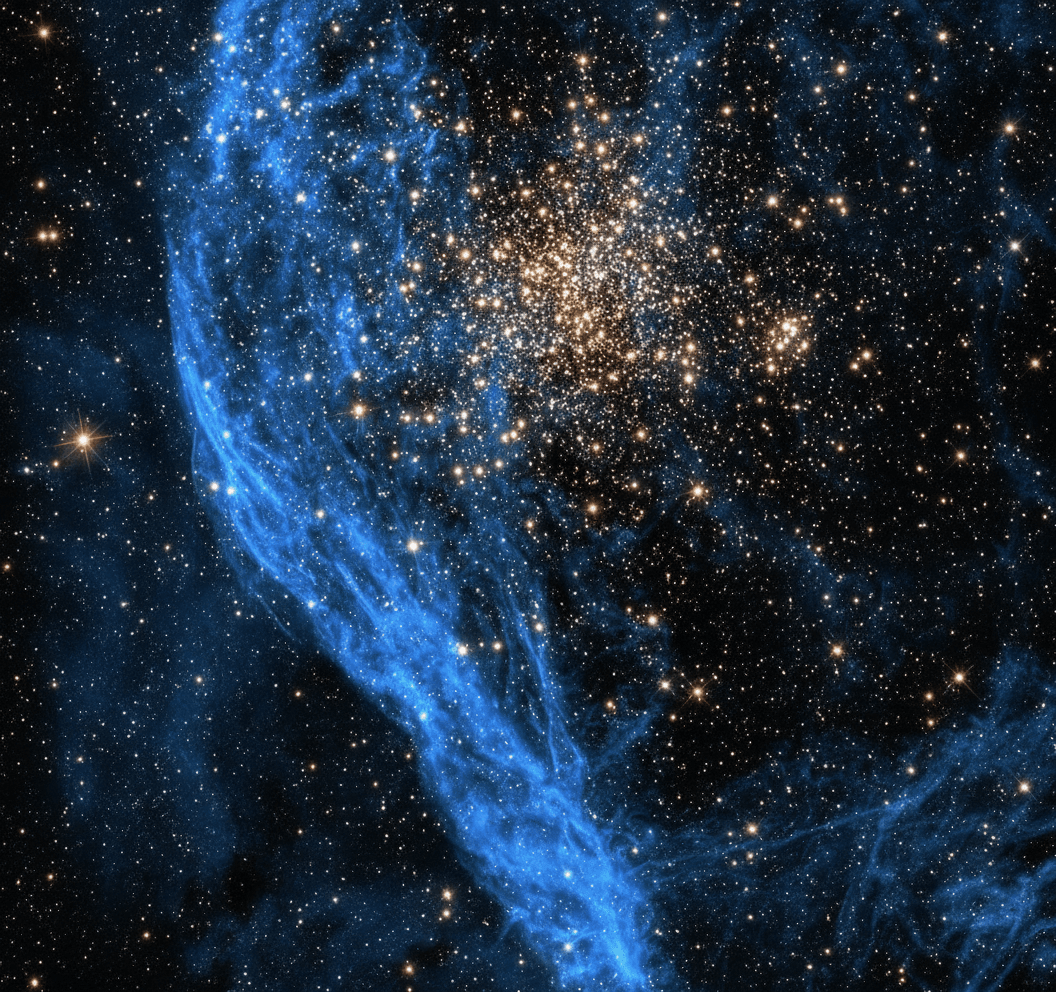
New X-ray observations of galaxy clusters align with early-universe predictions, providing a more precise understanding of the matter density and clumpiness of the cosmos.