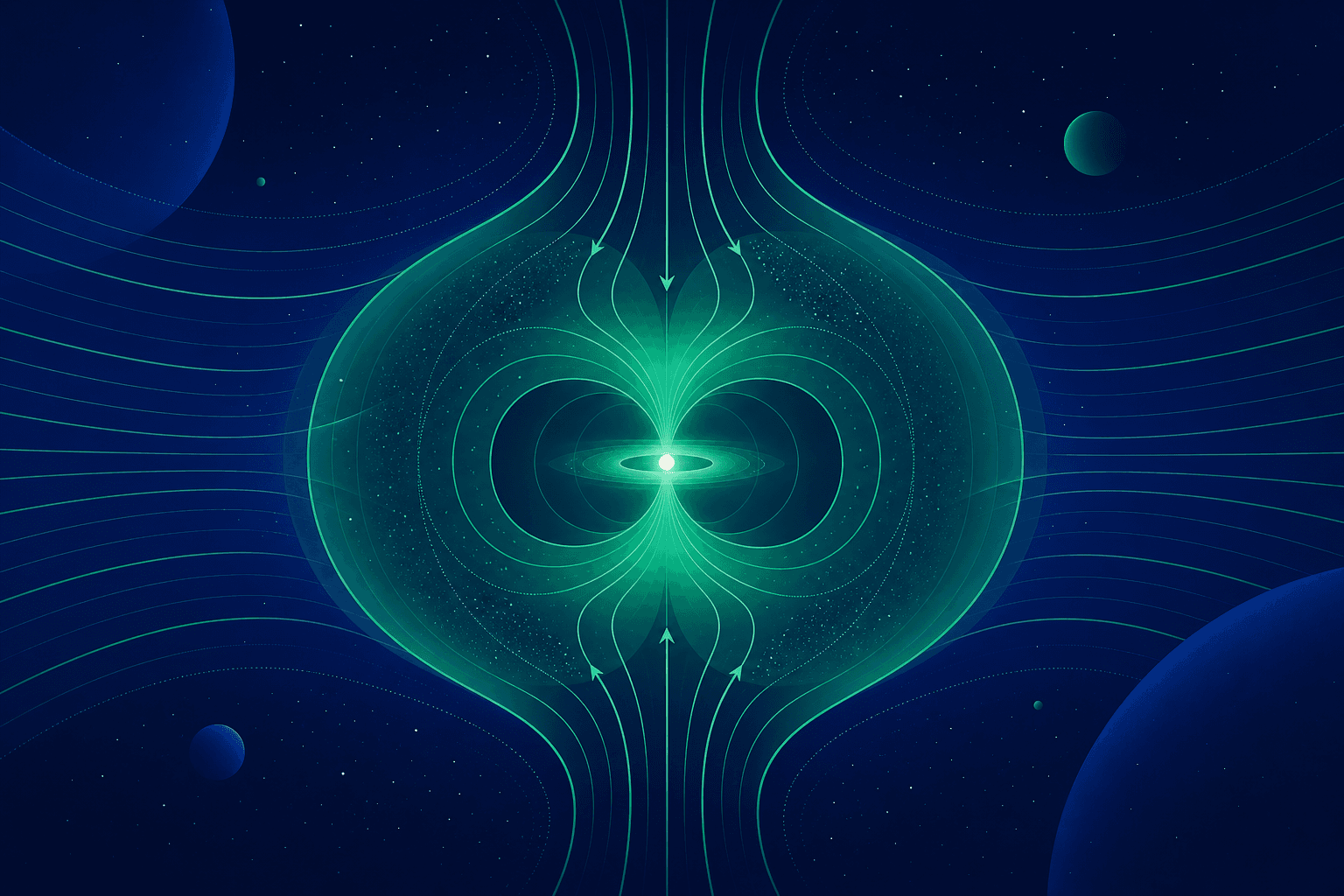
Astronomers Identify Ambipolar Diffusion as Key Driver of Star Formation
New observations of the L1544 prestellar core reveal how neutral gas slips past magnetic fields to initiate gravitational collapse.
No. 193
Reporting and analysis tagged astronomy.
New observations of the L1544 prestellar core reveal how neutral gas slips past magnetic fields to initiate gravitational collapse.
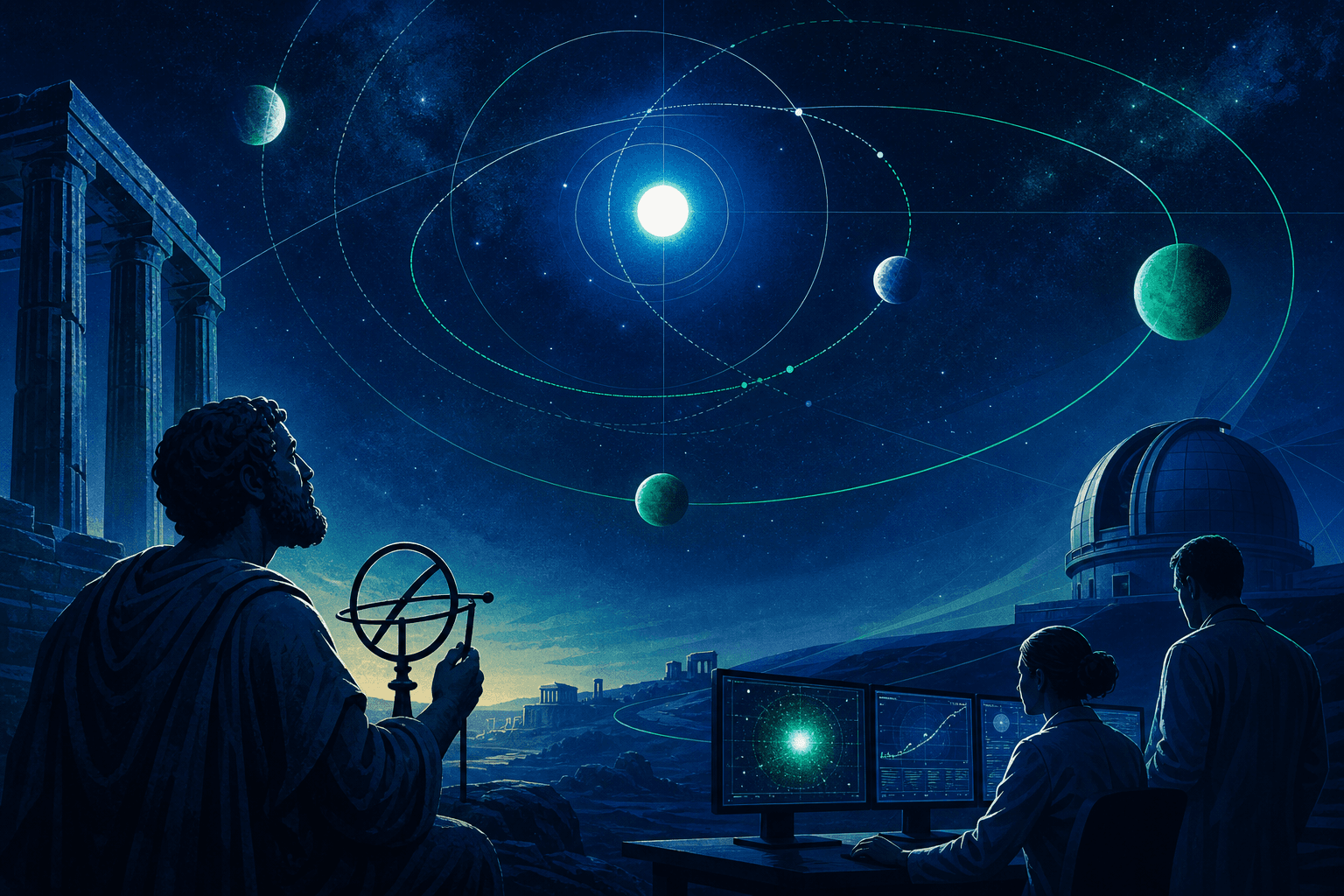
Astrophysicists have identified a millenary transient phase in a triple-star system that explains why ancient observers recorded it as one of the brightest stars in the sky.
New radio telescope observations challenge the single-bubble model of stellar formation by identifying multiple distinct feedback events.
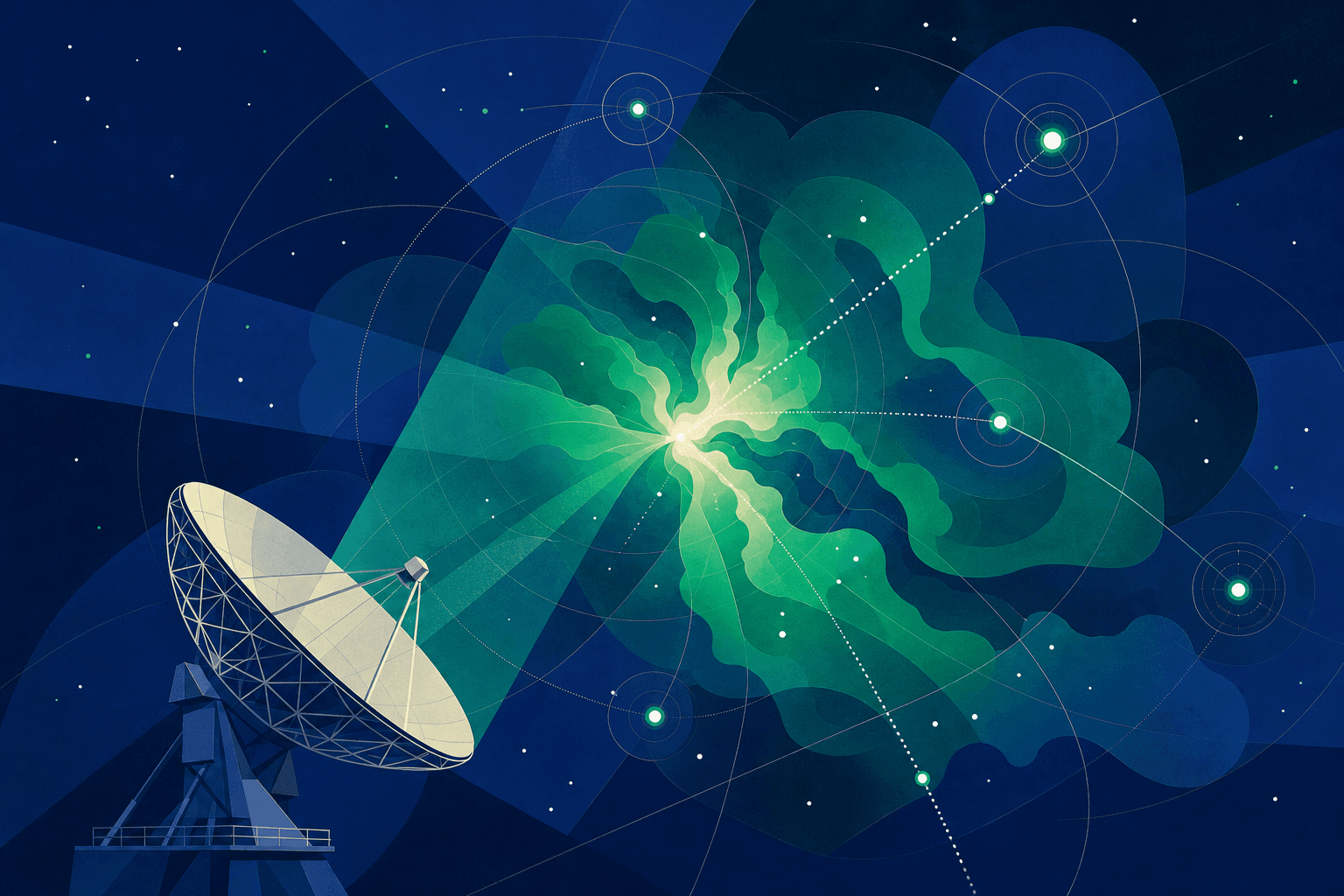
New high-resolution radio observations indicate that the Orion Nebula was shaped by multiple episodes of stellar feedback rather than a single expansion event.
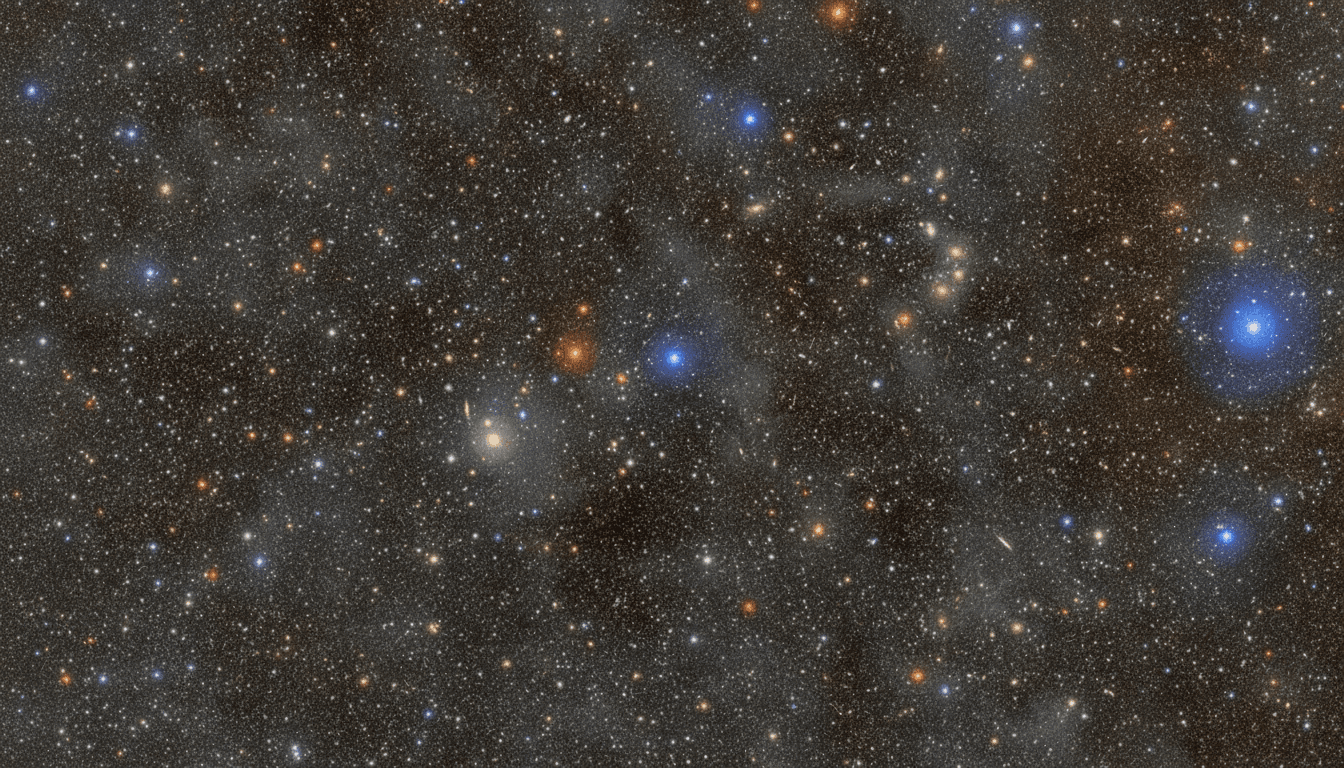
The Vera C. Rubin Observatory has officially commenced its ten-year mission to map the southern sky, leveraging advanced imaging technology to unlock cosmic mysteries.
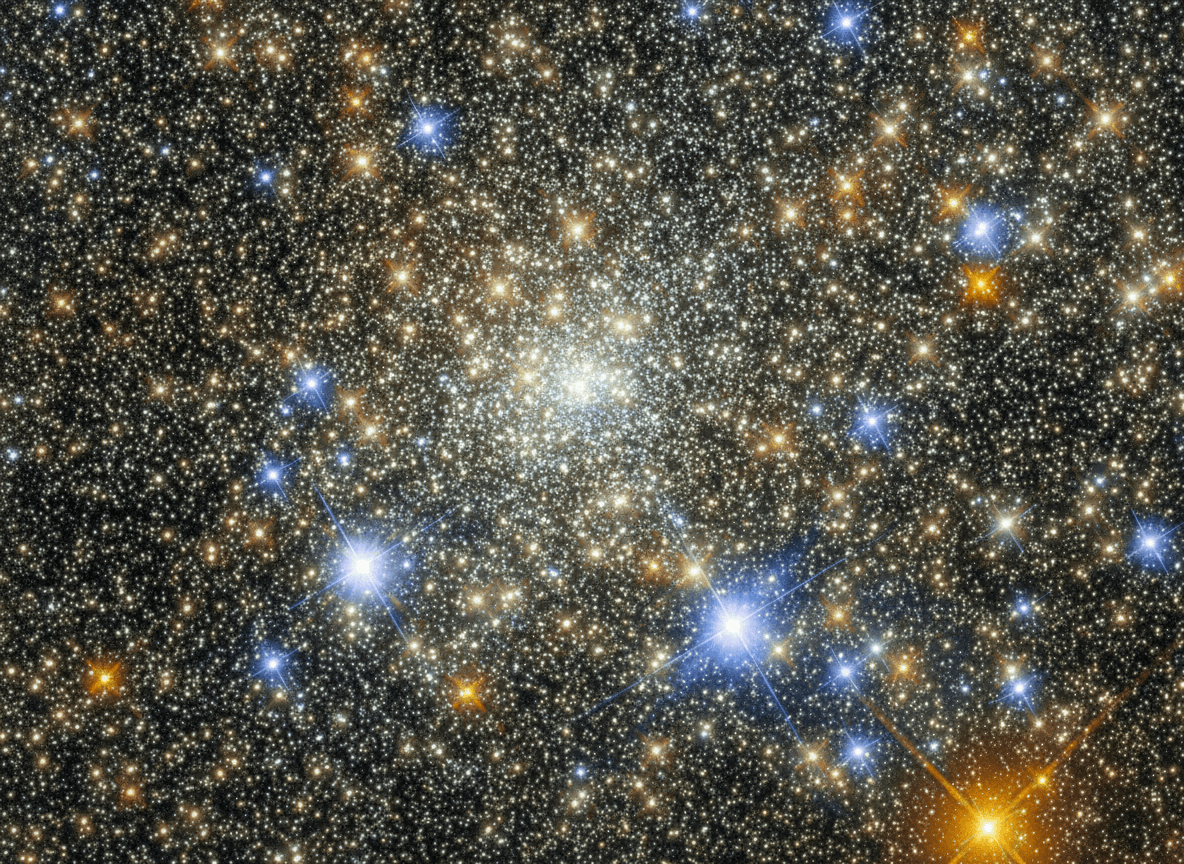
New observations from the James Webb Space Telescope reveal that the system contains four distinct stellar generations, confirming its role as a relic of galactic assembly.
The Vera C. Rubin Observatory has commenced its ten-year Legacy Survey of Space and Time, utilizing the world’s largest digital camera to map the southern sky.
New infrared data from the James Webb Space Telescope suggests a massive star cluster acts as a fossilized remnant of the early galaxy.
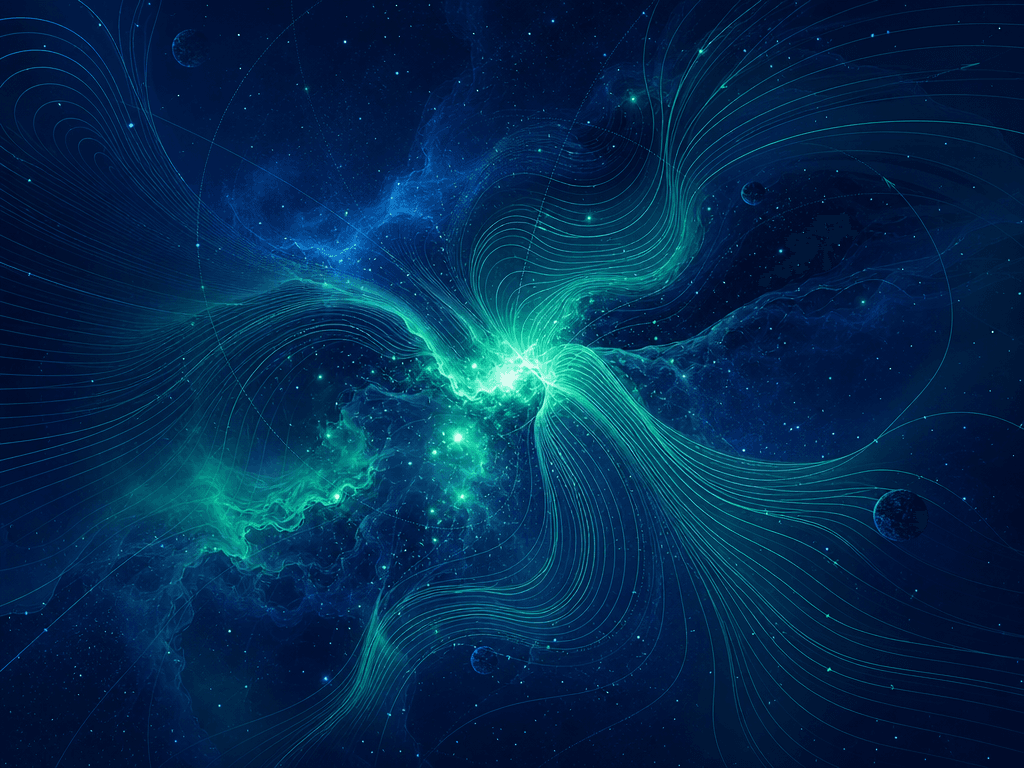
Researchers have mapped the invisible magnetic forces guiding gas into the DR21 stellar nursery, providing new insights into the formation of high-mass stars.
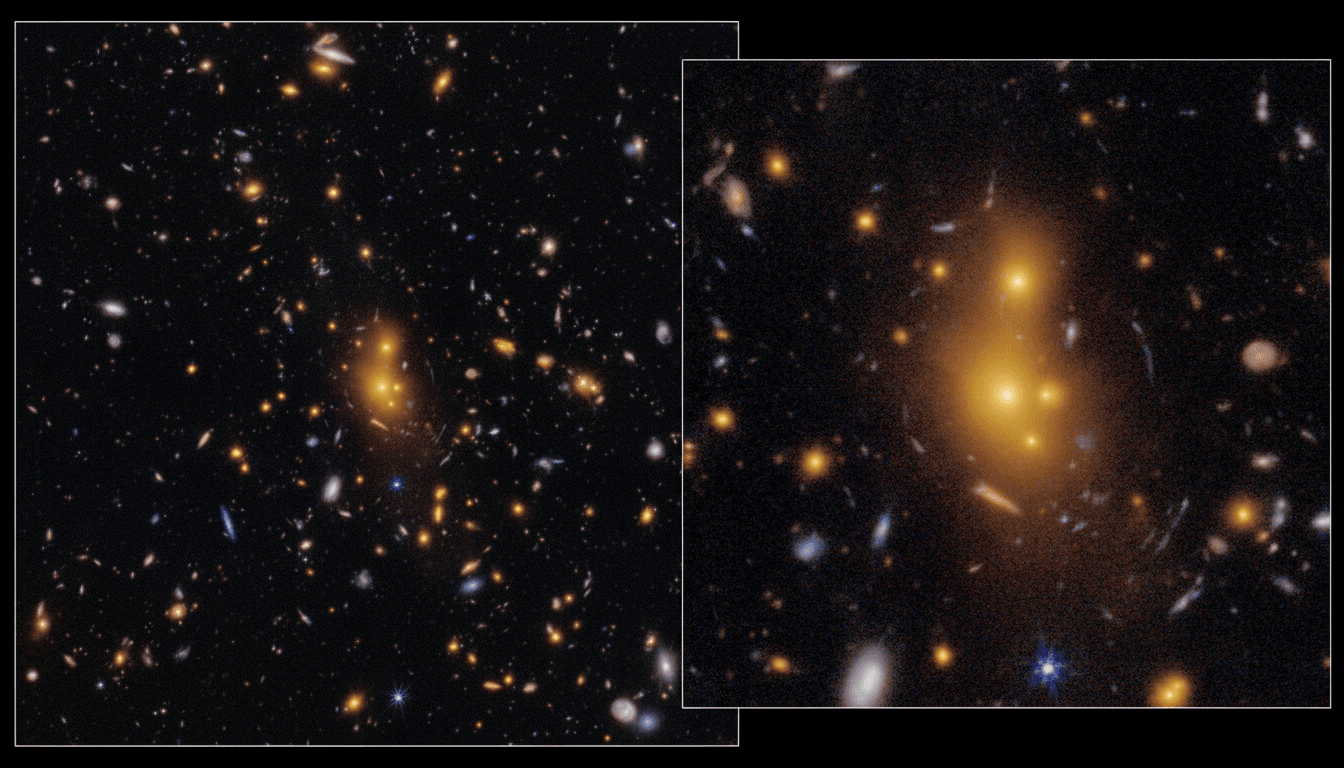
New observations from the James Webb Space Telescope reveal an unexpectedly mature galaxy cluster, forcing a reexamination of how massive structures formed in the early universe.