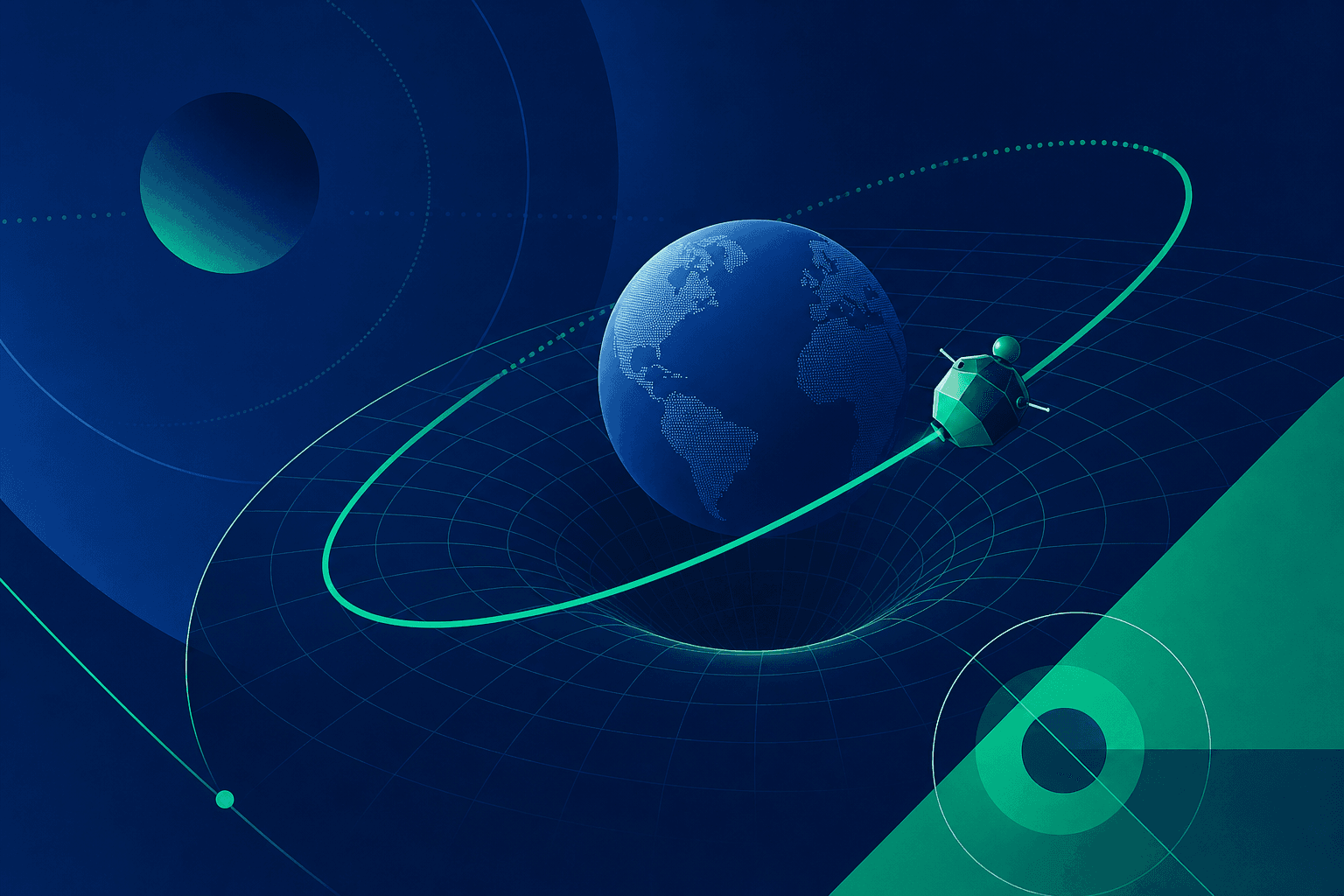
LARES-2 Mission Refines Measurement of Spacetime Frame-Dragging
Researchers have achieved a new level of precision in confirming general relativity by isolating the frame-dragging effect from complex orbital perturbations.
No. 188
Reporting and analysis tagged astrophysics.
Researchers have achieved a new level of precision in confirming general relativity by isolating the frame-dragging effect from complex orbital perturbations.
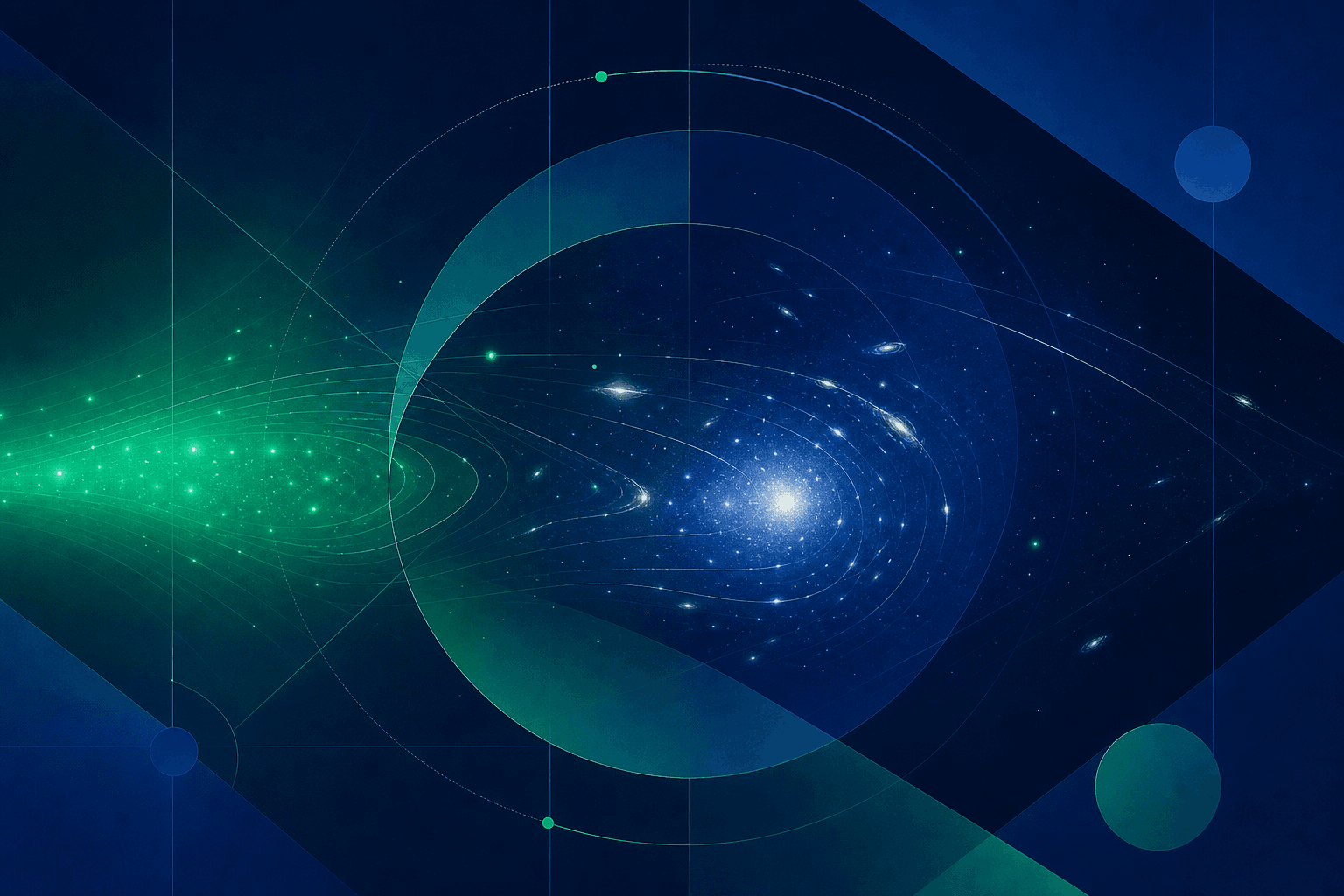
New gravitational lensing data confirms a 10:1 minor merger, aligning observational evidence with long-standing dark matter simulations.
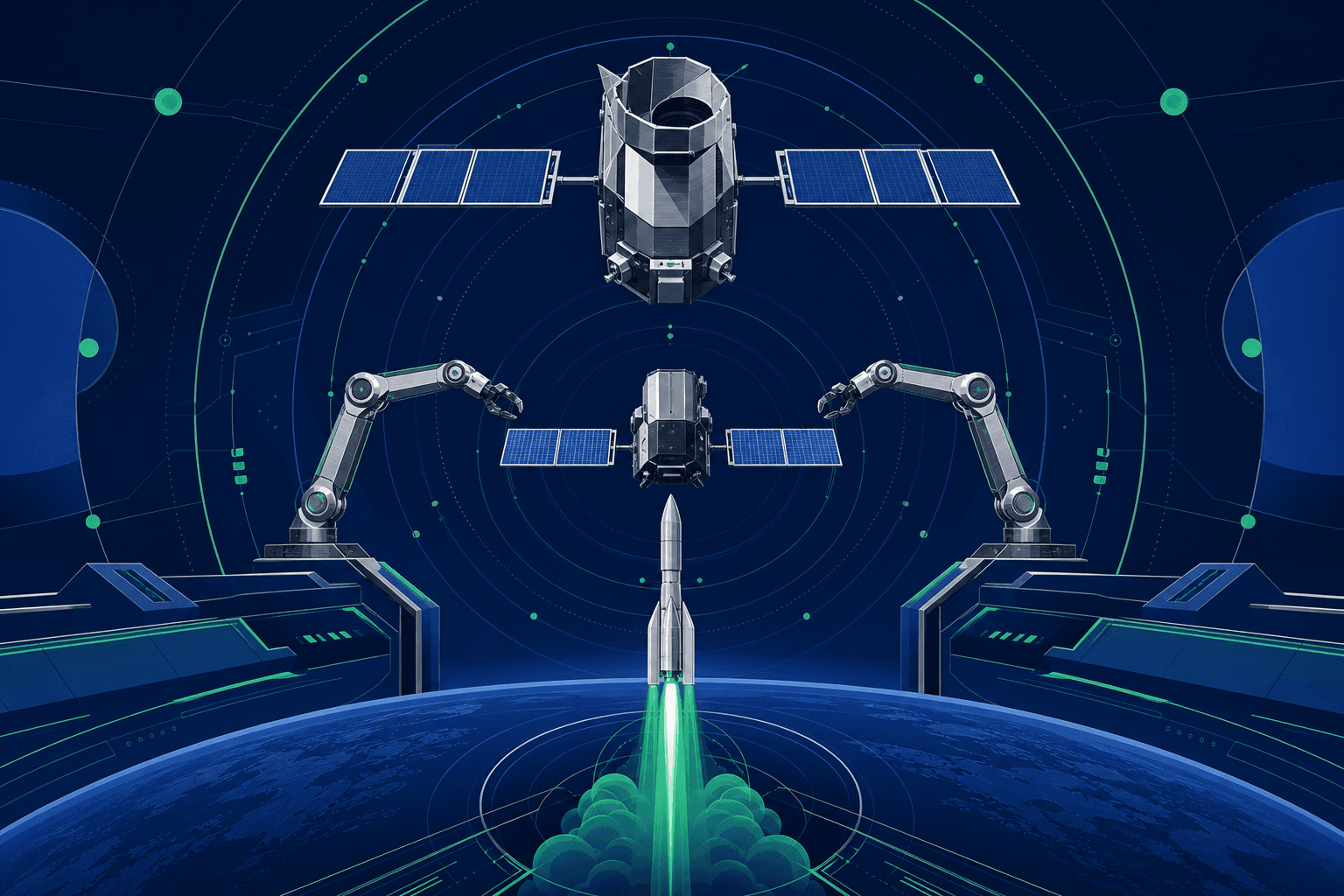
A commercial robotic spacecraft has launched to save NASA’s Swift Observatory from orbital decay, marking a milestone in space maintenance.
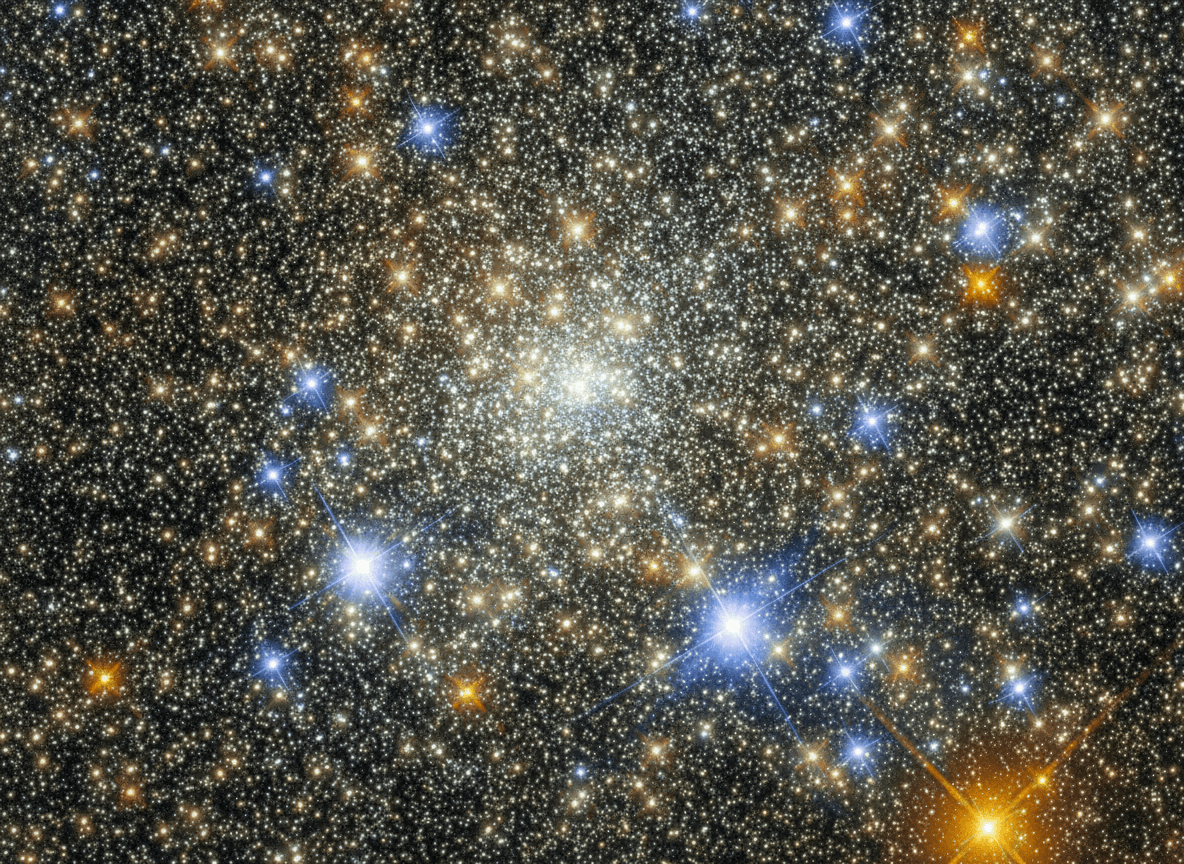
New observations from the James Webb Space Telescope reveal that the system contains four distinct stellar generations, confirming its role as a relic of galactic assembly.
The Vera C. Rubin Observatory has commenced its ten-year Legacy Survey of Space and Time, utilizing the world’s largest digital camera to map the southern sky.

New observational data confirms the presence of spacetime vortices around merging black holes, providing a new method for testing general relativity.
New high-resolution simulations reveal that chaotic gas dynamics in the early universe led to a more diverse range of stellar masses than previously theorized.
A re-evaluation of Type Ia supernova data suggests that cosmic expansion may be decelerating, challenging the existence of dark energy.
Researchers have mapped the invisible magnetic forces guiding gas into the DR21 stellar nursery, providing new insights into the formation of high-mass stars.
A collaborative international team has traced a mysterious, short-lived X-ray flash to a massive stellar explosion, providing new evidence for orphan afterglows.