Primordial Black Holes May Act as Triggers for Type Ia Supernovae
New research suggests that invisible primordial black holes could be responsible for triggering certain white dwarf explosions, leaving distinct chemical signatures in the Milky Way.
Reporting and analysis tagged astrophysics.

New research suggests that invisible primordial black holes could be responsible for triggering certain white dwarf explosions, leaving distinct chemical signatures in the Milky Way.

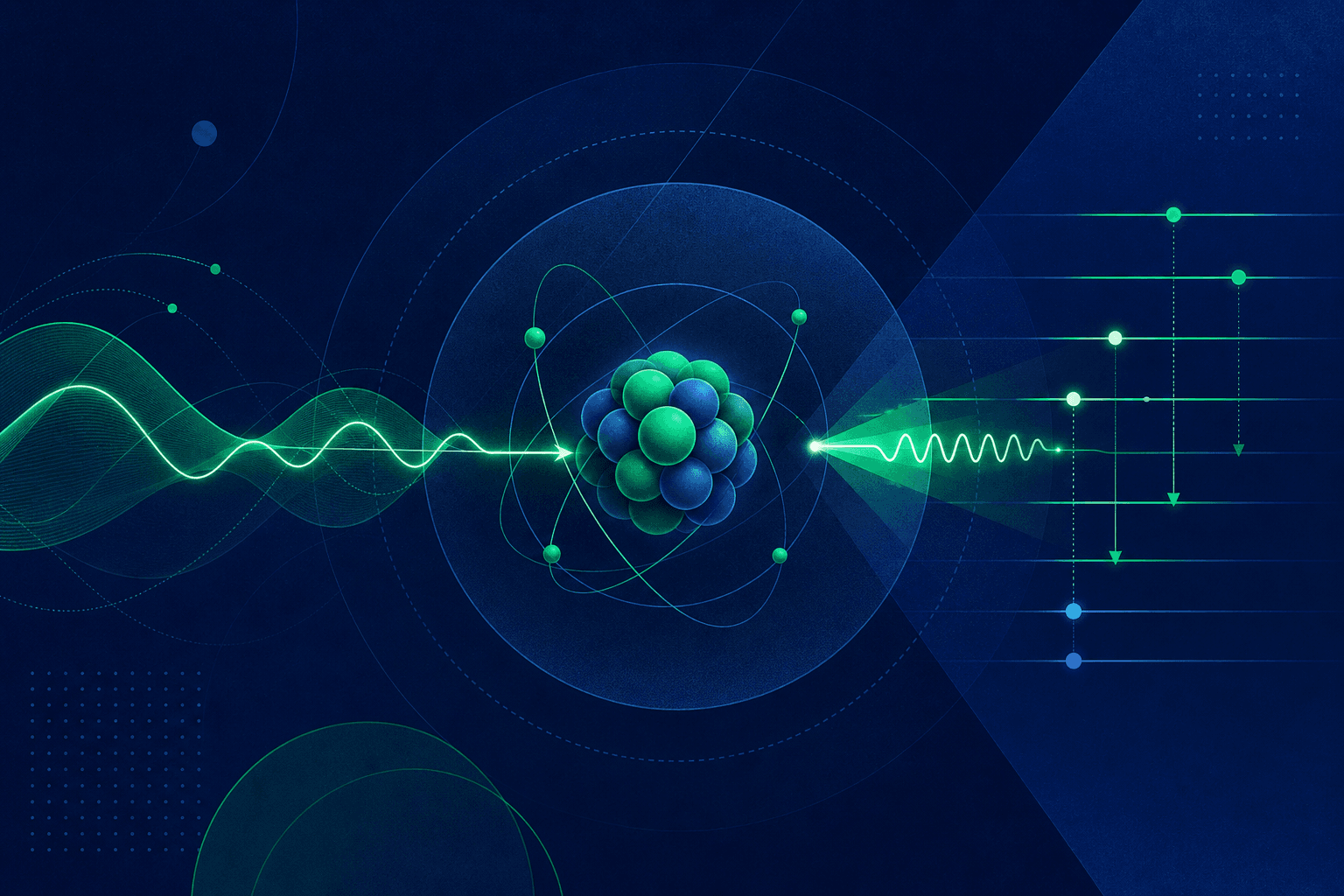
Researchers at the Facility for Rare Isotope Beams have resolved a long-standing mystery regarding gamma-ray emissions in atomic nuclei.

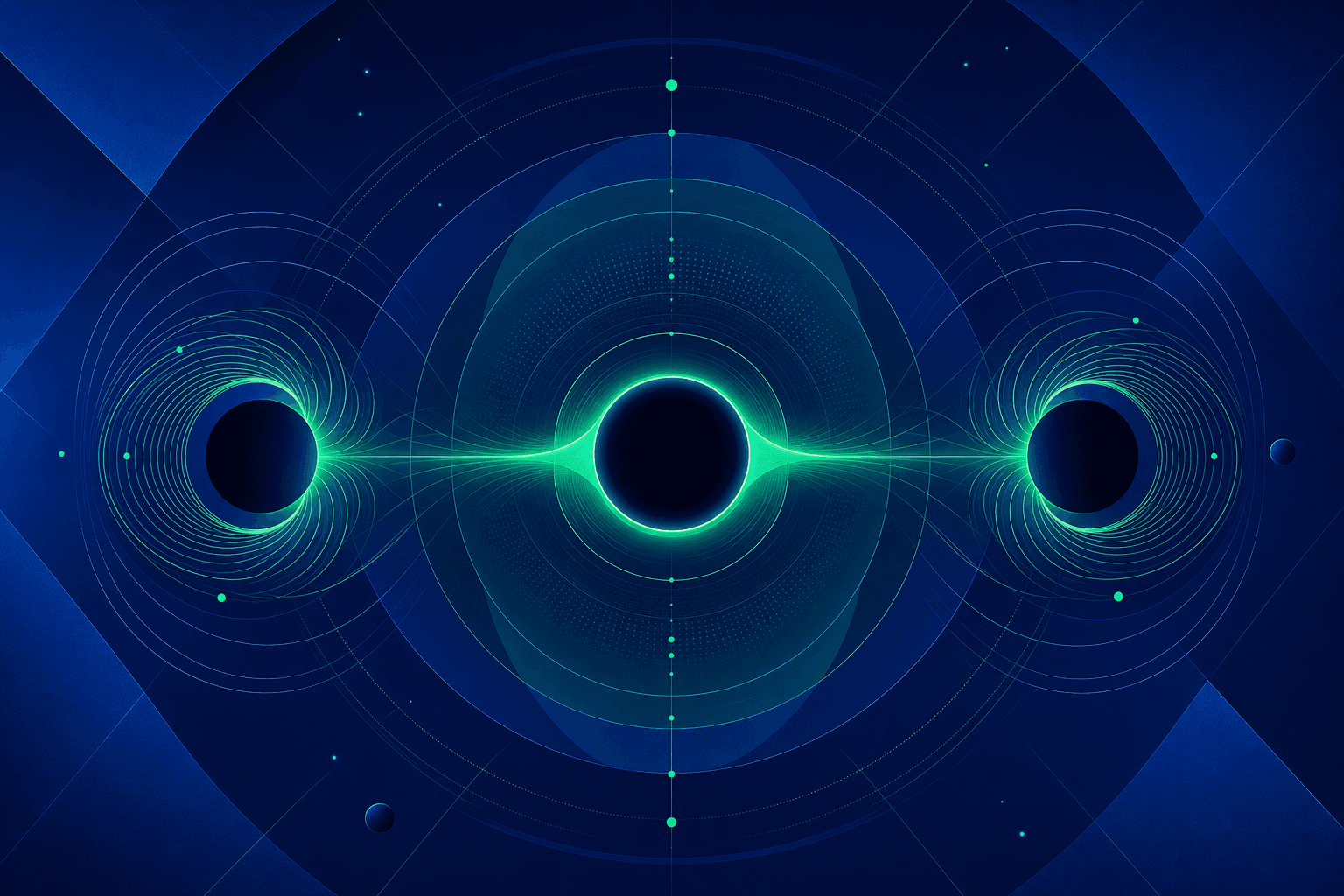
Researchers have identified a maximum entropy rule that accurately forecasts the mass and spin of remnant black holes following cosmic collisions.

New kinematic data from the James Webb Space Telescope confirms the mechanism that sustains active galactic nuclei by funneling cold gas into circumnuclear disks.

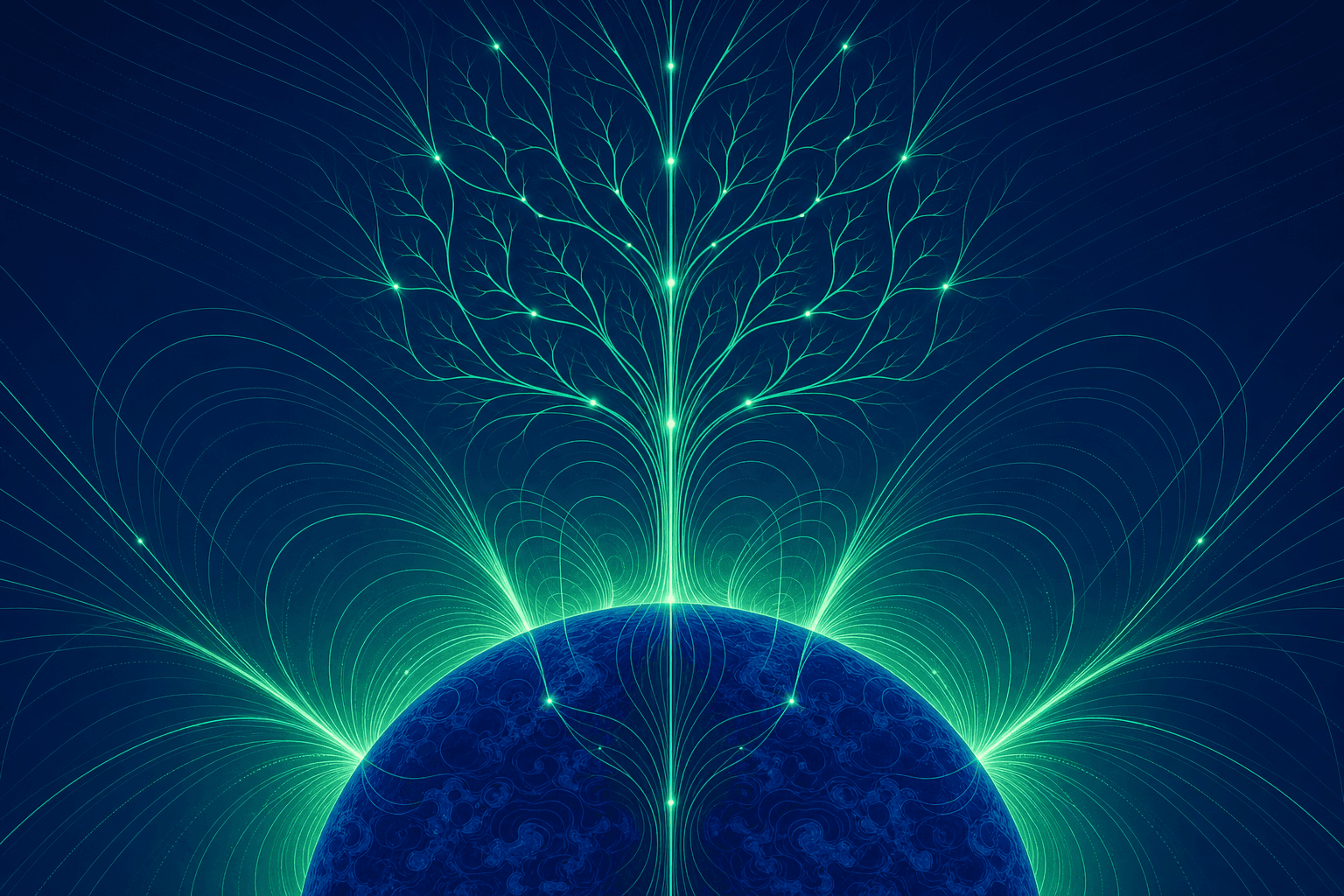
Indian researchers have identified a persistent plasma flow extending into the Sun’s upper chromosphere, confirming the long-theorised magnetic tree model of solar dynamics.

New spectroscopic modeling from Uppsala University resolves a long-standing discrepancy in solar chemistry by identifying significantly higher silver levels.

New research indicates the upcoming observatory will identify tidal disruption events from billions of years ago to resolve long-standing debates over supermassive black hole formation.

New observations of the L1544 prestellar core reveal how neutral gas slips past magnetic fields to initiate gravitational collapse.

Astrophysicists have identified a millenary transient phase in a triple-star system that explains why ancient observers recorded it as one of the brightest stars in the sky.

New radio telescope observations challenge the single-bubble model of stellar formation by identifying multiple distinct feedback events.