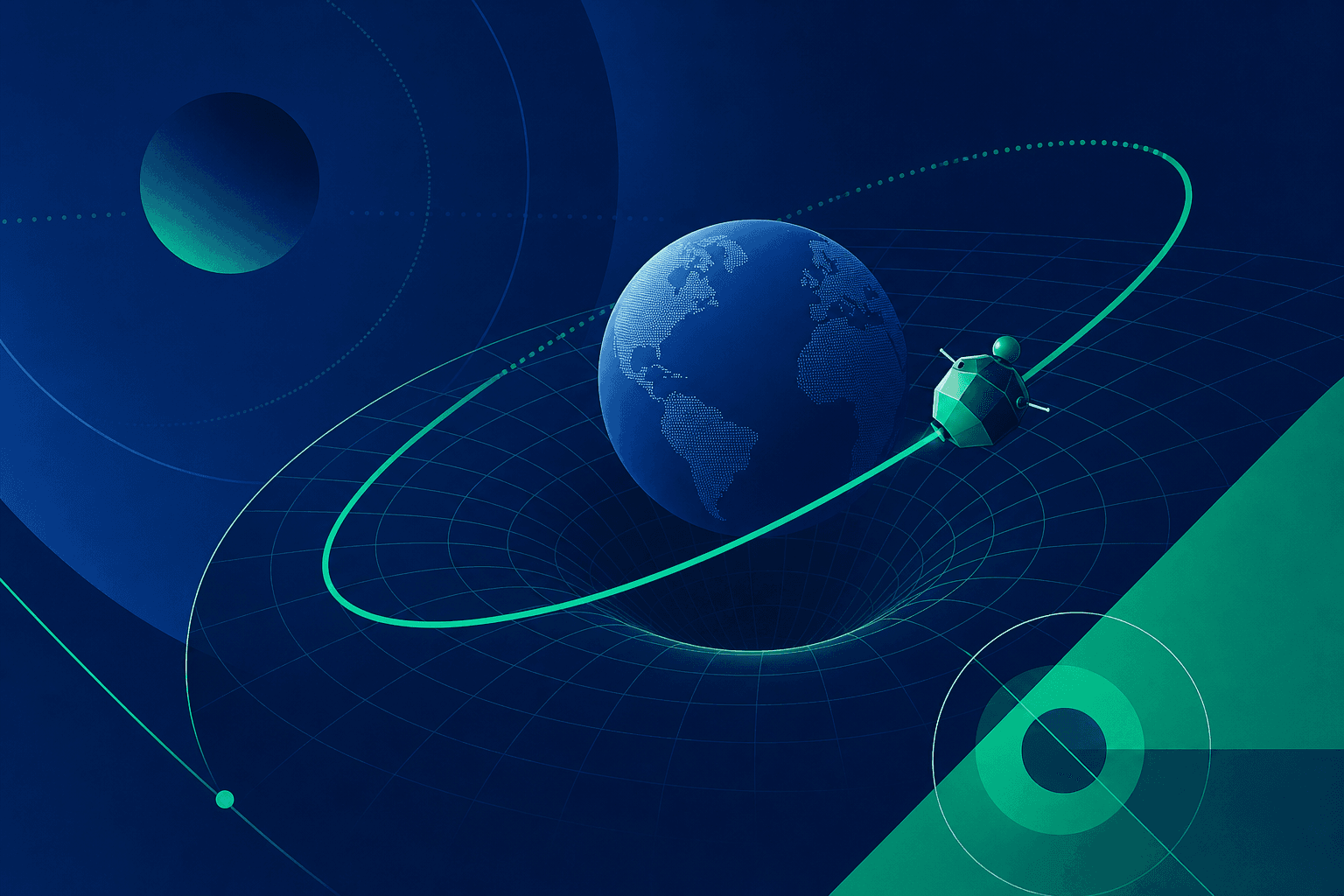
LARES-2 Mission Refines Measurement of Spacetime Frame-Dragging
Researchers have achieved a new level of precision in confirming general relativity by isolating the frame-dragging effect from complex orbital perturbations.
No. 188
From the particle scale to spacetime itself — the experiments testing the limits of the standard model.
Researchers have achieved a new level of precision in confirming general relativity by isolating the frame-dragging effect from complex orbital perturbations.
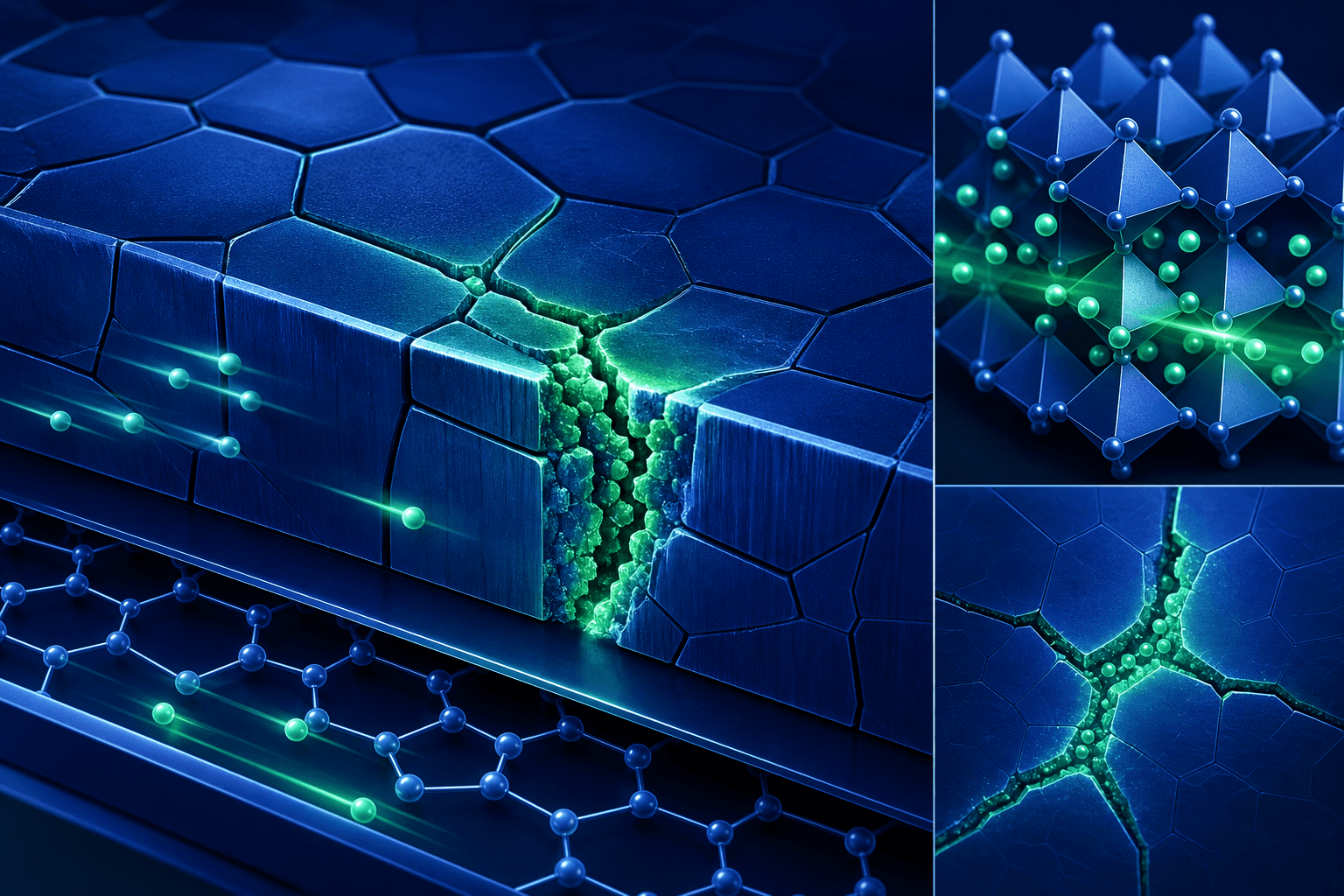
Researchers have uncovered how localized electrical imbalances at grain boundaries trigger dendrite formation, offering a pathway to safer and faster-charging batteries.

New physical analysis reveals that the swirling patterns in Van Gogh’s masterpiece align with the mathematical laws of turbulence.
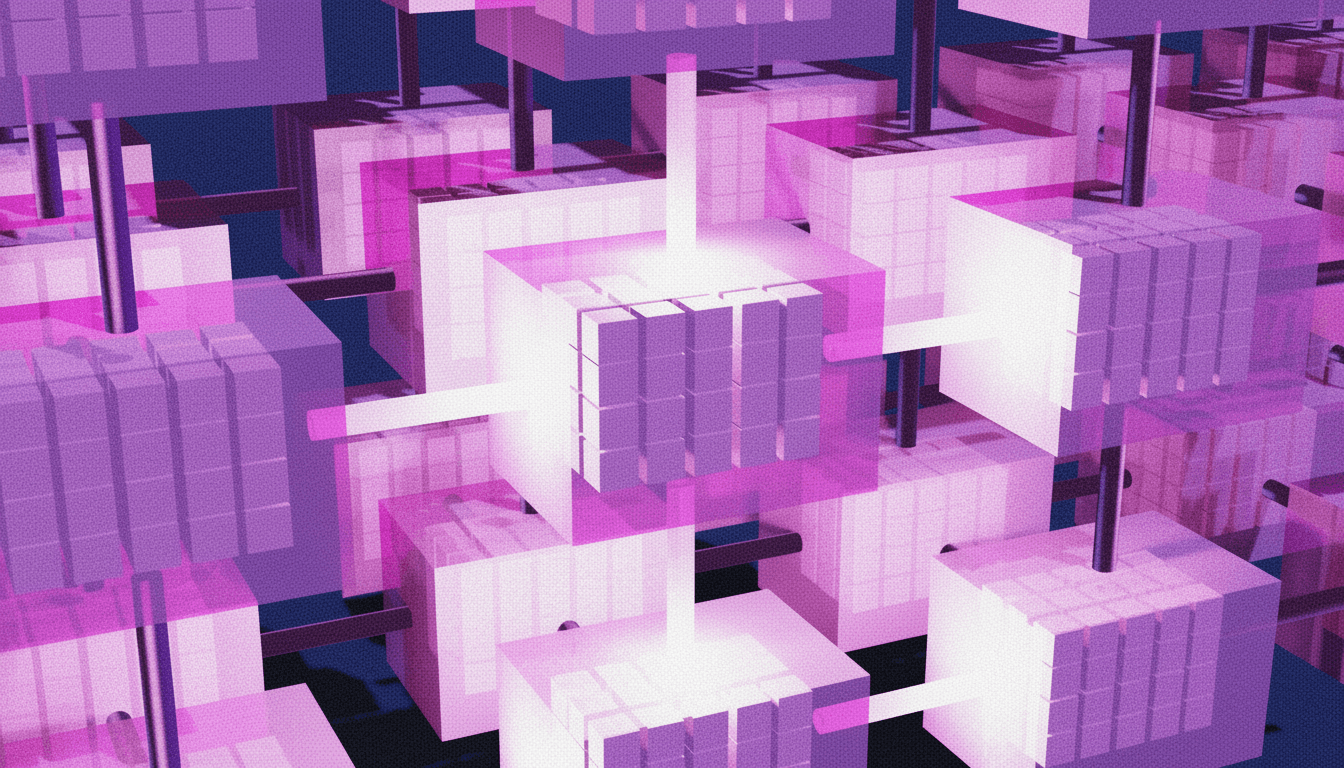
Researchers demonstrate that advanced tensor network techniques allow classical laptops to solve complex quantum problems previously reserved for quantum computers.
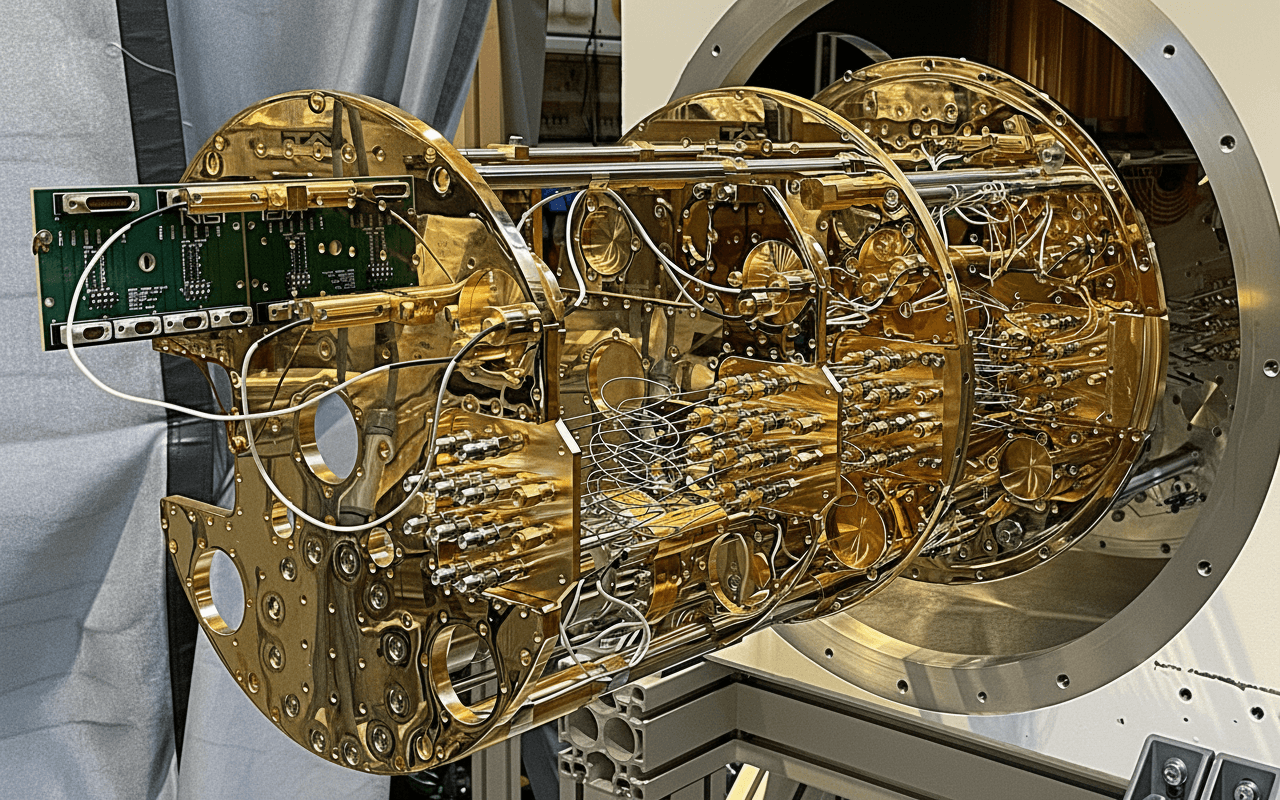
The installation of Europe’s first Transition Edge Sensor spectrometer at BESSY II enables high-sensitivity analysis of atomic-scale materials and dilute molecular systems.
New observational data confirms the presence of spacetime vortices around merging black holes, providing a new method for testing general relativity.

Researchers have developed a modified silk fabric that reflects nearly 95% of sunlight to lower skin temperatures without synthetic polymers.
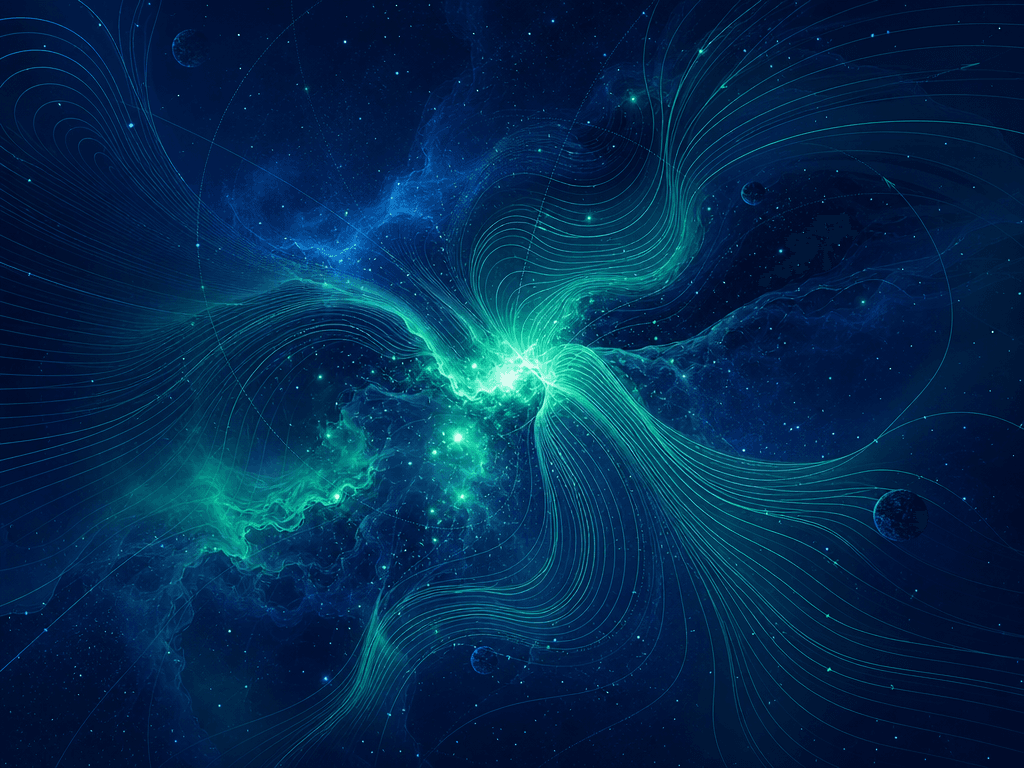
Researchers have mapped the invisible magnetic forces guiding gas into the DR21 stellar nursery, providing new insights into the formation of high-mass stars.
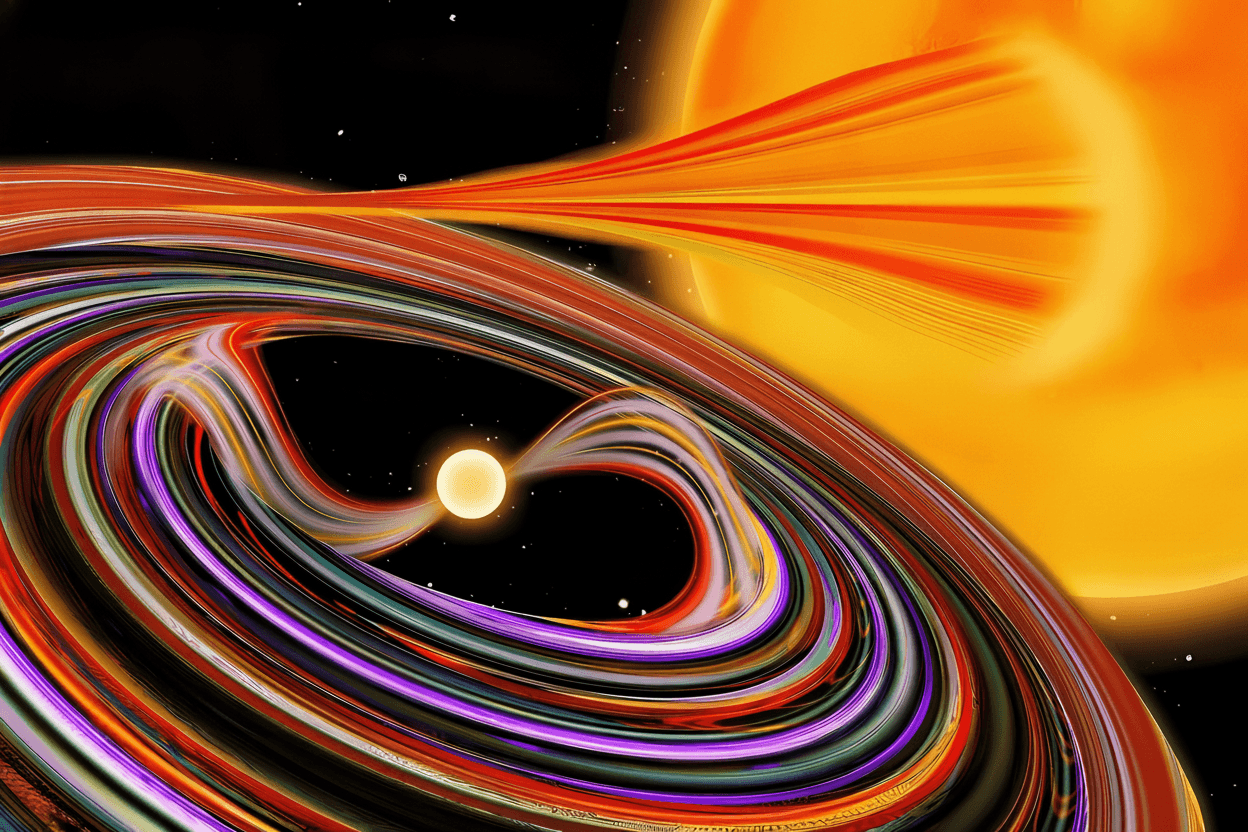
New supercomputer simulations reveal how interstellar magnetic fields strip rotational energy from protostars, explaining the compact orbits observed in binary systems.
The Institute for Artificial Intelligence and Fundamental Interactions enters a second phase of operations with increased federal support and a focus on cross-disciplinary discovery.