A collaborative team of researchers from Ireland and Italy will conduct an airborne observation of a total solar eclipse on Wednesday, August 12th, to investigate the thermal anomalies of the solar corona. According to details reported by breakingnews.ie, the mission aims to resolve long-standing questions regarding the Sun’s atmospheric heating mechanisms.
The mission involves mounting the E-CorMag telescope, an instrument developed by the Italian National Institute for Astrophysics, onto an Irish Air Corps Airbus C295 aircraft. This specialized equipment will be positioned to capture data as the Moon obscures the solar disc approximately 350km west of the Irish coastline.
The primary objective of this expedition is to analyze the Sun’s magnetic field and its influence on the outer atmosphere. While the solar surface maintains a temperature of roughly 5,500 degrees Celsius, the corona reaches temperatures exceeding two million degrees Celsius. This temperature inversion remains one of the most significant unresolved problems in solar physics.
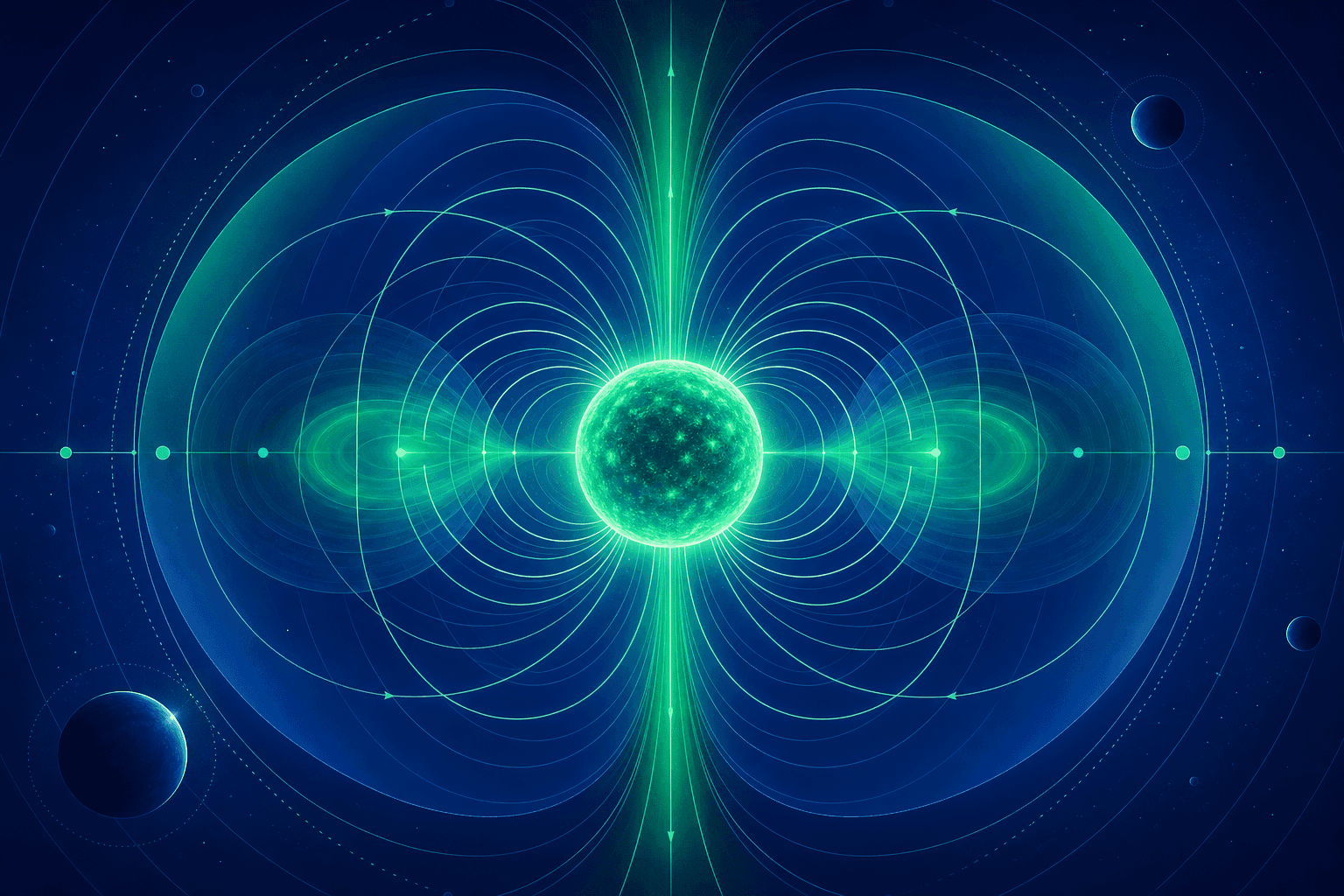
The E-CorMag telescope is specifically engineered to measure the magnetic field structures within the corona using advanced polarimetric techniques. These fields are theorized to act as the primary mechanism for energy release and atmospheric heating through a process known as magnetic reconnection. By isolating the corona during the brief window of totality, the instrument can record data that is otherwise obscured by the intense brightness of the photosphere.
Operational logistics for the flight include opening a dedicated bubble window on the Airbus C295 to ensure an unobstructed line of sight. This configuration bypasses the optical distortions inherent in standard aircraft glass, which would otherwise compromise high-resolution imaging. The mobility of the aircraft provides a distinct advantage over ground-based observatories by allowing the team to track the path of totality while mitigating the risk of localized cloud cover.
The scientific community has long sought to understand the mechanisms that drive the corona’s extreme heat. Current models suggest that magnetic reconnection and wave heating are potential drivers, yet empirical evidence remains difficult to collect. This mission represents a strategic effort to obtain high-fidelity measurements of the magnetic environment during a transient event.
By utilizing an airborne platform, the researchers can extend the duration of their observations beyond what is possible from a static ground location. This increased exposure time is critical for capturing the subtle variations in magnetic field intensity. The data gathered during this flight will be instrumental in refining existing models of solar atmospheric dynamics.
The success of this mission rests on the precision of the E-CorMag instrument and the coordination between the Italian National Institute for Astrophysics and the Irish Air Corps. The flight path has been calculated to maximize the duration of the eclipse, providing the team with the best possible conditions for data acquisition. This effort underscores the importance of interdisciplinary cooperation in addressing fundamental questions about our nearest star.
The broader implications of this research extend to our understanding of space weather, which can significantly impact satellite communications and power grids on Earth. By mapping the magnetic field lines, scientists hope to predict how energy is released from the corona into the solar system. This mission serves as a critical test for the E-CorMag technology in a real-world, high-altitude environment.
Future analysis of the collected data will focus on mapping the magnetic field lines to determine their role in coronal heating. The findings are expected to provide new insights into the processes that govern space weather and its potential impact on Earth’s technological infrastructure. The scientific team will continue to monitor meteorological conditions as the date of the eclipse approaches to ensure the flight path remains optimal for their research objectives.