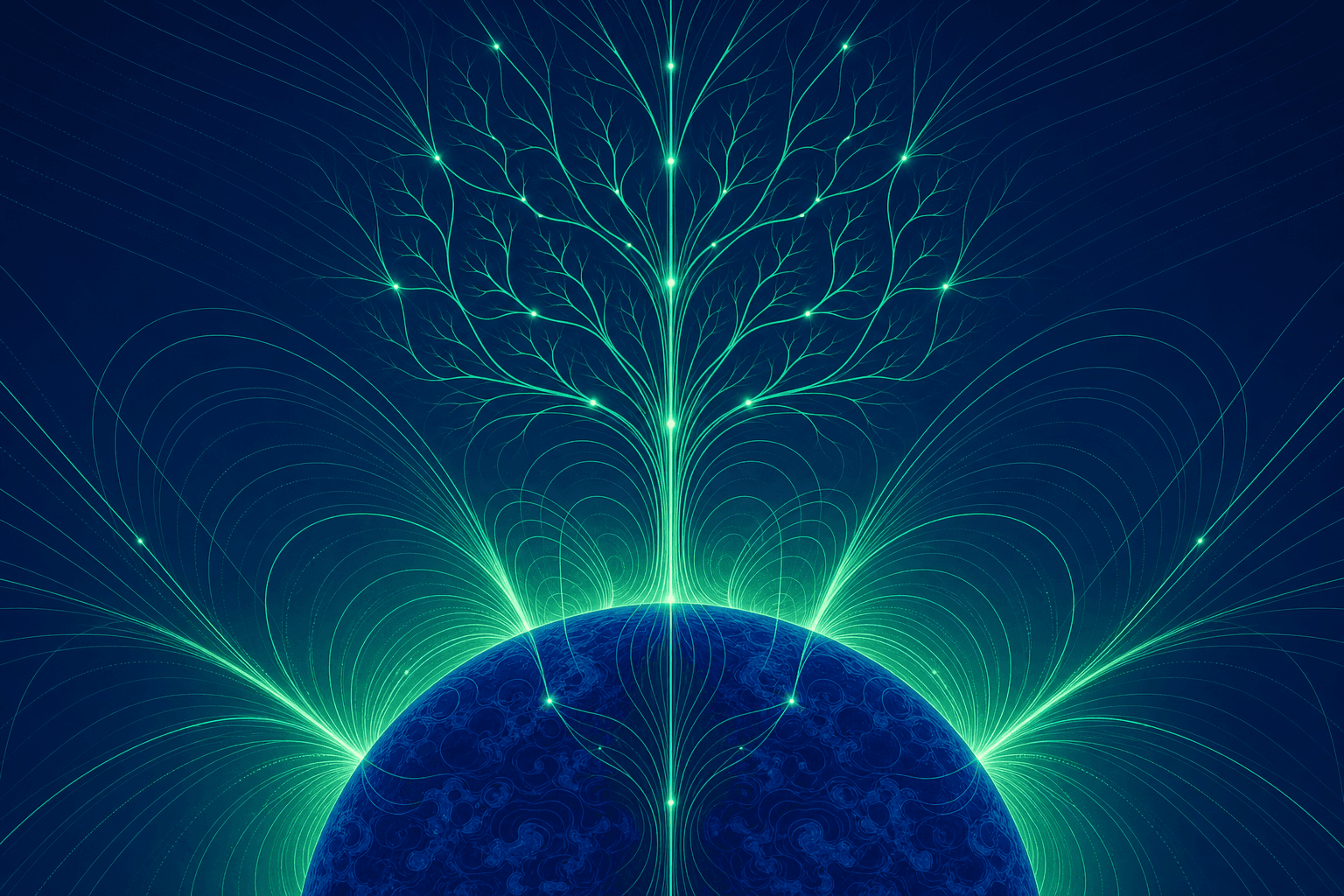
Solar magnetic trees reveal hidden plasma highways in the sun
Indian researchers have identified a persistent plasma flow extending into the Sun’s upper chromosphere, confirming the long-theorised magnetic tree model of solar dynamics.
No. 198
Indian researchers have identified a persistent plasma flow extending into the Sun’s upper chromosphere, confirming the long-theorised magnetic tree model of solar dynamics.
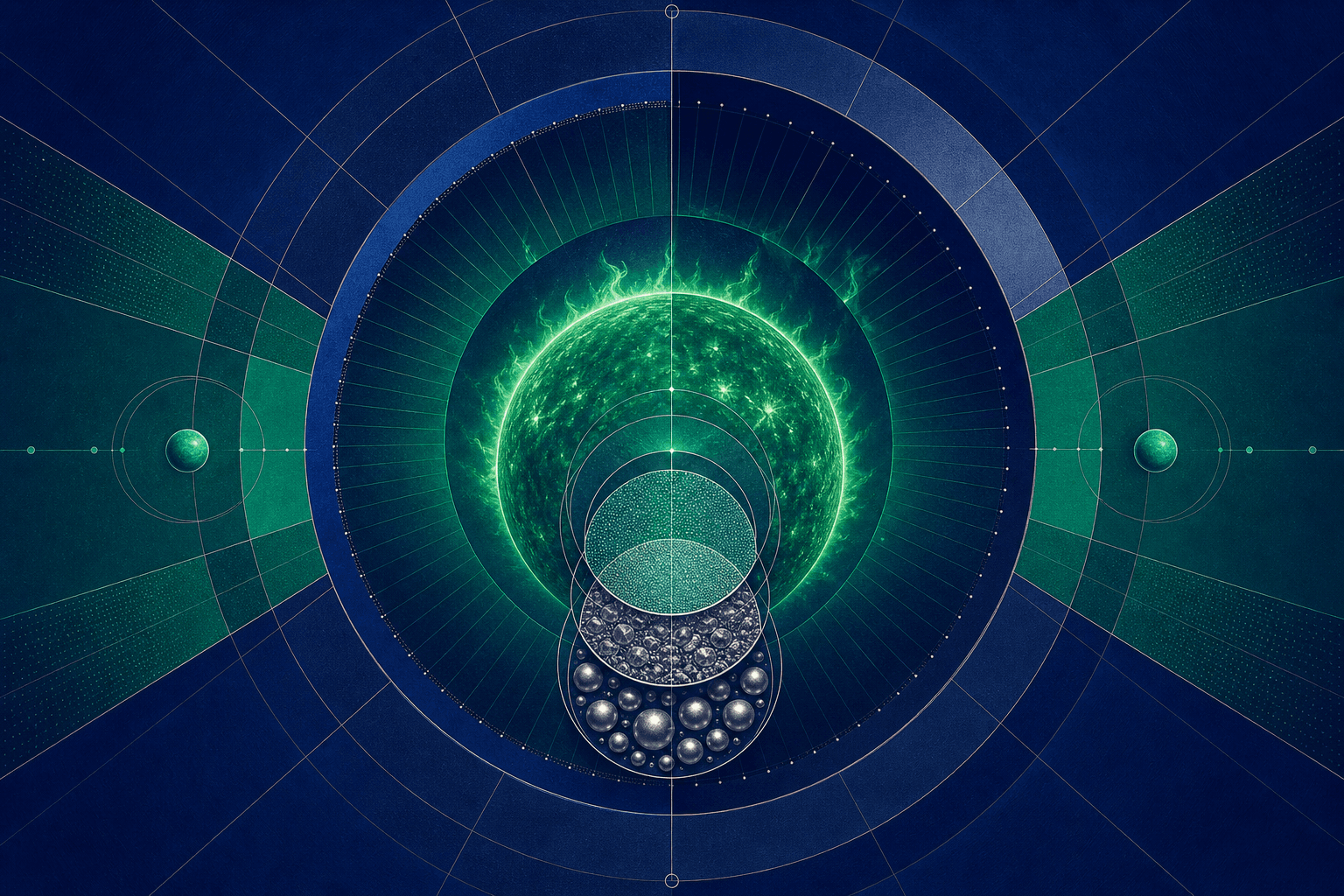
New spectroscopic modeling from Uppsala University resolves a long-standing discrepancy in solar chemistry by identifying significantly higher silver levels.

New research indicates the upcoming observatory will identify tidal disruption events from billions of years ago to resolve long-standing debates over supermassive black hole formation.
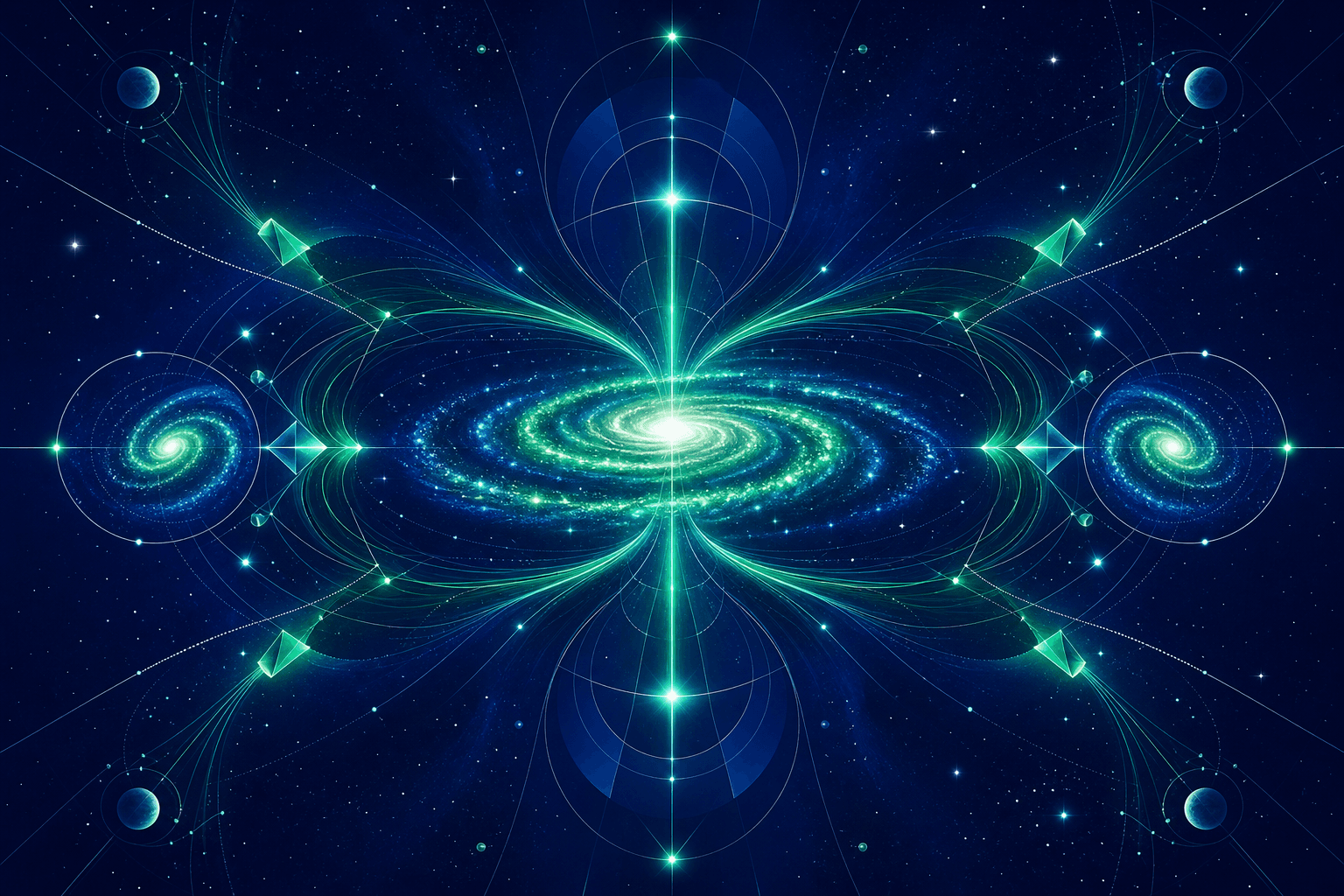
New observations reveal that early galaxies utilized organized structures to channel cold gas, challenging long-held theories about chaotic star formation.
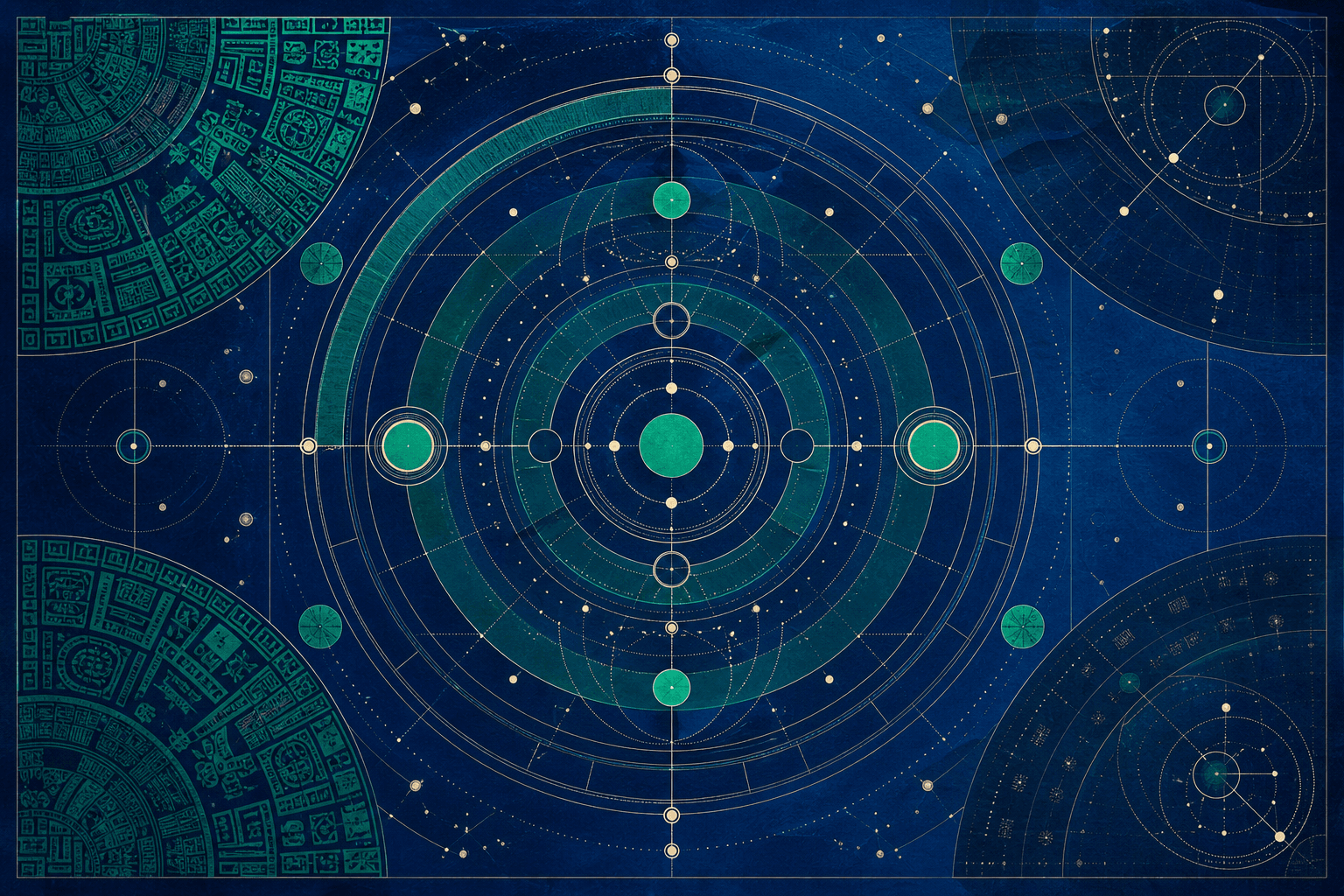
Archaeologists have identified the name of a Maya astronomer linked to a complex astronomical formula, providing new evidence of a structured scientific tradition.
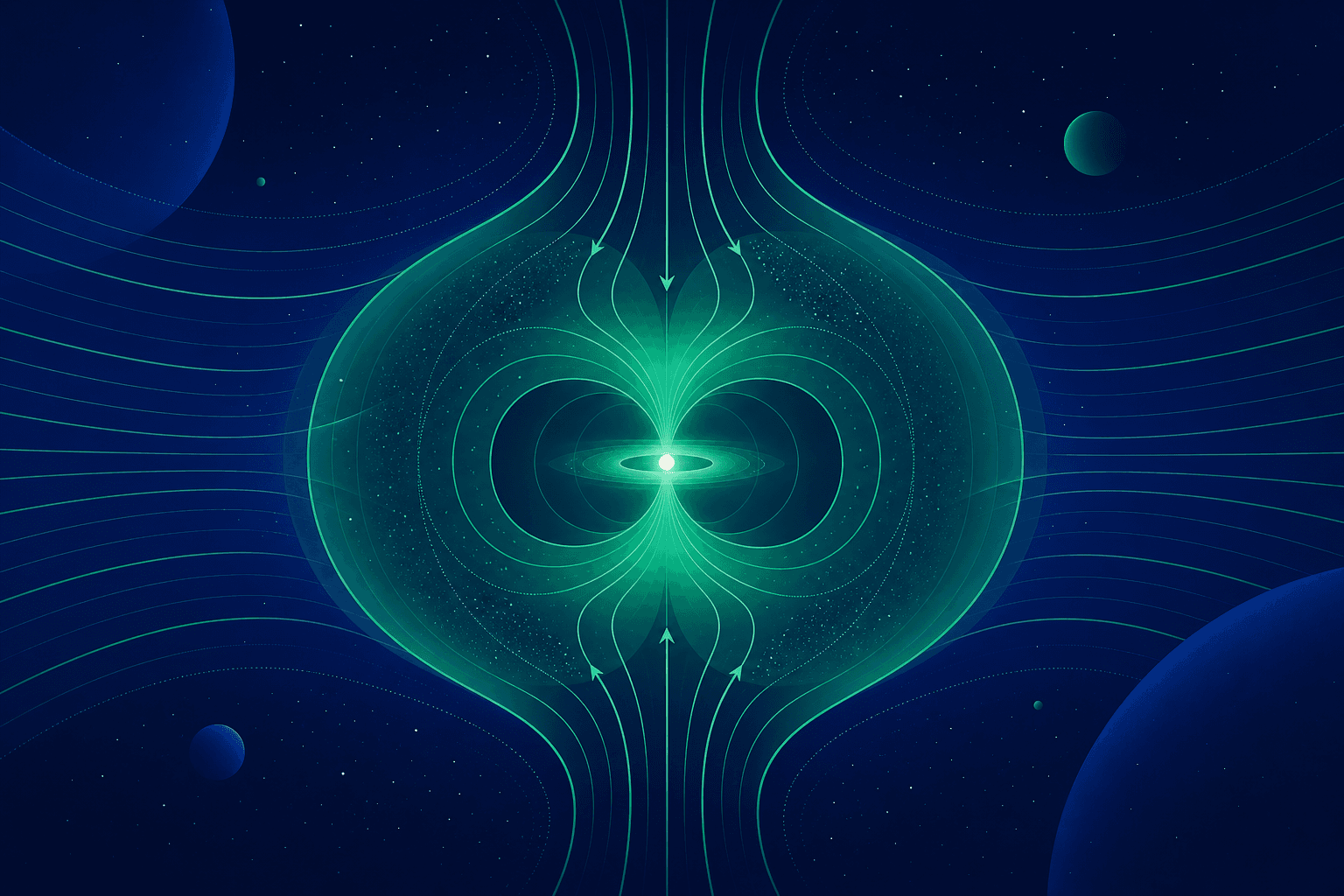
New observations of the L1544 prestellar core reveal how neutral gas slips past magnetic fields to initiate gravitational collapse.
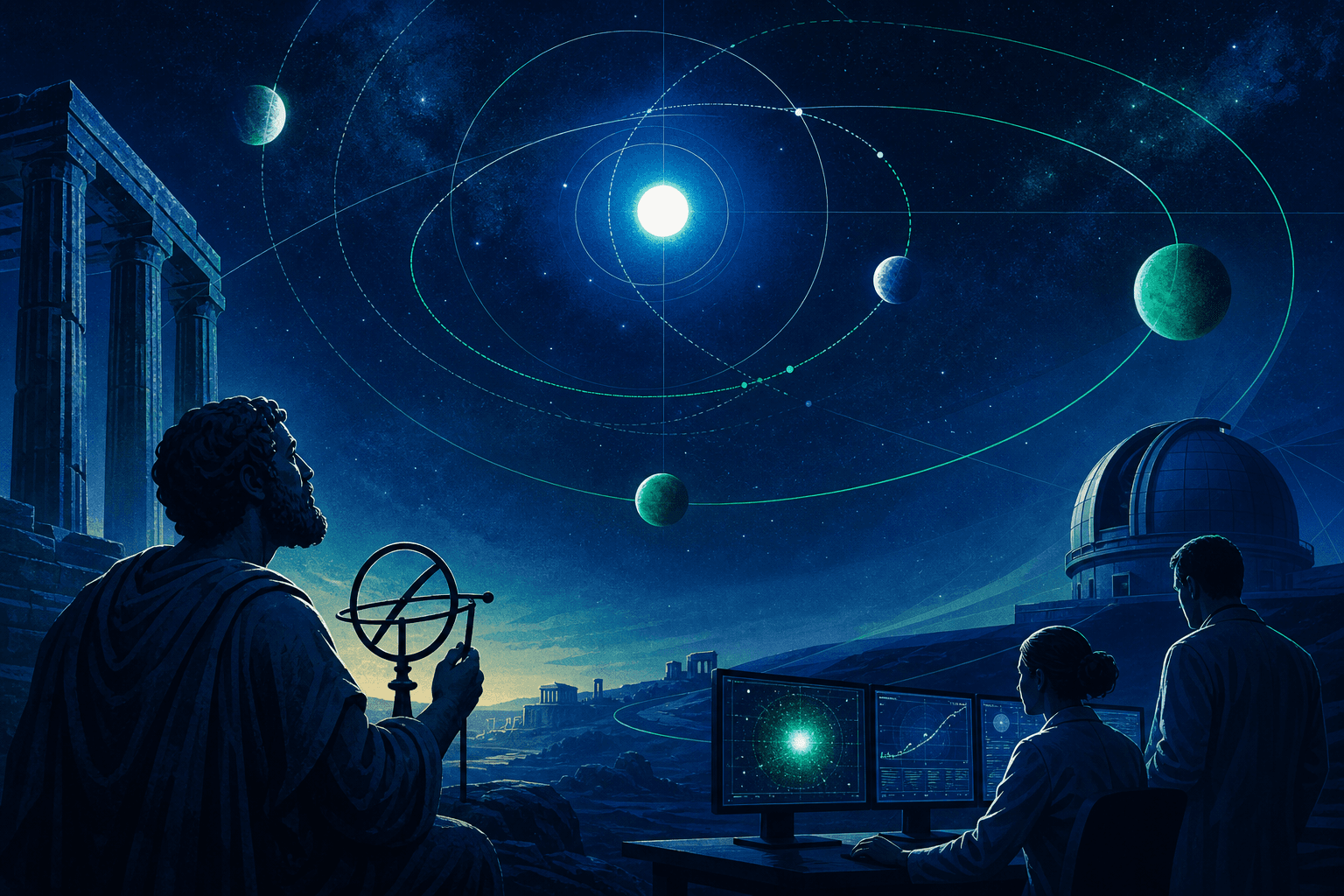
Astrophysicists have identified a millenary transient phase in a triple-star system that explains why ancient observers recorded it as one of the brightest stars in the sky.
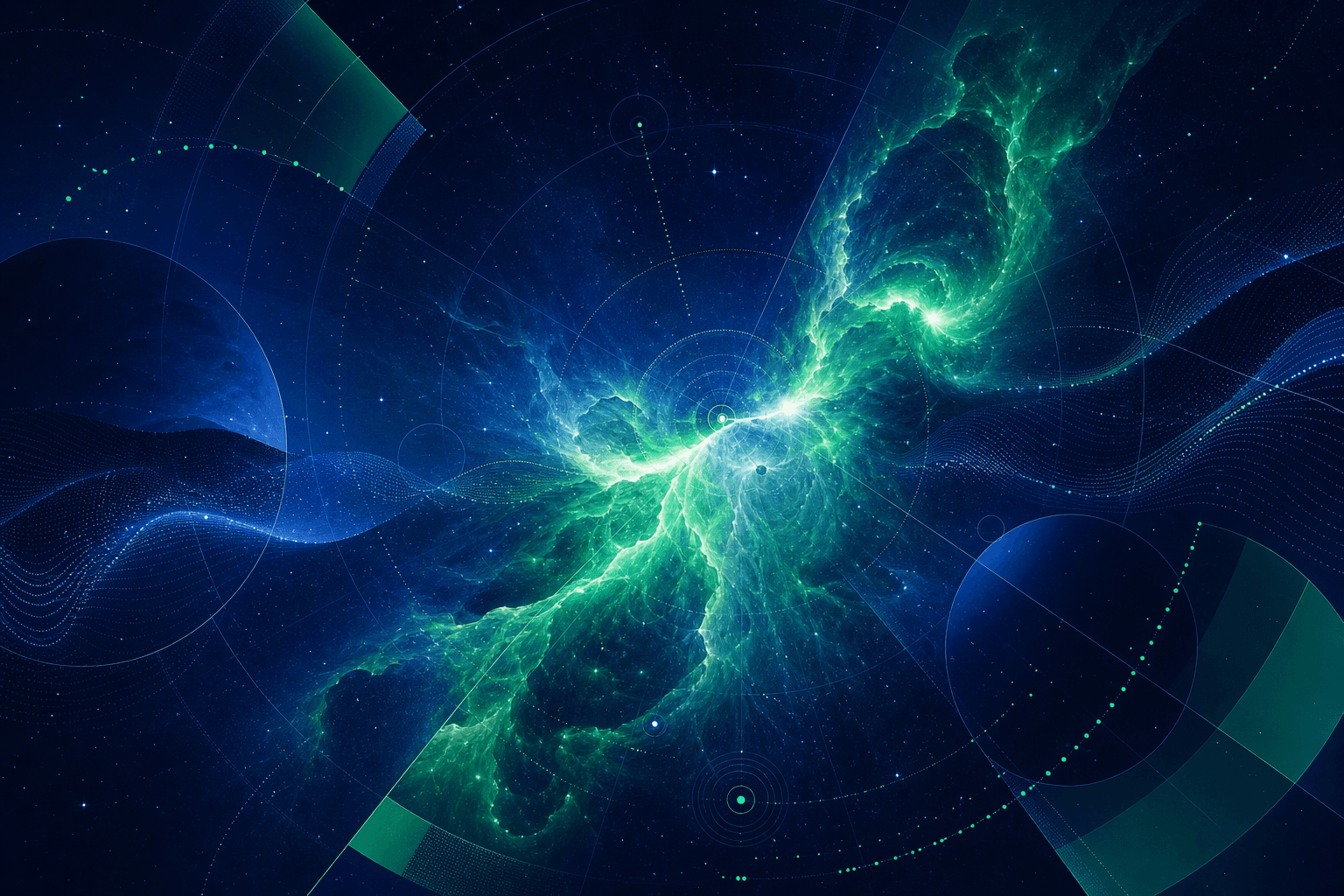
New radio telescope observations challenge the single-bubble model of stellar formation by identifying multiple distinct feedback events.
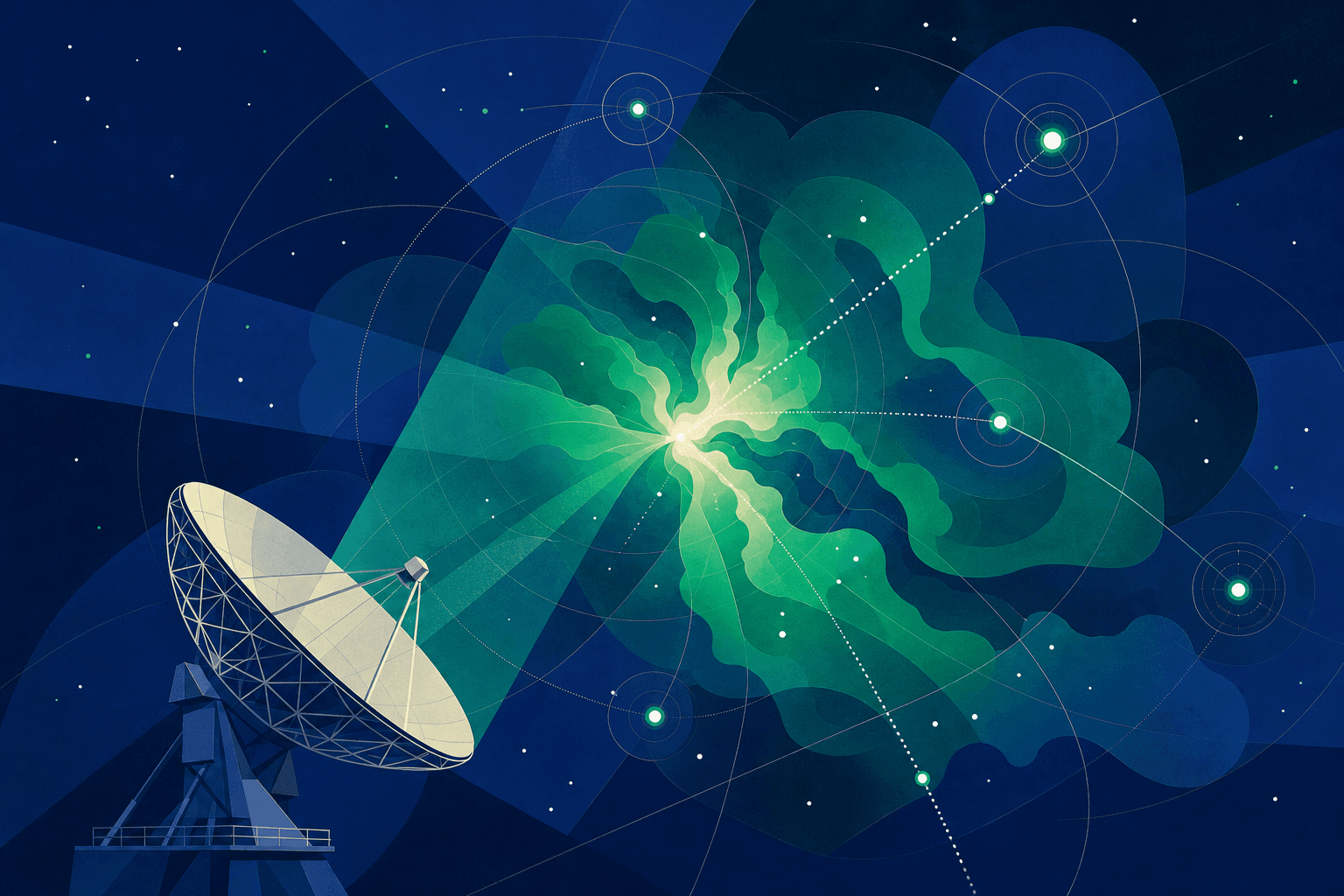
New high-resolution radio observations indicate that the Orion Nebula was shaped by multiple episodes of stellar feedback rather than a single expansion event.

Researchers have achieved a new level of precision in confirming general relativity by isolating the frame-dragging effect from complex orbital perturbations.