NSF renews funding for MIT-led AI and physics research institute
The Institute for Artificial Intelligence and Fundamental Interactions enters a second phase of operations with increased federal support and a focus on cross-disciplinary discovery.
Investigating the architectural integrity of the digital frontier and the economics of emerging computation.

The Institute for Artificial Intelligence and Fundamental Interactions enters a second phase of operations with increased federal support and a focus on cross-disciplinary discovery.

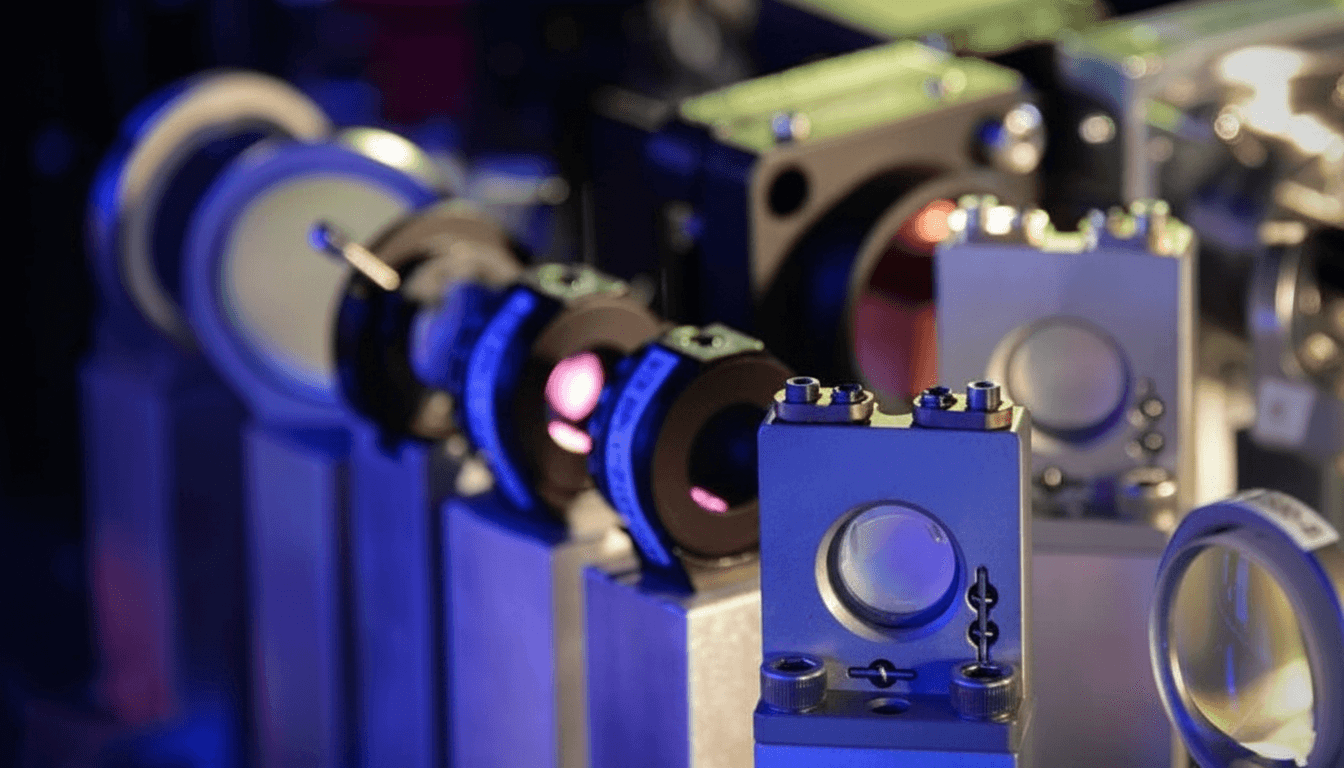
Researchers have demonstrated that neutral-atom quantum computers can perform sustained error correction, closing the performance gap with superconducting alternatives.

The acquisition brings specialized researchers into Meta Superintelligence Labs to build underlying software and sensor frameworks for the broader robotics industry. The strategic move positions the company against competitors like Tesla and Google in the race to establish a universal operating stan
The machine learning system relies on validated experimental data to reverse-engineer bio-based packaging for the food and medical sectors.
The State Grid Corporation of China is investing 6.8 billion yuan to integrate autonomous diagnostic machines across its electricity network by 2026. The massive deployment aims to improve safety and operational efficiency while accelerating domestic artificial intelligence capabilities.
A new hierarchical framework replaces blended cost functions with ranked priorities, allowing self-driving vehicles and drones to make defensible decisions during unavoidable emergencies.

The soaring energy needs of artificial intelligence are overwhelming existing infrastructure, propelling compact nuclear microreactors forward as the direct, on-site solution to bypass critical grid delays.

Facing AI’s escalating energy demands, NVIDIA is partnering with Oklo to build nuclear-powered data centers, while also leveraging its AI to accelerate vital nuclear fuel research.

Meta’s multi-billion dollar commitment to AWS Graviton CPUs signals a profound, risky shift in its AI infrastructure, embracing a hybrid model to power advanced agentic AI.

The successful extraction of a cryptographic private key on cloud-accessible quantum processors validates the accelerating hardware threat to decentralized networks. Researchers warn that dropping physical qubit requirements add urgency to post-quantum migration strategies.